続・研究する人々

◁
◂
勉強
◂
◁
第一話
英語
Sequel: Researchers
分析
続
・
研究
する
人々
続
書き方:続
読み方:ぞく
noun
prefix
1.
sequel; second series
oft. used in book titles
研究
書き方:研究
読み方:けんきゅう
noun
suru-verb
1.
study; research; investigation
する
書き方:為る
読み方:する
活用形:plain non-past
included-suru-verb
usually-kana
1.
to do; to carry out; to perform
included-suru-verb
usually-kana
2.
to cause to become; to make (into); to turn (into)
included-suru-verb
usually-kana
3.
to serve as; to act as; to work as
included-suru-verb
usually-kana
4.
to wear (clothes, a facial expression, etc.)
included-suru-verb
usually-kana
5.
to judge as being; to view as being; to think of as; to treat as; to use as
as 〜にする,〜とする
included-suru-verb
usually-kana
6.
to decide on; to choose
as 〜にする
included-suru-verb
intransitive-verb
usually-kana
7.
to be sensed (of a smell, noise, etc.)
as 〜がする
included-suru-verb
intransitive-verb
usually-kana
8.
to be (in a state, condition, etc.)
included-suru-verb
intransitive-verb
usually-kana
9.
to be worth; to cost
included-suru-verb
intransitive-verb
usually-kana
10.
to pass (of time); to elapse
included-suru-verb
transitive-verb
usually-kana
11.
to place, or raise, person A to a post or status B
as AをBにする
included-suru-verb
transitive-verb
usually-kana
12.
to transform A to B; to make A into B; to exchange A for B
as AをBにする
included-suru-verb
transitive-verb
usually-kana
13.
to make use of A for B; to view A as B; to handle A as if it were B
as AをBにする
included-suru-verb
transitive-verb
usually-kana
14.
to feel A about B
as AをBにする
suffix
included-suru-verb
usually-kana
15.
verbalizing suffix (applies to nouns noted in this dictionary with the part of speech "vs")
auxiliary-verb
included-suru-verb
usually-kana
16.
creates a humble verb (after a noun prefixed with "o" or "go")
auxiliary-verb
included-suru-verb
usually-kana
17.
to be just about to; to be just starting to; to try to; to attempt to
as 〜うとする,〜ようとする
人々
書き方:人々
読み方:ひとびと
noun
1.
people; men and women
noun
2.
each person; everybody
1コマ
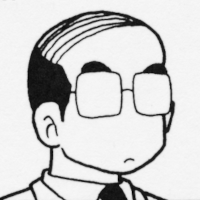
博士
ウーム わからん
英語
Hmmm... I don't understand.
分析
ウーム
わからん
わからん
書き方:分かる, 解る, 判る
読み方:わかる
活用形:negative colloquial
godan-ru-verb
intransitive-verb
usually-kana
1.
to understand; to comprehend; to grasp; to see; to get; to follow
godan-ru-verb
intransitive-verb
usually-kana
2.
to become clear; to be known; to be discovered; to be realized; to be realised; to be found out
interjection
3.
I know!; I think so too!

研究者1
そうだ!博士 ここは逆転の発想で…
英語
I've got it! Professor, if we flip our approach...
分析
そうだ
!
博士
ここ
は
逆転
の
発想
で
…
そうだ
読み方:そうだ
interjection
1.
that is so; that is right; it looks to me; that's my impression
expression
2.
people say that; it is said that; I hear that
after plain form of a verb or adjective
博士
書き方:博士
読み方:はかせ
noun
1.
expert; learned person
noun
noun-suffix
colloquialism
2.
doctor; PhD; Dr.
noun
3.
instructor at the imperial court (ritsuryo period)
noun
4.
pitch and length marks (to accompany a Buddhist liturgical chant, etc.)
ここ
書き方:此処
読み方:ここ
pronoun
usually-kana
1.
here; this place
pronoun
usually-kana
2.
this point; here; now
pronoun
usually-kana
3.
these past ... (e.g. three years); these last ...
followed by a duration noun
pronoun
usually-kana
4.
the next ... (e.g. few days); these next ...
followed by a duration noun
は
読み方:は
particle
1.
topic marker particle
pronounced わ in modern Japanese
particle
2.
indicates contrast with another option (stated or unstated)
particle
3.
adds emphasis
逆転
書き方:逆転
読み方:ぎゃくてん
noun
suru-verb
no-adjective
1.
(sudden) change; reversal; turn-around; coming from behind (baseball)
の
読み方:の
particle
1.
indicates possessive
occasionally ん, orig. written 乃 or 之
particle
2.
nominalizes verbs and adjectives
particle
3.
substitutes for "ga" in subordinate phrases
particle
4.
(at sentence-end, falling tone) indicates a confident conclusion
often ん
particle
femanine
5.
(at sentence-end) indicates emotional emphasis
particle
6.
(at sentence-end, rising tone) indicates question
発想
書き方:発想
読み方:はっそう
noun
suru-verb
1.
idea; conception
noun
suru-verb
2.
way of thinking; approach
noun
suru-verb
music
3.
expression
で
読み方:で, にて
particle
1.
at; in
indicates location of action; にて is the formal literary form
particle
2.
at; when
indicates time of action
particle
3.
by; with
indicates means of action
conjunction
4.
and then; so
auxiliary
5.
and; then
indicates continuing action; alternative form of 〜て used for some verb types
particle
kansai
6.
let me tell you; don't you know
at sentence-end; indicates certainty, emphasis, etc.
2コマ
研究者1
器にしてはどうでしょう?
英語
...what do you think if we used it like a bowl?
分析
器
に
して
は
どう
でしょう
?
器
書き方:器
読み方:うつわ
noun
1.
bowl; vessel; container
noun
2.
ability; capacity; calibre; caliber
に
読み方:に
particle
1.
at (place, time); in; on; during
particle
2.
to (direction, state); toward; into
particle
3.
for (purpose)
particle
4.
because of (reason); for; with
particle
5.
by; from
particle
6.
as (i.e. in the role of)
particle
7.
per; in; for; a (e.g. "once a month")
particle
8.
and; in addition to
して
書き方:為る
読み方:する
活用形:te-form
included-suru-verb
usually-kana
1.
to do; to carry out; to perform
included-suru-verb
usually-kana
2.
to cause to become; to make (into); to turn (into)
included-suru-verb
usually-kana
3.
to serve as; to act as; to work as
included-suru-verb
usually-kana
4.
to wear (clothes, a facial expression, etc.)
included-suru-verb
usually-kana
5.
to judge as being; to view as being; to think of as; to treat as; to use as
as 〜にする,〜とする
included-suru-verb
usually-kana
6.
to decide on; to choose
as 〜にする
included-suru-verb
intransitive-verb
usually-kana
7.
to be sensed (of a smell, noise, etc.)
as 〜がする
included-suru-verb
intransitive-verb
usually-kana
8.
to be (in a state, condition, etc.)
included-suru-verb
intransitive-verb
usually-kana
9.
to be worth; to cost
included-suru-verb
intransitive-verb
usually-kana
10.
to pass (of time); to elapse
included-suru-verb
transitive-verb
usually-kana
11.
to place, or raise, person A to a post or status B
as AをBにする
included-suru-verb
transitive-verb
usually-kana
12.
to transform A to B; to make A into B; to exchange A for B
as AをBにする
included-suru-verb
transitive-verb
usually-kana
13.
to make use of A for B; to view A as B; to handle A as if it were B
as AをBにする
included-suru-verb
transitive-verb
usually-kana
14.
to feel A about B
as AをBにする
suffix
included-suru-verb
usually-kana
15.
verbalizing suffix (applies to nouns noted in this dictionary with the part of speech "vs")
auxiliary-verb
included-suru-verb
usually-kana
16.
creates a humble verb (after a noun prefixed with "o" or "go")
auxiliary-verb
included-suru-verb
usually-kana
17.
to be just about to; to be just starting to; to try to; to attempt to
as 〜うとする,〜ようとする
は
読み方:は
particle
1.
topic marker particle
pronounced わ in modern Japanese
particle
2.
indicates contrast with another option (stated or unstated)
particle
3.
adds emphasis
どう
書き方:如何
読み方:どう
adverb
usually-kana
1.
how; in what way; how about
でしょう
読み方:でしょう, でしょ
expression
1.
it seems; I think; I guess; I wonder
expression
2.
right?; don't you agree?
ちなみにサラダを盛ってみました
英語
By the way, I tried serving a salad.
分析
ちなみに
サラダ
を
盛って
みました
ちなみに
書き方:因みに
読み方:ちなみに
conjunction
usually-kana
1.
by the way; in this connection; incidentally; in passing
サラダ
読み方:サラダ
noun
food
1.
salad
を
読み方:を
particle
1.
indicates direct object of action
particle
2.
indicates subject of causative expression
particle
3.
indicates an area traversed
particle
4.
indicates time (period) over which action takes place
particle
5.
indicates point of departure or separation of action
particle
6.
indicates object of desire, like, hate, etc.
盛って
書き方:盛る
読み方:もる
活用形:te-form
godan-ru-verb
transitive-verb
1.
to serve (in a bowl, on a plate, etc.); to dish out; to dish up; to fill (a bowl) with
godan-ru-verb
transitive-verb
2.
to pile up; to heap up; to fill up; to stack up
godan-ru-verb
transitive-verb
3.
to administer (medicine, poison); to dose out; to prescribe
godan-ru-verb
transitive-verb
4.
to put into (e.g. information in a report, meaning in a statement)
godan-ru-verb
transitive-verb
5.
to mark out (e.g. scale); to graduate (e.g. thermometer)
godan-ru-verb
transitive-verb
slang
6.
to exaggerate; to apply heavy makeup
みました
書き方:見る, 観る, 視る
読み方:みる
活用形:polite past
ichidan-verb
transitive-verb
1.
to see; to look; to watch; to view; to observe
ichidan-verb
transitive-verb
2.
to examine; to look over; to assess; to check; to judge
ichidan-verb
transitive-verb
3.
to look after; to attend to; to take care of; to keep an eye on
ichidan-verb
transitive-verb
4.
to experience; to meet with (misfortune, success, etc.)
auxiliary-verb
ichidan-verb
usually-kana
5.
to try ...; to have a go at ...; to give ... a try
after the -te form of a verb
auxiliary-verb
ichidan-verb
usually-kana
6.
to see (that) ...; to find (that) ...
as 〜てみると, 〜てみたら, 〜てみれば, etc.
博士
なるほど 逆転の発想だな!
英語
I see, flip our approach, interesting!
分析
なるほど
逆転
の
発想
だ
な
!
なるほど
書き方:なる程, 成程
読み方:なるほど
expression
interjection
adverb
usually-kana
1.
I see; that's right; indeed
逆転
書き方:逆転
読み方:ぎゃくてん
noun
suru-verb
no-adjective
1.
(sudden) change; reversal; turn-around; coming from behind (baseball)
の
読み方:の
particle
1.
indicates possessive
occasionally ん, orig. written 乃 or 之
particle
2.
nominalizes verbs and adjectives
particle
3.
substitutes for "ga" in subordinate phrases
particle
4.
(at sentence-end, falling tone) indicates a confident conclusion
often ん
particle
femanine
5.
(at sentence-end) indicates emotional emphasis
particle
6.
(at sentence-end, rising tone) indicates question
発想
書き方:発想
読み方:はっそう
noun
suru-verb
1.
idea; conception
noun
suru-verb
2.
way of thinking; approach
noun
suru-verb
music
3.
expression
だ
読み方:だ
copula
1.
be; is
plain copula
auxiliary-verb
2.
did; (have) done
た after certain verb forms; indicates past or completed action
auxiliary-verb
3.
please; do
indicates light imperative
な
読み方:な
particle
1.
don't
prohibitive; used with dictionary form verb
particle
2.
do
imperative (from なさい); used with -masu stem of verb
interjection
3.
hey; listen; you
particle
4.
now, ...; well, ...; I tell you!; you know
when seeking confirmation, for emphasis, etc.; used at sentence end
particle
5.
wow; ooh
used to express admiration, emotionality, etc.; used at sentence end
3コマ
もしゃもしゃ
英語
munch munch
研究者1
ああっ また 食ってます!
英語
AAH- IT'S EATING AGAIN!
分析
ああっ
また
食って
ます
!
また
書き方:又
読み方:また
adverb
usually-kana
1.
again; once more; once again; another time; some other time
adverb
usually-kana
2.
also; too; as well; likewise
adverb
usually-kana
3.
on the other hand; while
conjunction
usually-kana
4.
and; in addition; besides; moreover; furthermore
conjunction
usually-kana
5.
or; otherwise
adverb
usually-kana
6.
really; how; (what, why) on earth
expresses surprise, shock, doubt, etc.
prefix
7.
indirect
食って
書き方:食う, 喰う
読み方:くう
活用形:te-form
godan-u-verb
transitive-verb
masculine
1.
to eat
godan-u-verb
transitive-verb
2.
to live; to make a living; to survive
godan-u-verb
transitive-verb
3.
to bite; to sting (as insects do)
godan-u-verb
transitive-verb
4.
to tease; to torment; to taunt; to make light of; to make fun of
godan-u-verb
transitive-verb
5.
to encroach on; to eat into; to consume
godan-u-verb
transitive-verb
6.
to defeat a superior; to threaten a position
godan-u-verb
transitive-verb
7.
to consume time and-or resources
godan-u-verb
transitive-verb
colloquialism
8.
to receive something (usu. an unfavourable event)
godan-u-verb
transitive-verb
masculine
vulgar
9.
to have sexual relations with a woman, esp. for the first time
ます
書き方:居る
読み方:いる
活用形:polite non-past
ichidan-verb
intransitive-verb
usually-kana
1.
to be (of animate objects); to exist
ichidan-verb
intransitive-verb
usually-kana
2.
to stay
ichidan-verb
auxiliary-verb
usually-kana
3.
to be ...-ing; to have been ...-ing
after the -te form of a verb; indicates continuing action or state
博士
うーん またダメか ……いや ちょっと待てよ
英語
Oof, another failure, huh... No, wait a minute!
分析
うーん
また
ダメ
か
…
…
いや
ちょっと
待てよ
うーん
読み方:ううん, うーん
interjection
1.
um; er; well
interjection
2.
nuh-uh; no
interjection
3.
oof
また
書き方:又
読み方:また
adverb
usually-kana
1.
again; once more; once again; another time; some other time
adverb
usually-kana
2.
also; too; as well; likewise
adverb
usually-kana
3.
on the other hand; while
conjunction
usually-kana
4.
and; in addition; besides; moreover; furthermore
conjunction
usually-kana
5.
or; otherwise
adverb
usually-kana
6.
really; how; (what, why) on earth
expresses surprise, shock, doubt, etc.
prefix
7.
indirect
ダメ
書き方:駄目
読み方:だめ, ダメ
adjectival-noun
noun
usually-kana
1.
no good; not serving its purpose; useless; broken
adjectival-noun
noun
usually-kana
2.
hopeless; wasted; in vain; purposeless
adjectival-noun
noun
usually-kana
3.
cannot; must not; not allowed
noun
4.
neutral point (in go); intersection owned by neither player at the end of a game
か
読み方:か
particle
1.
indicates a question
at sentence end
particle
2.
or; whether or not
after each alternative
particle
3.
some- (e.g. something, someone)
after an interrogative
particle
4.
hmm; huh
indicates doubt, uncertainty, etc.; sometimes after other particles
prefix
5.
very
emphatic prefix; usu. before an adjective
suffix
6.
-al; -ial; -ic; -ical; -ish; -y
suffix forming adjectives or adverbs; after an indeclinable word
いや
書き方:嫌
読み方:いや, イヤ, や, ヤ
adjectival-noun
noun
1.
disagreeable; detestable; unpleasant; reluctant
ちょっと
書き方:一寸, 鳥渡
読み方:ちょっと
adverb
usually-kana
1.
a little; a bit; slightly
adverb
usually-kana
2.
just a minute; for a moment; briefly
adverb
usually-kana
3.
somewhat; rather; fairly; pretty; quite
adverb
usually-kana
4.
(not) easily; (not) readily
before a verb in negative form
interjection
usually-kana
5.
hey!; come on; excuse me
expression
usually-kana
6.
thanks, but no; not feasible; not possible
待てよ
書き方:待つ
読み方:まつ
活用形:potential command positive (written)
godan-tsu-verb
transitive-verb
intransitive-verb
1.
to wait
godan-tsu-verb
transitive-verb
intransitive-verb
2.
to await; to look forward to; to anticipate
godan-tsu-verb
transitive-verb
intransitive-verb
3.
to depend on; to need
usu. in negative form
4コマ
博士
ゴミ箱にすればよいのだ!
英語
It'd make a good garbage can!
分析
ゴミ箱
に
すれば
よい
のだ
!
ゴミ箱
書き方:ゴミ箱
読み方:ゴミばこ
noun
1.
garbage can; rubbish bin; trash can; dustbin
に
読み方:に
particle
1.
at (place, time); in; on; during
particle
2.
to (direction, state); toward; into
particle
3.
for (purpose)
particle
4.
because of (reason); for; with
particle
5.
by; from
particle
6.
as (i.e. in the role of)
particle
7.
per; in; for; a (e.g. "once a month")
particle
8.
and; in addition to
すれば
読み方:すれば
expression
1.
if so; in that case; in that situation
よい
書き方:良い
読み方:よい
活用形:non-past
adjective
1.
good; excellent; fine; nice; pleasant; agreeable
also いい (all senses)
adjective
2.
sufficient; enough; ready; prepared
adjective
3.
profitable (deal, business offer, etc.); beneficial
adjective
4.
OK; all right; fine; no problem
as て(も)良い, と(も)良い, etc.; indicates permission or compromise
のだ
読み方:のだ, んだ
expression
1.
the expectation is that ...; the reason is that ...; the fact is that ...; the explanation is that ...; it is that ...
の and ん add emphasis

研究する人々
おおーーっ
英語
OOOOOH!
なるほど!
英語
I see!
分析
なるほど
!
なるほど
書き方:なる程, 成程
読み方:なるほど
expression
interjection
adverb
usually-kana
1.
I see; that's right; indeed

サムス
……
英語
......
第二話
サムスの休日
スーパーメトロイド
英語
Samus' Day Off
分析
サムス
の
休日
サムス

名前:サムス
苗字:アラン
あだ名:サムス・アラン
A brave space bounty hunter, Samus Aran.
の
読み方:の
particle
1.
indicates possessive
occasionally ん, orig. written 乃 or 之
particle
2.
nominalizes verbs and adjectives
particle
3.
substitutes for "ga" in subordinate phrases
particle
4.
(at sentence-end, falling tone) indicates a confident conclusion
often ん
particle
femanine
5.
(at sentence-end) indicates emotional emphasis
particle
6.
(at sentence-end, rising tone) indicates question
休日
書き方:休日
読み方:きゅうじつ
noun
1.
holiday; day off
英語
Super Metroid
分析
スーパー
メトロイド
スーパー
読み方:スーパー
noun
abbreviation
1.
supermarket
noun
abbreviation
2.
subtitles; telop
noun
abbreviation
3.
superheterodyne
noun-or-verb-acting-prenominally
4.
super
1コマ
サムス
私も女の子だもの
英語
I'm a girl too, you know.
分析
私
も
女の子
だ
もの
私
書き方:私
読み方:わたし
pronoun
1.
I; me
slightly formal or feminine
も
読み方:も
particle
1.
too; also; in addition; as well; (not) either (in a negative sentence)
particle
2.
both A and B; A as well as B; neither A nor B (in a negative sentence)
as AもBも
particle
3.
even; as much as; as many as; as far as; as long as; no less than; no fewer than
used for emphasis or to express absence of doubt regarding a quantity, etc.
particle
4.
even if; even though; although; in spite of
often as 〜ても, 〜でも, 〜とも, etc.
adverb
colloquialism
abbreviation
5.
further; more; again; another; the other
女の子
書き方:女の子
読み方:おんなのこ
expression
noun
1.
girl; daughter; baby girl
expression
noun
2.
young woman
だ
読み方:だ
copula
1.
be; is
plain copula
auxiliary-verb
2.
did; (have) done
た after certain verb forms; indicates past or completed action
auxiliary-verb
3.
please; do
indicates light imperative
もの
読み方:もの
particle
1.
indicates reason or excuse
used as a conjunction or at sentence-end, often as 〜ものな, 〜ものね
particle
femanine
2.
indicates dissatisfaction; indicates desire to be pampered or indulged
at sentence-end
休みの日には…
英語
So on day's off...
分析
休み
の
日
には
…
休み
書き方:休み
読み方:やすみ
noun
1.
rest; recess; respite
noun
2.
vacation; holiday; absence; suspension
noun
3.
dormancy (of a silkworm prior to moulting)
の
読み方:の
particle
1.
indicates possessive
occasionally ん, orig. written 乃 or 之
particle
2.
nominalizes verbs and adjectives
particle
3.
substitutes for "ga" in subordinate phrases
particle
4.
(at sentence-end, falling tone) indicates a confident conclusion
often ん
particle
femanine
5.
(at sentence-end) indicates emotional emphasis
particle
6.
(at sentence-end, rising tone) indicates question
日
書き方:日
読み方:ひ
noun
1.
day; days
noun
2.
sun; sunshine; sunlight
noun
3.
(the) day; daytime; daylight
noun
4.
date; deadline
noun
5.
(past) days; time (e.g. of one's childhood)
noun
6.
case (esp. unfortunate); event
as 〜した日には, 〜と来た日には, etc.
には
読み方:には
expression
particle
1.
to; for; on; in; at
emphasises word marked by に
expression
particle
2.
in order to; for
expression
particle
3.
as for; regarding
indicates respect for subject of sentence
expression
particle
4.
while it is (was) the case that ...; indeed ... (but); certainly ... (but)
as AにはAが...; emphasizes the repeated word, followed by a contrasting statement
2コマ
サムス
暖かい日差しの下…
英語
Under the warm sunlight...
分析
暖かい
日差し
の
下
…
暖かい
書き方:暖かい, 温かい
読み方:あたたかい
活用形:non-past
adjective
1.
warm; mild; (pleasantly) hot
暖かい usu. refers to air temperature
adjective
2.
considerate; kind; genial
adjective
3.
warm (of a colour); mellow
adjective
4.
having enough money
日差し
書き方:日差し
読み方:ひざし
noun
1.
sunlight; rays of the Sun
の
読み方:の
particle
1.
indicates possessive
occasionally ん, orig. written 乃 or 之
particle
2.
nominalizes verbs and adjectives
particle
3.
substitutes for "ga" in subordinate phrases
particle
4.
(at sentence-end, falling tone) indicates a confident conclusion
often ん
particle
femanine
5.
(at sentence-end) indicates emotional emphasis
particle
6.
(at sentence-end, rising tone) indicates question
下
書き方:下
読み方:した
noun
1.
below; down; under; younger (e.g. daughter)
noun
2.
bottom
noun
3.
beneath; underneath
noun
4.
just after; right after
as 下から, 下より, etc.
noun
no-adjective
5.
inferiority; one's inferior (i.e. one's junior)
noun
6.
trade-in
noun-prefix
7.
preliminary; preparatory
3コマ
サムス
広い草原の上で…
英語
above the wide open fields...
分析
広い
草原
の
上
で
…
広い
書き方:広い
読み方:ひろい
活用形:non-past
adjective
1.
spacious; vast; wide
草原
書き方:草原
読み方:そうげん
noun
1.
grassy field; grassland; meadow
noun
2.
grass-covered plain; savannah; prairie; steppe
の
読み方:の
particle
1.
indicates possessive
occasionally ん, orig. written 乃 or 之
particle
2.
nominalizes verbs and adjectives
particle
3.
substitutes for "ga" in subordinate phrases
particle
4.
(at sentence-end, falling tone) indicates a confident conclusion
often ん
particle
femanine
5.
(at sentence-end) indicates emotional emphasis
particle
6.
(at sentence-end, rising tone) indicates question
上
書き方:上
読み方:うえ
noun
no-adjective
adverb
noun-suffix
1.
above; up; over; elder (e.g. daughter)
noun
2.
top; summit; head (e.g. of a staircase)
noun
3.
surface
noun
no-adjective
adverb
4.
before; previous
noun
no-adjective
5.
superiority; one's superior; one's elder
noun
adverb
6.
on top of that; besides; what's more; not only ... but
following a verb or adjective
noun
adverb
7.
upon (further inspection, etc.); based on (and occurring after)
following a verb or noun
noun
adverb
8.
matters concerning ...; as concerns ...
noun
adverb
9.
since (i.e. "for that reason")
as ~上は
noun-suffix
honorific
10.
honorable; venerable
suffix indicating higher social standing than the speaker
で
読み方:で, にて
particle
1.
at; in
indicates location of action; にて is the formal literary form
particle
2.
at; when
indicates time of action
particle
3.
by; with
indicates means of action
conjunction
4.
and then; so
auxiliary
5.
and; then
indicates continuing action; alternative form of 〜て used for some verb types
particle
kansai
6.
let me tell you; don't you know
at sentence-end; indicates certainty, emphasis, etc.
4コマ
サムス
くつろぐの
英語
I relax.
分析
くつろぐ
の
くつろぐ
書き方:寛ぐ
読み方:くつろぐ
活用形:plain non-past
godan-gu-verb
intransitive-verb
usually-kana
1.
to relax; to feel at home
の
読み方:の
particle
1.
indicates possessive
occasionally ん, orig. written 乃 or 之
particle
2.
nominalizes verbs and adjectives
particle
3.
substitutes for "ga" in subordinate phrases
particle
4.
(at sentence-end, falling tone) indicates a confident conclusion
often ん
particle
femanine
5.
(at sentence-end) indicates emotional emphasis
particle
6.
(at sentence-end, rising tone) indicates question
サムス
あー くつろぐ
英語
Aahh- Relaxing...
分析
あー
くつろぐ
あー
書き方:嗚呼
読み方:ああ, あー
interjection
usually-kana
1.
ah!; oh!; alas!
also written as 於乎, 於戯, 嗟乎, 嗟夫, 吁, etc.
interjection
usually-kana
2.
yes; indeed; that is correct
interjection
usually-kana
3.
aah; gah; argh
in exasperation
interjection
usually-kana
4.
hey!; yo!
interjection
usually-kana
5.
uh huh; yeah yeah; right; gotcha
くつろぐ
書き方:寛ぐ
読み方:くつろぐ
活用形:plain non-past
godan-gu-verb
intransitive-verb
usually-kana
1.
to relax; to feel at home
ちゅんちゅん
英語
tweet tweet
Having trouble with the vocabulary?
Download the Fireball Game Comics Anki Deck!
It covers the posted translations, and is updated each time a new one is posted!
Download the Fireball Game Comics Anki Deck!
It covers the posted translations, and is updated each time a new one is posted!