風のゆかり

◁
◂
勉強
◂
◁
第一話
英語
Yukari of the Wind
分析
風
の
ゆかり
風
書き方:風
読み方:かぜ
noun
1.
wind; breeze; draught; draft
noun
noun-prefix
2.
manner; behaviour; behavior
noun
3.
cold; influenza
irreg. kanji form
の
読み方:の
particle
1.
indicates possessive
occasionally ん, orig. written 乃 or 之
particle
2.
nominalizes verbs and adjectives
particle
3.
substitutes for "ga" in subordinate phrases
particle
4.
(at sentence-end, falling tone) indicates a confident conclusion
often ん
particle
femanine
5.
(at sentence-end) indicates emotional emphasis
particle
6.
(at sentence-end, rising tone) indicates question
ゆかり
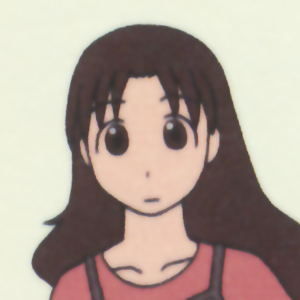
名前:ゆかり
苗字:谷崎(たにざき)
An English teacher who may not always act in a responsible manner.
1コマ

とも
うわっ さぶぅ〜〜ー
英語
Yikes! It's so cold...
分析
うわっ
さぶぅ
〜〜ー
うわっ
読み方:うわ
1.
yikes; oops; eep; wow; aargh
さぶぅ
書き方:寒い
読み方:さむい
活用形:non-past
adjective
1.
cold (e.g. weather)
adjective
2.
uninteresting (esp. joke); lame; dull; weak; corny
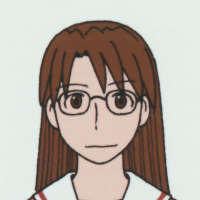
よみ
なんで英語が体育に…
英語
Why did English become PE...
分析
なんで
英語
が
体育
に
…
なんで
書き方:何で
読み方:なんで
adverb
usually-kana
1.
why?; what for?
adverb
2.
how?; by what means?
英語
書き方:英語
読み方:えいご
noun
no-adjective
1.
English (language)
が
読み方:が
particle
1.
indicates sentence subject (occasionally object)
particle
2.
indicates possessive (esp. in literary expressions)
conjunction
3.
but; however; still; and
conjunction
4.
regardless of; whether (or not)
after the volitional form of a verb
体育
書き方:体育
読み方:たいいく
noun
1.
physical education; PE; gym (class)
に
読み方:に
particle
1.
at (place, time); in; on; during
particle
2.
to (direction, state); toward; into
particle
3.
for (purpose)
particle
4.
because of (reason); for; with
particle
5.
by; from
particle
6.
as (i.e. in the role of)
particle
7.
per; in; for; a (e.g. "once a month")
particle
8.
and; in addition to
2コマ

ゆかり先生
子供は風の子!さむくない!
英語
Kids are children of the wind! You're not cold!
分析
子供
は
風
の
子
!
さむくない
!
子供
書き方:子供, 子ども
読み方:こども
noun
1.
child
は
読み方:は
particle
1.
topic marker particle
pronounced わ in modern Japanese
particle
2.
indicates contrast with another option (stated or unstated)
particle
3.
adds emphasis
風
書き方:風
読み方:かぜ
noun
1.
wind; breeze; draught; draft
noun
noun-prefix
2.
manner; behaviour; behavior
noun
3.
cold; influenza
irreg. kanji form
の
読み方:の
particle
1.
indicates possessive
occasionally ん, orig. written 乃 or 之
particle
2.
nominalizes verbs and adjectives
particle
3.
substitutes for "ga" in subordinate phrases
particle
4.
(at sentence-end, falling tone) indicates a confident conclusion
often ん
particle
femanine
5.
(at sentence-end) indicates emotional emphasis
particle
6.
(at sentence-end, rising tone) indicates question
子
書き方:子
読み方:ね
noun
1.
the Rat (first sign of the Chinese zodiac)
noun
obsolete-term
2.
hour of the Rat (around midnight, 11pm to 1am, or 12 midnight to 2am)
noun
obsolete-term
3.
north
noun
obsolete-term
4.
eleventh month of the lunar calendar
さむくない
書き方:寒い
読み方:さむい
活用形:negative non-past
adjective
1.
cold (e.g. weather)
adjective
2.
uninteresting (esp. joke); lame; dull; weak; corny
とも
そんなことはない
英語
That's not true.
分析
そんな
こと
は
ない
そんな
読み方:そんな
prenoun-adjectival
1.
such; that sort of; that kind of; like that
about the actions of the listener, or about ideas expressed or understood by the listener
interjection
colloquialism
2.
no way!; never!
こと
書き方:事
読み方:こと
noun
usually-kana
1.
thing; matter
noun
usually-kana
2.
incident; occurrence; event; something serious; trouble; crisis
noun
usually-kana
3.
circumstances; situation; state of affairs
noun
usually-kana
4.
work; business; affair
noun
usually-kana
5.
after an inflectable word, creates a noun phrase indicating something the speaker does not feel close to
noun-suffix
usually-kana
6.
nominalizing suffix
noun-suffix
usually-kana
7.
pretending to ...; playing make-believe ...
noun
usually-kana
8.
alias; also known as; otherwise known as; or
as AことB (A = alias, B = real name)
noun
usually-kana
9.
necessity; need
as 〜ことはない
noun
usually-kana
10.
you should ...; I advise that you ...; it's important to ...
as 〜ことだ
は
読み方:は
particle
1.
topic marker particle
pronounced わ in modern Japanese
particle
2.
indicates contrast with another option (stated or unstated)
particle
3.
adds emphasis
ない
書き方:無い
読み方:ない
活用形:non-past
adjective
usually-kana
1.
nonexistent; not being (there)
adjective
2.
unowned; not had; unpossessed
adjective
3.
unique
adjective
4.
not; impossible; won't happen
as ...ことがない, etc.; indicates negation, inexperience, unnecessariness or impossibility
auxiliary-adjective
5.
not
after the ren'youkei form of an adjective
auxiliary-adjective
6.
to not be; to have not
after the -te form of a verb
3コマ
ゆかり先生
ん?てことはあれね大人は風の子の親… つまり風ね!
英語
Huh? If that's the case, then adults are the parents of the children of the wind... In other words, wind!
分析
ん
?
て
こと
は
あれ
ね
大人
は
風
の
子
の
親
…
つまり
風
ね
!
ん
読み方:ん
1.
oh!; good heavens!
2.
ugh!; oh no!
3.
ah!; the penny drops!
4.
yes!; okay!
5.
yes; yeah; uh huh
6.
huh?; what?
auxiliary-verb
suffix
7.
not
negative verb ending used in informal speech; abbr. of negative verb ending ぬ
particle
8.
's; of; belonging to
abbr. of particle の; indicates possessive
particle
9.
at (place, time); in; on; during
abbr. of particle に; used esp. when it precedes the verb なる
て
読み方:って, て
particle
1.
you said; he said; she said; they said
casual quoting particle
particle
2.
if ... then
as たって; indicates supposition
particle
3.
do you seriously think that
as かって; indicates a satirical or rhetorical question
particle
4.
I already told you; you should know by now that; of course
indicates certainty, insistence, emphasis, etc.
particle
5.
the said ...; said ...
abbr. of という
particle
6.
says that ...
abbr. of と言っている
particle
7.
I hear that ...
abbr. of と聞いている
particle
8.
as for the term ...
abbr. of とは, というのは
particle
9.
as for ...
equiv. of は topic marker
こと
書き方:事
読み方:こと
noun
usually-kana
1.
thing; matter
noun
usually-kana
2.
incident; occurrence; event; something serious; trouble; crisis
noun
usually-kana
3.
circumstances; situation; state of affairs
noun
usually-kana
4.
work; business; affair
noun
usually-kana
5.
after an inflectable word, creates a noun phrase indicating something the speaker does not feel close to
noun-suffix
usually-kana
6.
nominalizing suffix
noun-suffix
usually-kana
7.
pretending to ...; playing make-believe ...
noun
usually-kana
8.
alias; also known as; otherwise known as; or
as AことB (A = alias, B = real name)
noun
usually-kana
9.
necessity; need
as 〜ことはない
noun
usually-kana
10.
you should ...; I advise that you ...; it's important to ...
as 〜ことだ
は
読み方:は
particle
1.
topic marker particle
pronounced わ in modern Japanese
particle
2.
indicates contrast with another option (stated or unstated)
particle
3.
adds emphasis
あれ
読み方:あれ, あれっ, あれえ, あれー
1.
huh?; eh?; what?; oh; hey!; look!; listen!
Indicates surprise, suspicion, etc.
ね
読み方:ね
particle
1.
right?; isn't it?; doesn't it?; don't you?; don't you think?
at sentence end; used as a request for confirmation or agreement
interjection
2.
hey; say; listen; look; come on
particle
3.
you know; you see; I must say; I should think
at sentence end; used to express one's thoughts or feelings
particle
4.
will you?; please
at sentence end; used to make an informal request
particle
5.
so, ...; well, ...; you see, ...; you understand?
at the end of a non-final clause; used to draw the listener's attention to something
particle
6.
I'm not sure if ...; I have my doubts about whether ...
at sentence end after the question marker か
大人
書き方:大人
読み方:おとな
noun
no-adjective
adjectival-noun
1.
adult; grown-up
は
読み方:は
particle
1.
topic marker particle
pronounced わ in modern Japanese
particle
2.
indicates contrast with another option (stated or unstated)
particle
3.
adds emphasis
風
書き方:風
読み方:かぜ
noun
1.
wind; breeze; draught; draft
noun
noun-prefix
2.
manner; behaviour; behavior
noun
3.
cold; influenza
irreg. kanji form
の
読み方:の
particle
1.
indicates possessive
occasionally ん, orig. written 乃 or 之
particle
2.
nominalizes verbs and adjectives
particle
3.
substitutes for "ga" in subordinate phrases
particle
4.
(at sentence-end, falling tone) indicates a confident conclusion
often ん
particle
femanine
5.
(at sentence-end) indicates emotional emphasis
particle
6.
(at sentence-end, rising tone) indicates question
子
書き方:子
読み方:ね
noun
1.
the Rat (first sign of the Chinese zodiac)
noun
obsolete-term
2.
hour of the Rat (around midnight, 11pm to 1am, or 12 midnight to 2am)
noun
obsolete-term
3.
north
noun
obsolete-term
4.
eleventh month of the lunar calendar
の
読み方:の
particle
1.
indicates possessive
occasionally ん, orig. written 乃 or 之
particle
2.
nominalizes verbs and adjectives
particle
3.
substitutes for "ga" in subordinate phrases
particle
4.
(at sentence-end, falling tone) indicates a confident conclusion
often ん
particle
femanine
5.
(at sentence-end) indicates emotional emphasis
particle
6.
(at sentence-end, rising tone) indicates question
親
書き方:親
読み方:おや
noun
1.
parent; parents; mother and father
noun
2.
dealer (in cards, mahjong, etc.); banker
noun
3.
founder; inventor
noun
4.
(pet) owner
no-adjective
noun
5.
key; parent (organization); main
noun
6.
ancestor; forefather
つまり
書き方:詰まり
読み方:つまり
adverb
usually-kana
1.
that is to say; that is; in other words; I mean; that (this, it) means
adverb
usually-kana
2.
in short; in brief; to sum up; ultimately; in the end; in the long run; when all is said and done; what it all comes down to; when you get right down to it; basically
noun
usually-kana
3.
clogging; obstruction; stuffing; (degree of) blockage
noun
usually-kana
4.
shrinkage
noun
usually-kana
5.
end; conclusion
風
書き方:風
読み方:かぜ
noun
1.
wind; breeze; draught; draft
noun
noun-prefix
2.
manner; behaviour; behavior
noun
3.
cold; influenza
irreg. kanji form
ね
読み方:ね
particle
1.
right?; isn't it?; doesn't it?; don't you?; don't you think?
at sentence end; used as a request for confirmation or agreement
interjection
2.
hey; say; listen; look; come on
particle
3.
you know; you see; I must say; I should think
at sentence end; used to express one's thoughts or feelings
particle
4.
will you?; please
at sentence end; used to make an informal request
particle
5.
so, ...; well, ...; you see, ...; you understand?
at the end of a non-final clause; used to draw the listener's attention to something
particle
6.
I'm not sure if ...; I have my doubts about whether ...
at sentence end after the question marker か
4コマ
ゆかり先生
私は風!風は自由に…えーと!
英語
I AM THE WIND! THE WIND IS FREEDOM OR... SOMETHING!
分析
私
は
風
!
風
は
自由
に
…
えーと
!
私
書き方:私
読み方:わたし
pronoun
1.
I; me
slightly formal or feminine
は
読み方:は
particle
1.
topic marker particle
pronounced わ in modern Japanese
particle
2.
indicates contrast with another option (stated or unstated)
particle
3.
adds emphasis
風
書き方:風
読み方:かぜ
noun
1.
wind; breeze; draught; draft
noun
noun-prefix
2.
manner; behaviour; behavior
noun
3.
cold; influenza
irreg. kanji form
風
書き方:風
読み方:かぜ
noun
1.
wind; breeze; draught; draft
noun
noun-prefix
2.
manner; behaviour; behavior
noun
3.
cold; influenza
irreg. kanji form
は
読み方:は
particle
1.
topic marker particle
pronounced わ in modern Japanese
particle
2.
indicates contrast with another option (stated or unstated)
particle
3.
adds emphasis
自由
書き方:自由
読み方:じゆう
noun
adjectival-noun
1.
freedom; liberty
に
読み方:に
particle
1.
at (place, time); in; on; during
particle
2.
to (direction, state); toward; into
particle
3.
for (purpose)
particle
4.
because of (reason); for; with
particle
5.
by; from
particle
6.
as (i.e. in the role of)
particle
7.
per; in; for; a (e.g. "once a month")
particle
8.
and; in addition to
えーと
読み方:えっと, えーと
interjection
1.
let me see; well; errr ...; uhh ...

おおさか
元気やなあ
英語
So lively, huh?
分析
元気
や
なあ
元気
書き方:元気
読み方:げんき
adjectival-noun
noun
1.
lively; full of spirit; energetic; vigorous; vital; spirited
adjectival-noun
noun
2.
healthy; well; fit; in good health
や
読み方:や
particle
1.
such things as ...; and ... and
used for non-exhaustive lists related to a specific time and place
particle
2.
the minute (that) ...; no sooner than ...; as soon as
after the dictionary form of a verb
copula
kansai
3.
be; is
interjection
4.
o; oh
punctuational exclamation in haiku, renga, etc.
interjection
5.
huh; what
interjection expressing surprise
interjection
masculine
6.
hi
なあ
読み方:なあ, なー
interjection
familiar
1.
hey; say; look
used to get someone's attention or press one's point
第二話
HIDEです
英語
I'm "HIDE"!
分析
HIDE
です
です
読み方:です
expression
polite
1.
be; is
polite copula
1コマ
ゆかり先生
サッカーやろう サッカー!!
英語
LET'S PLAY SOCCER! SOCCER!!
分析
サッカー
やろう
サッカー
!
!
サッカー
読み方:サッカー
noun
1.
soccer
noun
2.
seersucker
やろう
書き方:遣る
読み方:やる
活用形:volitional
godan-ru-verb
transitive-verb
usually-kana
colloquialism
1.
to do; to undertake; to perform; to play (a game); to study
godan-ru-verb
transitive-verb
usually-kana
2.
to send; to dispatch; to despatch
godan-ru-verb
transitive-verb
usually-kana
3.
to put; to move; to turn (one's head, glance, etc.)
godan-ru-verb
transitive-verb
usually-kana
4.
to give (esp. to someone of equal or lower status); to let have; to present; to bestow; to confer
godan-ru-verb
transitive-verb
usually-kana
5.
to make (a vehicle) go faster
godan-ru-verb
transitive-verb
usually-kana
6.
to run (a business); to keep; to be engaged in; to practice (law, medicine, etc.); to practise
godan-ru-verb
transitive-verb
usually-kana
7.
to have (food, drink, etc.); to eat; to drink; to smoke
godan-ru-verb
transitive-verb
usually-kana
8.
to hold (a performance); to perform; to show
godan-ru-verb
transitive-verb
usually-kana
9.
to ease (one's mind)
godan-ru-verb
transitive-verb
colloquialism
usually-kana
10.
to harm; to injure; to kill
godan-ru-verb
transitive-verb
usually-kana
slang
11.
to have sex with
godan-ru-verb
intransitive-verb
usually-kana
12.
to live; to get by; to get along
suffix
godan-ru-verb
usually-kana
13.
to do ... completely
after the -masu stem of a verb, often in the negative
suffix
godan-ru-verb
usually-kana
14.
to do ... broadly; to do ... to a great distance
after the -masu stem of a verb
auxiliary-verb
godan-ru-verb
usually-kana
15.
to do ... for (someone of equal or lower status); to do ... to
after the -te form of a verb; sometimes with negative nuance
auxiliary-verb
godan-ru-verb
usually-kana
16.
to make active efforts to ...
after the -te form of a verb
サッカー
読み方:サッカー
noun
1.
soccer
noun
2.
seersucker
2コマ
とも
ルール知ってんの?
英語
Do you know the rules?
分析
ルール
知って
ん
の
?
ルール
読み方:ルール
noun
1.
rule
知って
書き方:知る
読み方:しる
活用形:te-form
godan-ru-verb
transitive-verb
1.
to be aware of; to know; to be conscious of; to cognize; to cognise
godan-ru-verb
transitive-verb
2.
to notice; to feel
godan-ru-verb
transitive-verb
3.
to understand; to comprehend; to grasp
godan-ru-verb
transitive-verb
4.
to remember; to be acquainted with (a procedure)
godan-ru-verb
transitive-verb
5.
to experience; to go through; to learn
godan-ru-verb
transitive-verb
6.
to be acquainted with (a person); to get to know
godan-ru-verb
transitive-verb
7.
to concern
ん
書き方:居る
読み方:いる
活用形:plain non-past
ichidan-verb
intransitive-verb
usually-kana
1.
to be (of animate objects); to exist
ichidan-verb
intransitive-verb
usually-kana
2.
to stay
ichidan-verb
auxiliary-verb
usually-kana
3.
to be ...-ing; to have been ...-ing
after the -te form of a verb; indicates continuing action or state
の
読み方:の
particle
1.
indicates possessive
occasionally ん, orig. written 乃 or 之
particle
2.
nominalizes verbs and adjectives
particle
3.
substitutes for "ga" in subordinate phrases
particle
4.
(at sentence-end, falling tone) indicates a confident conclusion
often ん
particle
femanine
5.
(at sentence-end) indicates emotional emphasis
particle
6.
(at sentence-end, rising tone) indicates question
ゆかり先生
まかせな!
英語
Leave it to me!
分析
まかせ
な
!
まかせ
書き方:巻く
読み方:まく
活用形:stem-form
godan-ku-verb
transitive-verb
1.
to wind; to coil; to roll; to wear (e.g. turban, scarf)
godan-ku-verb
transitive-verb
2.
to envelope; to shroud
usu. 巻かれる
godan-ku-verb
transitive-verb
3.
to outflank; to skirt
godan-ku-verb
transitive-verb
4.
to link (verse)
godan-ku-verb
intransitive-verb
5.
to move ahead (three hours, etc.); to move up
な
読み方:な
particle
1.
don't
prohibitive; used with dictionary form verb
particle
2.
do
imperative (from なさい); used with -masu stem of verb
interjection
3.
hey; listen; you
particle
4.
now, ...; well, ...; I tell you!; you know
when seeking confirmation, for emphasis, etc.; used at sentence end
particle
5.
wow; ooh
used to express admiration, emotionality, etc.; used at sentence end
3コマ
ゆかり先生
私 中田!
英語
I'm Nakata!
分析
私
中田
!
私
書き方:私
読み方:わたし
pronoun
1.
I; me
slightly formal or feminine
ノート
This is in reference to the soccer player 中田 英寿 (なかた ひでとし). Which is why the title of this comic is “I’m ‘Hide’!”
とも
は?
英語
Huh?
分析
は
?
は
読み方:は
particle
1.
topic marker particle
pronounced わ in modern Japanese
particle
2.
indicates contrast with another option (stated or unstated)
particle
3.
adds emphasis
4コマ
ゆかり先生
中田やるから
英語
I'll play Nakada, so...
分析
中田
やる
から
やる
書き方:遣る
読み方:やる
活用形:plain non-past
godan-ru-verb
transitive-verb
usually-kana
colloquialism
1.
to do; to undertake; to perform; to play (a game); to study
godan-ru-verb
transitive-verb
usually-kana
2.
to send; to dispatch; to despatch
godan-ru-verb
transitive-verb
usually-kana
3.
to put; to move; to turn (one's head, glance, etc.)
godan-ru-verb
transitive-verb
usually-kana
4.
to give (esp. to someone of equal or lower status); to let have; to present; to bestow; to confer
godan-ru-verb
transitive-verb
usually-kana
5.
to make (a vehicle) go faster
godan-ru-verb
transitive-verb
usually-kana
6.
to run (a business); to keep; to be engaged in; to practice (law, medicine, etc.); to practise
godan-ru-verb
transitive-verb
usually-kana
7.
to have (food, drink, etc.); to eat; to drink; to smoke
godan-ru-verb
transitive-verb
usually-kana
8.
to hold (a performance); to perform; to show
godan-ru-verb
transitive-verb
usually-kana
9.
to ease (one's mind)
godan-ru-verb
transitive-verb
colloquialism
usually-kana
10.
to harm; to injure; to kill
godan-ru-verb
transitive-verb
usually-kana
slang
11.
to have sex with
godan-ru-verb
intransitive-verb
usually-kana
12.
to live; to get by; to get along
suffix
godan-ru-verb
usually-kana
13.
to do ... completely
after the -masu stem of a verb, often in the negative
suffix
godan-ru-verb
usually-kana
14.
to do ... broadly; to do ... to a great distance
after the -masu stem of a verb
auxiliary-verb
godan-ru-verb
usually-kana
15.
to do ... for (someone of equal or lower status); to do ... to
after the -te form of a verb; sometimes with negative nuance
auxiliary-verb
godan-ru-verb
usually-kana
16.
to make active efforts to ...
after the -te form of a verb
から
読み方:から
particle
1.
from (e.g. time, place, numerical quantity); since
particle
2.
from (originator); by
particle
3.
because; since
follows verbs, adjectives
particle
4.
out of (constituent, part)
particle
5.
through (e.g. window, vestibule)
particle
6.
after; since
following the te-form of a verb
particle
7.
expresses sympathy or warning
とも
どーゆーこと?
英語
What are you talking about?
分析
どーゆー
こと
?
どーゆー
書き方:どう言う
読み方:どういう, どう言う, どーゆー
prenoun-adjectival
usually-kana
1.
somehow; how; in what way; why; what kind of
こと
書き方:事
読み方:こと
noun
usually-kana
1.
thing; matter
noun
usually-kana
2.
incident; occurrence; event; something serious; trouble; crisis
noun
usually-kana
3.
circumstances; situation; state of affairs
noun
usually-kana
4.
work; business; affair
noun
usually-kana
5.
after an inflectable word, creates a noun phrase indicating something the speaker does not feel close to
noun-suffix
usually-kana
6.
nominalizing suffix
noun-suffix
usually-kana
7.
pretending to ...; playing make-believe ...
noun
usually-kana
8.
alias; also known as; otherwise known as; or
as AことB (A = alias, B = real name)
noun
usually-kana
9.
necessity; need
as 〜ことはない
noun
usually-kana
10.
you should ...; I advise that you ...; it's important to ...
as 〜ことだ
Having trouble with the vocabulary?
Download the Azumanga Daioh Anki Deck!
It covers the posted translations, and is updated each time a new one is posted!
Download the Azumanga Daioh Anki Deck!
It covers the posted translations, and is updated each time a new one is posted!