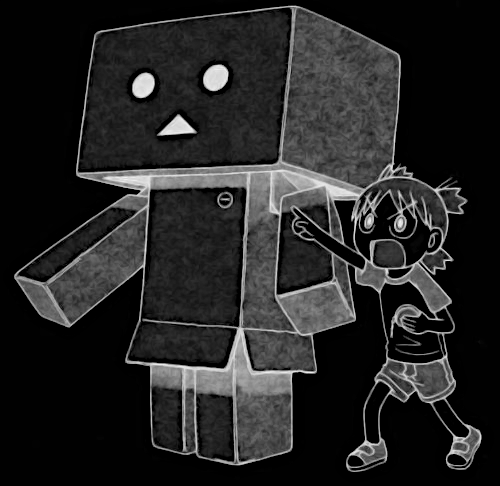
フォロー

◁
◂
勉強
◂
◁
第一話
英語
Patching Up
分析
フォロー
フォロー
読み方:フォロー
noun
suru-verb
1.
follow
noun
suru-verb
computing
2.
following (on social media, esp. Twitter)
noun
suru-verb
abbreviation
3.
follow-up; following up
noun
suru-verb
4.
backing-up; covering for; patching things up; support
noun
suru-verb
sports
5.
follow-up shot
noun
abbreviation
6.
tailwind; following wind
ノート
The font here makes the ロ look kind of strange to learners, but this is just how the kana looks in a more script-like font.
1コマ

おおさか
毎年クリスマスになると思うねんけどな
英語
Every Christmas, I get ta' thinkin' thinking...
分析
毎年
クリスマス
になると
思う
ねん
けど
な
毎年
書き方:毎年
読み方:まいとし, まいねん
adverb
noun
1.
every year; yearly; annually
クリスマス
読み方:クリスマス
noun
1.
Christmas
になると
読み方:になると
expression
1.
when it becomes; when it comes to
思う
書き方:思う
読み方:おもう
活用形:plain non-past
godan-u-verb
transitive-verb
1.
to think; to consider; to believe; to reckon
想う has connotations of heart-felt
godan-u-verb
transitive-verb
2.
to think (of doing); to plan (to do)
godan-u-verb
transitive-verb
3.
to judge; to assess; to regard
godan-u-verb
transitive-verb
4.
to imagine; to suppose; to dream
godan-u-verb
transitive-verb
5.
to expect; to look forward to
godan-u-verb
transitive-verb
6.
to feel; to be (in a state of mind); to desire; to want
godan-u-verb
transitive-verb
7.
to recall; to remember
ねん
読み方:ねん
particle
kansai
1.
indicates emphasis
at sentence-end
けど
読み方:けど, けれど, けれども
conjunction
particle
1.
but; however; although
な
読み方:な
particle
1.
don't
prohibitive; used with dictionary form verb
particle
2.
do
imperative (from なさい); used with -masu stem of verb
interjection
3.
hey; listen; you
particle
4.
now, ...; well, ...; I tell you!; you know
when seeking confirmation, for emphasis, etc.; used at sentence end
particle
5.
wow; ooh
used to express admiration, emotionality, etc.; used at sentence end
2コマ
おおさか
赤鼻のトナカイやけどやー
英語
Y'know Rudolph the Red-Nosed Reindeer?
分析
赤鼻のトナカイ
や
けど
やー
赤鼻のトナカイ
書き方:赤鼻のトナカイ
読み方:あかはなのトナカイ
noun
1.
Rudolph the Red-Nosed Reindeer
や
読み方:や
particle
1.
such things as ...; and ... and
used for non-exhaustive lists related to a specific time and place
particle
2.
the minute (that) ...; no sooner than ...; as soon as
after the dictionary form of a verb
copula
kansai
3.
be; is
interjection
4.
o; oh
punctuational exclamation in haiku, renga, etc.
interjection
5.
huh; what
interjection expressing surprise
interjection
masculine
6.
hi
けど
読み方:けど, けれど, けれども
conjunction
particle
1.
but; however; although
やー
読み方:や
particle
1.
such things as ...; and ... and
used for non-exhaustive lists related to a specific time and place
particle
2.
the minute (that) ...; no sooner than ...; as soon as
after the dictionary form of a verb
copula
kansai
3.
be; is
interjection
4.
o; oh
punctuational exclamation in haiku, renga, etc.
interjection
5.
huh; what
interjection expressing surprise
interjection
masculine
6.
hi
あれはひどいやんなあ
英語
It's messed up, ain't it?
分析
あれ
は
ひどい
やん
なあ
あれ
書き方:彼
読み方:あれ
pronoun
usually-kana
1.
that; that thing
indicating something distant from both speaker and listener (in space, time or psychologically), or something understood without naming it directly
pronoun
usually-kana
2.
that person
used to refer to one's equals or inferiors
pronoun
usually-kana
3.
then; that time
pronoun
usually-kana
4.
that place (over there)
noun
colloquialism
5.
down there (i.e. one's genitals)
noun
colloquialism
6.
period; menses
は
読み方:は
particle
1.
topic marker particle
pronounced わ in modern Japanese
particle
2.
indicates contrast with another option (stated or unstated)
particle
3.
adds emphasis
ひどい
書き方:酷い
読み方:ひどい
活用形:non-past
adjective
usually-kana
1.
cruel; heartless; hard; harsh; severe
adjective
usually-kana
2.
violent; intense; strong; heavy; extreme
adjective
usually-kana
3.
very bad; terrible; awful
adjective
usually-kana
4.
excessive; exorbitant; unreasonable; outrageous; unfair; unjust
やん
読み方:やん
particle
kansai
1.
Indicates emphasis
at sentence end
なあ
読み方:なあ, なー
interjection
familiar
1.
hey; say; look
used to get someone's attention or press one's point
3コマ
おおさか
暗い夜道はピカピカの鼻が役に立つってそれフォローちゃうで
英語
反訳
It wouldn't make him feel better that his shiny nose could be useful on a dark night journey.
直訳
It doesn't follow that his shiny nose could be useful on a dark night journey.
分析
暗い
夜道
は
ピカピカ
の
鼻
が
役に立つ
って
それ
フォロー
ちゃう
で
暗い
書き方:暗い
読み方:くらい
活用形:non-past
adjective
1.
dark; gloomy; murky
adjective
2.
depressed; dispirited; down in the dumps; dark (mood)
adjective
3.
dark (in colour); dull
adjective
4.
ill-boding; dark (e.g. past); suspicious
adjective
5.
unlikely (to succeed); hopeless; unpromising
adjective
6.
unfamiliar (with); ignorant (of)
as 〜に暗い
夜道
書き方:夜道
読み方:よみち
noun
1.
street at night; making a night journey
は
読み方:は
particle
1.
topic marker particle
pronounced わ in modern Japanese
particle
2.
indicates contrast with another option (stated or unstated)
particle
3.
adds emphasis
ピカピカ
読み方:ピカピカ, ぴかぴか
adverb-taking-to-particle
adverb
no-adjective
adjectival-noun
suru-verb
onomatopoeia
1.
with a glitter; with a sparkle
ピッカピカ and ビカビカ are more emphatic
no-adjective
adjectival-noun
onomatopoeia
2.
brand new; shiny and new
の
読み方:の
particle
1.
indicates possessive
occasionally ん, orig. written 乃 or 之
particle
2.
nominalizes verbs and adjectives
particle
3.
substitutes for "ga" in subordinate phrases
particle
4.
(at sentence-end, falling tone) indicates a confident conclusion
often ん
particle
femanine
5.
(at sentence-end) indicates emotional emphasis
particle
6.
(at sentence-end, rising tone) indicates question
鼻
書き方:鼻
読み方:はな
noun
1.
nose
が
読み方:が
particle
1.
indicates sentence subject (occasionally object)
particle
2.
indicates possessive (esp. in literary expressions)
conjunction
3.
but; however; still; and
conjunction
4.
regardless of; whether (or not)
after the volitional form of a verb
役に立つ
書き方:役に立つ, 役にたつ
読み方:やくにたつ
活用形:plain non-past
expression
godan-tsu-verb
1.
to be helpful; to be useful
って
読み方:って, て
particle
1.
you said; he said; she said; they said
casual quoting particle
particle
2.
if ... then
as たって; indicates supposition
particle
3.
do you seriously think that
as かって; indicates a satirical or rhetorical question
particle
4.
I already told you; you should know by now that; of course
indicates certainty, insistence, emphasis, etc.
particle
5.
the said ...; said ...
abbr. of という
particle
6.
says that ...
abbr. of と言っている
particle
7.
I hear that ...
abbr. of と聞いている
particle
8.
as for the term ...
abbr. of とは, というのは
particle
9.
as for ...
equiv. of は topic marker
それ
書き方:其れ
読み方:それ
pronoun
usually-kana
1.
that; it
indicating an item or person near the listener, the action of the listener, or something on their mind
pronoun
usually-kana
2.
then; that point (in time); that time
フォロー
読み方:フォロー
noun
suru-verb
1.
follow
noun
suru-verb
computing
2.
following (on social media, esp. Twitter)
noun
suru-verb
abbreviation
3.
follow-up; following up
noun
suru-verb
4.
backing-up; covering for; patching things up; support
noun
suru-verb
sports
5.
follow-up shot
noun
abbreviation
6.
tailwind; following wind
ちゃう
読み方:ちゃう
kansai
1.
no; that's wrong; it's not like that
expression
kansai
2.
isn't it?; wasn't it?
で
読み方:で, にて
particle
1.
at; in
indicates location of action; にて is the formal literary form
particle
2.
at; when
indicates time of action
particle
3.
by; with
indicates means of action
conjunction
4.
and then; so
auxiliary
5.
and; then
indicates continuing action; alternative form of 〜て used for some verb types
particle
kansai
6.
let me tell you; don't you know
at sentence-end; indicates certainty, emphasis, etc.
ノート
In English we similarly say “doesn’t follow” for when one thing leading to another doesn’t make sense. But I want to emphasize that the reason it “doesn’t follow” is because it wouldn’t necessarily make him feel better.
It feels a bit odd just saying “doesn’t follow” to me.
よみ
まーな
英語
Well, yeah...
分析
まー
な
まー
読み方:まあ, まー, まぁ
adverb
1.
just (e.g. "just wait here"); come now; now, now
when urging or consoling
adverb
2.
tolerably; passably; moderately; reasonably; fairly; rather; somewhat
adverb
3.
well...; I think...; it would seem...; you might say...; Hmmm, I guess so...
when hesitating to express an opinion
interjection
femanine
4.
oh!; oh dear!; oh, my!; wow!; goodness gracious!; good heavens!
な
読み方:な
particle
1.
don't
prohibitive; used with dictionary form verb
particle
2.
do
imperative (from なさい); used with -masu stem of verb
interjection
3.
hey; listen; you
particle
4.
now, ...; well, ...; I tell you!; you know
when seeking confirmation, for emphasis, etc.; used at sentence end
particle
5.
wow; ooh
used to express admiration, emotionality, etc.; used at sentence end
4コマ
おおさか
ハゲのおっさんに夜道で役立つゆーたら殴られるで
英語
If you told a bald guy they could be useful on a night journey, you'd get hit!
分析
ハゲ
の
おっさん
に
夜道
で
役立つ
ゆー
たら
殴られる
で
ハゲ
書き方:禿
読み方:はげ
noun
1.
baldness; bald head
noun
usually-kana
derogatory
2.
bald person; baldy
noun
jocular-term
usually-kana
derogatory
3.
idiot; moron
の
読み方:の
particle
1.
indicates possessive
occasionally ん, orig. written 乃 or 之
particle
2.
nominalizes verbs and adjectives
particle
3.
substitutes for "ga" in subordinate phrases
particle
4.
(at sentence-end, falling tone) indicates a confident conclusion
often ん
particle
femanine
5.
(at sentence-end) indicates emotional emphasis
particle
6.
(at sentence-end, rising tone) indicates question
おっさん
読み方:おっさん
noun
familiar
derogatory
1.
middle-aged man
noun
familiar
2.
Buddhist priest
に
読み方:に
particle
1.
at (place, time); in; on; during
particle
2.
to (direction, state); toward; into
particle
3.
for (purpose)
particle
4.
because of (reason); for; with
particle
5.
by; from
particle
6.
as (i.e. in the role of)
particle
7.
per; in; for; a (e.g. "once a month")
particle
8.
and; in addition to
夜道
書き方:夜道
読み方:よみち
noun
1.
street at night; making a night journey
で
読み方:で, にて
particle
1.
at; in
indicates location of action; にて is the formal literary form
particle
2.
at; when
indicates time of action
particle
3.
by; with
indicates means of action
conjunction
4.
and then; so
auxiliary
5.
and; then
indicates continuing action; alternative form of 〜て used for some verb types
particle
kansai
6.
let me tell you; don't you know
at sentence-end; indicates certainty, emphasis, etc.
役立つ
書き方:役立つ
読み方:やくだつ
活用形:plain non-past
godan-tsu-verb
intransitive-verb
1.
to be useful; to be helpful; to serve the purpose
ゆー
書き方:言う, 云う
読み方:いう, ゆう
活用形:plain non-past
godan-u-verb
1.
to say; to utter; to declare
godan-u-verb
2.
to name; to call
godan-u-verb
3.
to go (e.g. "the alarm went ping"); to make a noise
たら
読み方:たら, ったら
conjunction
particle
1.
indicates supposition; if ... then; when; after
particle
2.
(typically after someone's name) indicates exasperation
usu. ったら
殴られる
書き方:殴る
読み方:なぐる
活用形:passive non-past
godan-ru-verb
transitive-verb
1.
to strike; to hit; to beat; to punch
で
読み方:で, にて
particle
1.
at; in
indicates location of action; にて is the formal literary form
particle
2.
at; when
indicates time of action
particle
3.
by; with
indicates means of action
conjunction
4.
and then; so
auxiliary
5.
and; then
indicates continuing action; alternative form of 〜て used for some verb types
particle
kansai
6.
let me tell you; don't you know
at sentence-end; indicates certainty, emphasis, etc.
ノート
The joke is just that their head would “light the way” because they’re bald, so it’s reflective.
サンタもひどい事言いようで
英語
Santa can say some pretty awful things.
分析
サンタ
も
ひどい
事
言い
よう
で
サンタ
読み方:サンタ
noun
1.
Santa; Santa Claus
も
読み方:も
particle
1.
too; also; in addition; as well; (not) either (in a negative sentence)
particle
2.
both A and B; A as well as B; neither A nor B (in a negative sentence)
as AもBも
particle
3.
even; as much as; as many as; as far as; as long as; no less than; no fewer than
used for emphasis or to express absence of doubt regarding a quantity, etc.
particle
4.
even if; even though; although; in spite of
often as 〜ても, 〜でも, 〜とも, etc.
adverb
colloquialism
abbreviation
5.
further; more; again; another; the other
ひどい
書き方:酷い
読み方:ひどい
活用形:non-past
adjective
usually-kana
1.
cruel; heartless; hard; harsh; severe
adjective
usually-kana
2.
violent; intense; strong; heavy; extreme
adjective
usually-kana
3.
very bad; terrible; awful
adjective
usually-kana
4.
excessive; exorbitant; unreasonable; outrageous; unfair; unjust
事
書き方:事
読み方:こと
noun
usually-kana
1.
thing; matter
noun
usually-kana
2.
incident; occurrence; event; something serious; trouble; crisis
noun
usually-kana
3.
circumstances; situation; state of affairs
noun
usually-kana
4.
work; business; affair
noun
usually-kana
5.
after an inflectable word, creates a noun phrase indicating something the speaker does not feel close to
noun-suffix
usually-kana
6.
nominalizing suffix
noun-suffix
usually-kana
7.
pretending to ...; playing make-believe ...
noun
usually-kana
8.
alias; also known as; otherwise known as; or
as AことB (A = alias, B = real name)
noun
usually-kana
9.
necessity; need
as 〜ことはない
noun
usually-kana
10.
you should ...; I advise that you ...; it's important to ...
as 〜ことだ
言い
書き方:言う, 云う
読み方:いう, ゆう
活用形:stem-form
godan-u-verb
1.
to say; to utter; to declare
godan-u-verb
2.
to name; to call
godan-u-verb
3.
to go (e.g. "the alarm went ping"); to make a noise
よう
書き方:様
読み方:よう
noun-suffix
noun
usually-kana
1.
appearing ...; looking ...
usu. after the -masu stem of a verb
noun-suffix
noun
2.
way to ...; method of ...ing
usu. after the -masu stem of a verb
noun-suffix
noun
3.
form; style; design
usu. after a noun
noun-suffix
noun
4.
like; similar to
usu. after a noun
noun
5.
thing (thought or spoken)
で
読み方:で, にて
particle
1.
at; in
indicates location of action; にて is the formal literary form
particle
2.
at; when
indicates time of action
particle
3.
by; with
indicates means of action
conjunction
4.
and then; so
auxiliary
5.
and; then
indicates continuing action; alternative form of 〜て used for some verb types
particle
kansai
6.
let me tell you; don't you know
at sentence-end; indicates certainty, emphasis, etc.

ちよ
ほんとです その通りです
英語
Oh wow, that's true!
分析
ほんと
です
その
通り
です
ほんと
書き方:本当
読み方:ほんとう, ホント
noun
no-adjective
adjectival-noun
1.
truth; reality; actuality; fact
no-adjective
adjectival-noun
2.
proper; right; correct; official
no-adjective
adjectival-noun
3.
genuine; authentic; real; natural; veritable
です
読み方:です
expression
polite
1.
be; is
polite copula
その
書き方:其の
読み方:その
prenoun-adjectival
usually-kana
1.
that; the
something or someone distant from the speaker, close to the listener; actions of the listener, or ideas expressed or understood by the listener
prenoun-adjectival
usually-kana
2.
part (as in "part two")
preceding a number
interjection
3.
um ...; er ...; uh ...
通り
書き方:通り
読み方:どおり
noun-suffix
1.
in accordance with; following
noun-suffix
2.
roughly; about
noun-suffix
3.
Street; Avenue
です
読み方:です
expression
polite
1.
be; is
polite copula
第二話
にせもん?
英語
A Fake?
分析
にせもん
?
にせもん
書き方:偽物
読み方:にせもの, にせもん
noun
1.
spurious article; forgery; counterfeit; imitation; sham
1コマ
Empty Cell
2コマ
おおさか
でもトナカイもトナカイやで!
英語
But a reindeer is a reindeer!
分析
でも
トナカイ
も
トナカイ
や
で
!
でも
読み方:でも
conjunction
1.
but; however; though; nevertheless; still; yet; even so; also; as well
particle
2.
even
particle
3.
however; no matter how; even if; even though
particle
4.
... or something
particle
5.
either ... or ...; neither ... nor ...
as 〜でも〜でも
prefix
6.
pseudo-; quack; in-name-only
before an occupation, etc.
prefix
7.
for lack of anything better to do
before an occupation, etc.
トナカイ
書き方:馴鹿
読み方:となかい, トナカイ
noun
usually-kana
1.
reindeer (Rangifer tarandus)
も
読み方:も
particle
1.
too; also; in addition; as well; (not) either (in a negative sentence)
particle
2.
both A and B; A as well as B; neither A nor B (in a negative sentence)
as AもBも
particle
3.
even; as much as; as many as; as far as; as long as; no less than; no fewer than
used for emphasis or to express absence of doubt regarding a quantity, etc.
particle
4.
even if; even though; although; in spite of
often as 〜ても, 〜でも, 〜とも, etc.
adverb
colloquialism
abbreviation
5.
further; more; again; another; the other
トナカイ
書き方:馴鹿
読み方:となかい, トナカイ
noun
usually-kana
1.
reindeer (Rangifer tarandus)
や
読み方:や
particle
1.
such things as ...; and ... and
used for non-exhaustive lists related to a specific time and place
particle
2.
the minute (that) ...; no sooner than ...; as soon as
after the dictionary form of a verb
copula
kansai
3.
be; is
interjection
4.
o; oh
punctuational exclamation in haiku, renga, etc.
interjection
5.
huh; what
interjection expressing surprise
interjection
masculine
6.
hi
で
読み方:で, にて
particle
1.
at; in
indicates location of action; にて is the formal literary form
particle
2.
at; when
indicates time of action
particle
3.
by; with
indicates means of action
conjunction
4.
and then; so
auxiliary
5.
and; then
indicates continuing action; alternative form of 〜て used for some verb types
particle
kansai
6.
let me tell you; don't you know
at sentence-end; indicates certainty, emphasis, etc.
よみ
まだ考えてたんかい
英語
You're still thinking about that?
分析
まだ
考えて
た
ん
かい
まだ
書き方:未だ
読み方:まだ
adverb
usually-kana
1.
still; as yet; only
adverb
usually-kana
2.
(not) yet
with verb in the negative
adverb
usually-kana
3.
more; (more) still
adverb
usually-kana
4.
at least; comparatively; relatively
adjectival-noun
usually-kana
5.
unfinished; incomplete; not yet done
考えて
書き方:考える
読み方:かんがえる
活用形:te-form
ichidan-verb
transitive-verb
1.
to think (about, of); to think over; to ponder; to contemplate; to reflect (on); to meditate (on)
ichidan-verb
transitive-verb
2.
to consider; to bear in mind; to allow for; to take into consideration
ichidan-verb
transitive-verb
3.
to think (that); to believe; to hold (a view); to judge; to conclude; to suspect
ichidan-verb
transitive-verb
4.
to intend (to do); to think of (doing); to plan
ichidan-verb
transitive-verb
5.
to predict; to anticipate; to expect; to imagine
ichidan-verb
transitive-verb
6.
to come up with; to think up; to contrive; to devise
ichidan-verb
transitive-verb
7.
to consider (as); to regard (as); to look on (as); to take; to view
た
書き方:居る
読み方:いる
活用形:plain past
ichidan-verb
intransitive-verb
usually-kana
1.
to be (of animate objects); to exist
ichidan-verb
intransitive-verb
usually-kana
2.
to stay
ichidan-verb
auxiliary-verb
usually-kana
3.
to be ...-ing; to have been ...-ing
after the -te form of a verb; indicates continuing action or state
ん
読み方:ん
1.
oh!; good heavens!
2.
ugh!; oh no!
3.
ah!; the penny drops!
4.
yes!; okay!
5.
yes; yeah; uh huh
6.
huh?; what?
auxiliary-verb
suffix
7.
not
negative verb ending used in informal speech; abbr. of negative verb ending ぬ
particle
8.
's; of; belonging to
abbr. of particle の; indicates possessive
particle
9.
at (place, time); in; on; during
abbr. of particle に; used esp. when it precedes the verb なる
かい
読み方:かい
particle
familiar
1.
yes?; no?; isn't it?; is it?
used at sentence-end; indicates a question (sometimes rhetorical)
kansai
2.
command (do ...)
used at the end of a negative verb
3コマ
おおさか
夜道をてらす鼻ってどんなん!?
英語
What kinda nose lights up!?
分析
夜道
を
てらす
鼻
って
どんな
ん
!
?
夜道
書き方:夜道
読み方:よみち
noun
1.
street at night; making a night journey
を
読み方:を
particle
1.
indicates direct object of action
particle
2.
indicates subject of causative expression
particle
3.
indicates an area traversed
particle
4.
indicates time (period) over which action takes place
particle
5.
indicates point of departure or separation of action
particle
6.
indicates object of desire, like, hate, etc.
てらす
書き方:照らす
読み方:てらす
活用形:plain non-past
godan-su-verb
transitive-verb
1.
to shine on; to illuminate
godan-su-verb
transitive-verb
2.
to compare (with); to refer to
鼻
書き方:鼻
読み方:はな
noun
1.
nose
って
読み方:って, て
particle
1.
you said; he said; she said; they said
casual quoting particle
particle
2.
if ... then
as たって; indicates supposition
particle
3.
do you seriously think that
as かって; indicates a satirical or rhetorical question
particle
4.
I already told you; you should know by now that; of course
indicates certainty, insistence, emphasis, etc.
particle
5.
the said ...; said ...
abbr. of という
particle
6.
says that ...
abbr. of と言っている
particle
7.
I hear that ...
abbr. of と聞いている
particle
8.
as for the term ...
abbr. of とは, というのは
particle
9.
as for ...
equiv. of は topic marker
どんな
読み方:どんな
prenoun-adjectival
1.
what kind of; what sort of; what
prenoun-adjectival
2.
no matter what (kind of); whatever; any; all
as どんな...でも, どんな...も, etc.
ん
読み方:ん
1.
oh!; good heavens!
2.
ugh!; oh no!
3.
ah!; the penny drops!
4.
yes!; okay!
5.
yes; yeah; uh huh
6.
huh?; what?
auxiliary-verb
suffix
7.
not
negative verb ending used in informal speech; abbr. of negative verb ending ぬ
particle
8.
's; of; belonging to
abbr. of particle の; indicates possessive
particle
9.
at (place, time); in; on; during
abbr. of particle に; used esp. when it precedes the verb なる
なんでそんな事に!?
英語
Why is it like that!?
分析
なんで
そんな
事
に
!
?
なんで
書き方:何で
読み方:なんで
adverb
usually-kana
1.
why?; what for?
adverb
2.
how?; by what means?
そんな
読み方:そんな
prenoun-adjectival
1.
such; that sort of; that kind of; like that
about the actions of the listener, or about ideas expressed or understood by the listener
interjection
colloquialism
2.
no way!; never!
事
書き方:事
読み方:こと
noun
usually-kana
1.
thing; matter
noun
usually-kana
2.
incident; occurrence; event; something serious; trouble; crisis
noun
usually-kana
3.
circumstances; situation; state of affairs
noun
usually-kana
4.
work; business; affair
noun
usually-kana
5.
after an inflectable word, creates a noun phrase indicating something the speaker does not feel close to
noun-suffix
usually-kana
6.
nominalizing suffix
noun-suffix
usually-kana
7.
pretending to ...; playing make-believe ...
noun
usually-kana
8.
alias; also known as; otherwise known as; or
as AことB (A = alias, B = real name)
noun
usually-kana
9.
necessity; need
as 〜ことはない
noun
usually-kana
10.
you should ...; I advise that you ...; it's important to ...
as 〜ことだ
に
読み方:に
particle
1.
at (place, time); in; on; during
particle
2.
to (direction, state); toward; into
particle
3.
for (purpose)
particle
4.
because of (reason); for; with
particle
5.
by; from
particle
6.
as (i.e. in the role of)
particle
7.
per; in; for; a (e.g. "once a month")
particle
8.
and; in addition to
4コマ
おおさか
もしかしたら そいつ トナカイとちゃうで!?
英語
Maybe he's not even a reindeer!?
分析
もしかしたら
そいつ
トナカイ
と
ちゃう
で
!
?
もしかしたら
書き方:若しかしたら
読み方:もしかしたら
expression
adverb
usually-kana
1.
perhaps; maybe; perchance; by some chance; by any chance
そいつ
書き方:其奴
読み方:そいつ
pronoun
usually-kana
colloquialism
derogatory
1.
he; she; that person; that guy; that fellow
pronoun
usually-kana
colloquialism
derogatory
2.
that; that one; that thing
トナカイ
書き方:馴鹿
読み方:となかい, トナカイ
noun
usually-kana
1.
reindeer (Rangifer tarandus)
と
読み方:と
particle
conjunction
1.
if; when
particle
conjunction
2.
and
particle
3.
with
particle
4.
used for quoting (thoughts, speech, etc.)
noun
shogi
abbreviation
5.
promoted pawn
particle
kyuushuu
6.
indicates a question
at sentence end
ちゃう
読み方:ちゃう
kansai
1.
no; that's wrong; it's not like that
expression
kansai
2.
isn't it?; wasn't it?
で
読み方:で, にて
particle
1.
at; in
indicates location of action; にて is the formal literary form
particle
2.
at; when
indicates time of action
particle
3.
by; with
indicates means of action
conjunction
4.
and then; so
auxiliary
5.
and; then
indicates continuing action; alternative form of 〜て used for some verb types
particle
kansai
6.
let me tell you; don't you know
at sentence-end; indicates certainty, emphasis, etc.
なんか別の…
英語
Maybe he's somethin' else...
分析
なんか
別
の
…
なんか
読み方:なんか
particle
adverb
1.
something like ...; things like ...; someone like ...; the likes of ...
oft. scornful or dismissive
別
書き方:別
読み方:べつ
noun
1.
distinction; difference; discrimination
no-adjective
adjectival-noun
noun
2.
separate; different; another; extra
noun
3.
exception; exclusion
oft. as 別として
noun-suffix
4.
classified by; ranked by; according to
の
読み方:の
particle
1.
indicates possessive
occasionally ん, orig. written 乃 or 之
particle
2.
nominalizes verbs and adjectives
particle
3.
substitutes for "ga" in subordinate phrases
particle
4.
(at sentence-end, falling tone) indicates a confident conclusion
often ん
particle
femanine
5.
(at sentence-end) indicates emotional emphasis
particle
6.
(at sentence-end, rising tone) indicates question
ちよ
はぁー
英語
Huh?
Having trouble with the vocabulary?
Download the Azumanga Daioh Anki Deck!
It covers the posted translations, and is updated each time a new one is posted!
Download the Azumanga Daioh Anki Deck!
It covers the posted translations, and is updated each time a new one is posted!