じくじ
◁
◂
勉強
◂
◁
第一話
英語
Shameful
分析
じくじ
じくじ
書き方:忸怩
読み方:じくじ
taru-adjective
adverb-taking-to-particle
1.
bashful; shameful; ashamed
1コマ
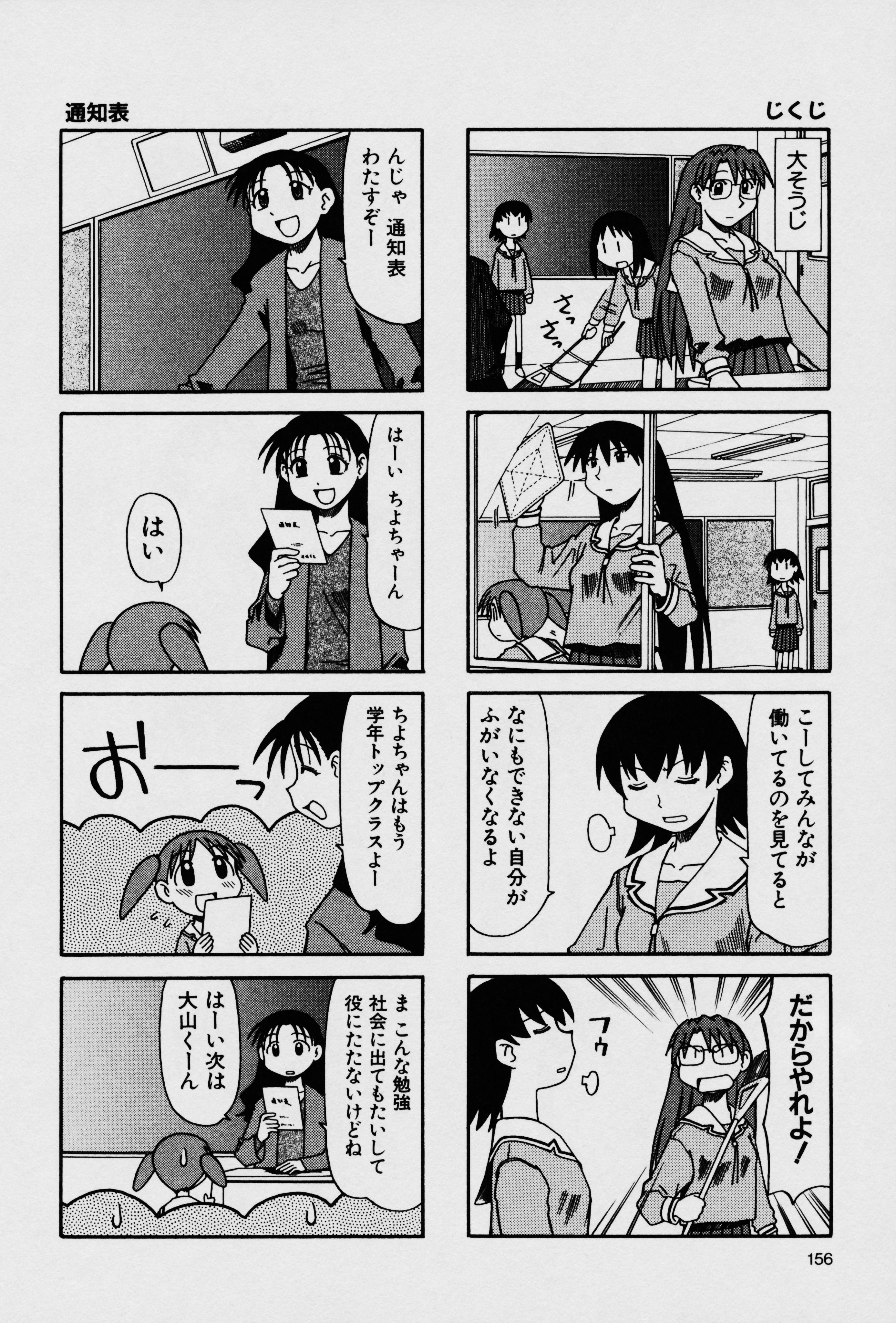
大そうじ
英語
Deep cleaning
分析
大そうじ
大そうじ
書き方:大掃除, 大そうじ
読み方:おおそうじ
noun
suru-verb
1.
major cleanup; spring cleaning
ノート
A similar thing to what we call “Spring cleaning” - though, I don’t want to call it that here, because it’s not Spring. “Deep cleaning” felt alright, though.
さっ さっ
英語
*sweep sweep*
2コマ
Empty Cell
3コマ

とも
こーしてみんなが働いてるのを見てると
英語
When I watch everyone working like this...
分析
こー
して
みんな
が
働いて
る
の
を
見て
る
と
こー
書き方:斯う
読み方:こう
adverb
usually-kana
1.
in this way; thus; such
used for something or someone close to the speaker, including the speaker himself, or for the opinions of the speaker
interjection
usually-kana
2.
uh...
interjection used as a verbal pause
して
書き方:為る
読み方:する
活用形:te-form
included-suru-verb
usually-kana
1.
to do; to carry out; to perform
included-suru-verb
usually-kana
2.
to cause to become; to make (into); to turn (into)
included-suru-verb
usually-kana
3.
to serve as; to act as; to work as
included-suru-verb
usually-kana
4.
to wear (clothes, a facial expression, etc.)
included-suru-verb
usually-kana
5.
to judge as being; to view as being; to think of as; to treat as; to use as
as 〜にする,〜とする
included-suru-verb
usually-kana
6.
to decide on; to choose
as 〜にする
included-suru-verb
intransitive-verb
usually-kana
7.
to be sensed (of a smell, noise, etc.)
as 〜がする
included-suru-verb
intransitive-verb
usually-kana
8.
to be (in a state, condition, etc.)
included-suru-verb
intransitive-verb
usually-kana
9.
to be worth; to cost
included-suru-verb
intransitive-verb
usually-kana
10.
to pass (of time); to elapse
included-suru-verb
transitive-verb
usually-kana
11.
to place, or raise, person A to a post or status B
as AをBにする
included-suru-verb
transitive-verb
usually-kana
12.
to transform A to B; to make A into B; to exchange A for B
as AをBにする
included-suru-verb
transitive-verb
usually-kana
13.
to make use of A for B; to view A as B; to handle A as if it were B
as AをBにする
included-suru-verb
transitive-verb
usually-kana
14.
to feel A about B
as AをBにする
suffix
included-suru-verb
usually-kana
15.
verbalizing suffix (applies to nouns noted in this dictionary with the part of speech "vs")
auxiliary-verb
included-suru-verb
usually-kana
16.
creates a humble verb (after a noun prefixed with "o" or "go")
auxiliary-verb
included-suru-verb
usually-kana
17.
to be just about to; to be just starting to; to try to; to attempt to
as 〜うとする,〜ようとする
みんな
書き方:皆
読み方:みんな, みな
noun
pronoun
adverb
usually-kana
1.
everyone; everybody; all
noun
adverb
usually-kana
2.
everything; all
が
読み方:が
particle
1.
indicates sentence subject (occasionally object)
particle
2.
indicates possessive (esp. in literary expressions)
conjunction
3.
but; however; still; and
conjunction
4.
regardless of; whether (or not)
after the volitional form of a verb
働いて
書き方:働く
読み方:はたらく
活用形:te-form
godan-ku-verb
intransitive-verb
1.
to work; to labor; to labour
godan-ku-verb
intransitive-verb
2.
to function; to operate; to be effective; to work (i.e. ... works); to come into play
godan-ku-verb
intransitive-verb
3.
to commit (e.g. a crime); to perpetrate; to do; to act; to practise; to practice
godan-ku-verb
intransitive-verb
linguistics
4.
to be conjugated
る
書き方:居る
読み方:いる
活用形:plain non-past
ichidan-verb
intransitive-verb
usually-kana
1.
to be (of animate objects); to exist
ichidan-verb
intransitive-verb
usually-kana
2.
to stay
ichidan-verb
auxiliary-verb
usually-kana
3.
to be ...-ing; to have been ...-ing
after the -te form of a verb; indicates continuing action or state
の
読み方:の
particle
1.
indicates possessive
occasionally ん, orig. written 乃 or 之
particle
2.
nominalizes verbs and adjectives
particle
3.
substitutes for "ga" in subordinate phrases
particle
4.
(at sentence-end, falling tone) indicates a confident conclusion
often ん
particle
femanine
5.
(at sentence-end) indicates emotional emphasis
particle
6.
(at sentence-end, rising tone) indicates question
を
読み方:を
particle
1.
indicates direct object of action
particle
2.
indicates subject of causative expression
particle
3.
indicates an area traversed
particle
4.
indicates time (period) over which action takes place
particle
5.
indicates point of departure or separation of action
particle
6.
indicates object of desire, like, hate, etc.
見て
書き方:見る, 観る, 視る
読み方:みる
活用形:te-form
ichidan-verb
transitive-verb
1.
to see; to look; to watch; to view; to observe
ichidan-verb
transitive-verb
2.
to examine; to look over; to assess; to check; to judge
ichidan-verb
transitive-verb
3.
to look after; to attend to; to take care of; to keep an eye on
ichidan-verb
transitive-verb
4.
to experience; to meet with (misfortune, success, etc.)
auxiliary-verb
ichidan-verb
usually-kana
5.
to try ...; to have a go at ...; to give ... a try
after the -te form of a verb
auxiliary-verb
ichidan-verb
usually-kana
6.
to see (that) ...; to find (that) ...
as 〜てみると, 〜てみたら, 〜てみれば, etc.
る
書き方:居る
読み方:いる
活用形:plain non-past
ichidan-verb
intransitive-verb
usually-kana
1.
to be (of animate objects); to exist
ichidan-verb
intransitive-verb
usually-kana
2.
to stay
ichidan-verb
auxiliary-verb
usually-kana
3.
to be ...-ing; to have been ...-ing
after the -te form of a verb; indicates continuing action or state
と
読み方:と
particle
conjunction
1.
if; when
particle
conjunction
2.
and
particle
3.
with
particle
4.
used for quoting (thoughts, speech, etc.)
noun
shogi
abbreviation
5.
promoted pawn
particle
kyuushuu
6.
indicates a question
at sentence end
なにもできない自分がふがいなくなるよ
英語
Not doing anything myself makes me feel like a good-for-nothing.
分析
なにも
できない
自分
が
ふがいなく
なる
よ
なにも
書き方:何も
読み方:なにも
expression
1.
(not) anything; (nothing) at all; (not) any; nothing
with neg. verb
expression
2.
and everything else; and all
as ...も何も
expression
3.
(not) at all; (not) in the least; (not) especially; (not) to that extent
as ...なくてもいい, ...ことはない, etc.
できない
書き方:出来る
読み方:できる
活用形:negative non-past
ichidan-verb
intransitive-verb
usually-kana
1.
to be able (in a position) to do; to be up to the task
ichidan-verb
intransitive-verb
usually-kana
2.
to be ready; to be completed
ichidan-verb
intransitive-verb
usually-kana
3.
to be made; to be built
ichidan-verb
intransitive-verb
usually-kana
4.
to be good at; to be permitted (to do)
ichidan-verb
intransitive-verb
usually-kana
5.
to become intimate; to take up (with somebody)
ichidan-verb
intransitive-verb
usually-kana
6.
to grow; to be raised
ichidan-verb
intransitive-verb
usually-kana
7.
to become pregnant
自分
書き方:自分
読み方:じぶん
pronoun
1.
myself; yourself; oneself; himself; herself
pronoun
2.
I; me
pronoun
kansai
3.
you
が
読み方:が
particle
1.
indicates sentence subject (occasionally object)
particle
2.
indicates possessive (esp. in literary expressions)
conjunction
3.
but; however; still; and
conjunction
4.
regardless of; whether (or not)
after the volitional form of a verb
ふがいなく
書き方:不甲斐ない, 腑甲斐ない, 腑甲斐無い
読み方:ふがいない
活用形:adverbial
adjective
1.
good-for-nothing; spineless; gutless; spiritless; feckless; pluckless; cowardly; tame; timid; pathetic; pitiful; disappointing; shameful; useless; worthless
なる
書き方:成る
読み方:なる
活用形:plain non-past
godan-ru-verb
intransitive-verb
usually-kana
1.
to become; to get; to grow; to turn; to reach; to attain
godan-ru-verb
intransitive-verb
usually-kana
2.
to result in; to turn out; to end up; to prove (to be)
godan-ru-verb
intransitive-verb
usually-kana
3.
to consist of; to be composed of; to be made up of
as ...からなる or ...よりなる
godan-ru-verb
intransitive-verb
usually-kana
4.
to be completed; to be realized; to succeed; to be attained; to be accomplished
godan-ru-verb
intransitive-verb
usually-kana
5.
to change (into); to turn (into); to transform
godan-ru-verb
intransitive-verb
usually-kana
6.
to come (to do); to begin (to do); to grow (to do)
godan-ru-verb
intransitive-verb
usually-kana
7.
to come to; to amount to; to add up to; to make
godan-ru-verb
intransitive-verb
usually-kana
8.
to play (the part of); to act as
godan-ru-verb
intransitive-verb
usually-kana
9.
to be used for; to be useful for; to serve as
godan-ru-verb
intransitive-verb
shogi
10.
to be promoted
auxiliary-verb
godan-ru-verb
honorific
usually-kana
11.
to do ...
as お + masu stem + になる or ご + noun+ になる
よ
読み方:よ
particle
1.
hey; you
at sentence-end; indicates certainty, emphasis, contempt, request, etc.
particle
2.
hey
after a noun; used when calling out to someone
particle
3.
hey; hold on
in mid-sentence; used to catch one's breath or get someone's attention
interjection
4.
yo; hey
4コマ

よみ
だからやれよ!
英語
THEN DO SOMETHING!
分析
だから
やれよ
!
だから
読み方:だから
conjunction
1.
so; therefore; accordingly; consequently; on those grounds; that is why; for that reason
expression
2.
like I said; I told you already
at the start of a sentence
やれよ
書き方:遣る
読み方:やる
活用形:potential command positive (written)
godan-ru-verb
transitive-verb
usually-kana
colloquialism
1.
to do; to undertake; to perform; to play (a game); to study
godan-ru-verb
transitive-verb
usually-kana
2.
to send; to dispatch; to despatch
godan-ru-verb
transitive-verb
usually-kana
3.
to put; to move; to turn (one's head, glance, etc.)
godan-ru-verb
transitive-verb
usually-kana
4.
to give (esp. to someone of equal or lower status); to let have; to present; to bestow; to confer
godan-ru-verb
transitive-verb
usually-kana
5.
to make (a vehicle) go faster
godan-ru-verb
transitive-verb
usually-kana
6.
to run (a business); to keep; to be engaged in; to practice (law, medicine, etc.); to practise
godan-ru-verb
transitive-verb
usually-kana
7.
to have (food, drink, etc.); to eat; to drink; to smoke
godan-ru-verb
transitive-verb
usually-kana
8.
to hold (a performance); to perform; to show
godan-ru-verb
transitive-verb
usually-kana
9.
to ease (one's mind)
godan-ru-verb
transitive-verb
colloquialism
usually-kana
10.
to harm; to injure; to kill
godan-ru-verb
transitive-verb
usually-kana
slang
11.
to have sex with
godan-ru-verb
intransitive-verb
usually-kana
12.
to live; to get by; to get along
suffix
godan-ru-verb
usually-kana
13.
to do ... completely
after the -masu stem of a verb, often in the negative
suffix
godan-ru-verb
usually-kana
14.
to do ... broadly; to do ... to a great distance
after the -masu stem of a verb
auxiliary-verb
godan-ru-verb
usually-kana
15.
to do ... for (someone of equal or lower status); to do ... to
after the -te form of a verb; sometimes with negative nuance
auxiliary-verb
godan-ru-verb
usually-kana
16.
to make active efforts to ...
after the -te form of a verb
とも
フゥ
英語
*sigh*
第二話
通知表
英語
Report Card
分析
通知表
通知表
書き方:通知表
読み方:つうちひょう
noun
1.
report card
1コマ

ゆかり先生
んじゃ 通知表わたすぞー
英語
Alright then, I'm going to hand over your report cards!
分析
ん
じゃ
通知表
わたす
ぞー
ん
読み方:ん
1.
oh!; good heavens!
2.
ugh!; oh no!
3.
ah!; the penny drops!
4.
yes!; okay!
5.
yes; yeah; uh huh
6.
huh?; what?
auxiliary-verb
suffix
7.
not
negative verb ending used in informal speech; abbr. of negative verb ending ぬ
particle
8.
's; of; belonging to
abbr. of particle の; indicates possessive
particle
9.
at (place, time); in; on; during
abbr. of particle に; used esp. when it precedes the verb なる
じゃ
読み方:じゃあ, じゃ
conjunction
1.
then; well; so; well then
from では
copula
kansai
2.
be; is
通知表
書き方:通知表
読み方:つうちひょう
noun
1.
report card
わたす
書き方:渡す
読み方:わたす
活用形:plain non-past
godan-su-verb
transitive-verb
1.
to ferry across (e.g. a river); to carry across; to traverse
godan-su-verb
transitive-verb
2.
to lay across; to build across
godan-su-verb
transitive-verb
3.
to hand over; to hand in; to pass; to give; to transfer
ぞー
読み方:ぞ
particle
masculine
1.
adds force or indicates command
used at sentence end
2コマ
ゆかり先生
はーい ちよちゃーん
英語
Here Chiyo-
分析
はーい
ちよ
ちゃーん
はーい
読み方:はい
interjection
polite
1.
yes; that is correct
interjection
2.
understood; I see; OK; okay
interjection
3.
present; here
as a response to a roll call
interjection
colloquialism
4.
pardon?; what's that?; come again?
with rising intonation
interjection
5.
now; here; here you go
used when calling for someone's attention or when handing something to someone
interjection
6.
giddy-up; giddap
ちよ

名前:ちよ
苗字:美浜(みはま)
A genius girl who was able to transfer into highschool early.
ちゃーん
読み方:ちゃん
suffix
familiar
1.
suffix for familiar person

ちよ
はい
英語
Thanks!
分析
はい
はい
読み方:はい
interjection
polite
1.
yes; that is correct
interjection
2.
understood; I see; OK; okay
interjection
3.
present; here
as a response to a roll call
interjection
colloquialism
4.
pardon?; what's that?; come again?
with rising intonation
interjection
5.
now; here; here you go
used when calling for someone's attention or when handing something to someone
interjection
6.
giddy-up; giddap
3コマ
ゆかり先生
ちよちゃんはもう学年トップクラスよー
英語
Chiyo is already top of class for the school year!
分析
ちよ
ちゃん
は
もう
学年
トップクラス
よー
ちよ
名前:ちよ
苗字:美浜(みはま)
A genius girl who was able to transfer into highschool early.
ちゃん
読み方:ちゃん
suffix
familiar
1.
suffix for familiar person
は
読み方:は
particle
1.
topic marker particle
pronounced わ in modern Japanese
particle
2.
indicates contrast with another option (stated or unstated)
particle
3.
adds emphasis
もう
読み方:もう
adverb
1.
now; soon; shortly; before long; presently
adverb
2.
already; yet; by now; (not) anymore
adverb
3.
further; more; again; another; the other
interjection
4.
tsk; dammit; jeez; come on; what the hell
used to strengthen expression of an emotion (often exasperation)
学年
書き方:学年
読み方:がくねん
noun
1.
academic year; school year
noun
2.
year in school; grade in school
トップクラス
読み方:トップクラス
no-adjective
noun
1.
top-class
よー
読み方:よ
particle
1.
hey; you
at sentence-end; indicates certainty, emphasis, contempt, request, etc.
particle
2.
hey
after a noun; used when calling out to someone
particle
3.
hey; hold on
in mid-sentence; used to catch one's breath or get someone's attention
interjection
4.
yo; hey

学生
おーーっ
英語
Ooooh-
分析
おーーっ
おーーっ
読み方:おお, おう, おー, オー
1.
oh!; good heavens!
also written as 応
2.
ugh!; oh no!
3.
ah!; the penny drops!
4.
yes!; okay!
4コマ
ゆかり先生
ま こんな勉強 社会に出てもたいして彼にたたないけどね
英語
Well, this kind of studying won't really help you when you enter society, though.
分析
ま
こんな
勉強
社会
に
出て
も
たいして
彼
に
たたない
けど
ね
ま
読み方:まあ, まー, まぁ
adverb
1.
just (e.g. "just wait here"); come now; now, now
when urging or consoling
adverb
2.
tolerably; passably; moderately; reasonably; fairly; rather; somewhat
adverb
3.
well...; I think...; it would seem...; you might say...; Hmmm, I guess so...
when hesitating to express an opinion
interjection
femanine
4.
oh!; oh dear!; oh, my!; wow!; goodness gracious!; good heavens!
こんな
読み方:こんな
prenoun-adjectival
1.
this sort of; this kind of; like this; such
about something or someone close to the speaker (including the speaker), or about ideas expressed by the speaker
勉強
書き方:勉強
読み方:べんきょう
noun
suru-verb
1.
study
noun
suru-verb
2.
diligence
noun
suru-verb
3.
discount; reduction
社会
書き方:社会
読み方:しゃかい
noun
1.
society; public; community; the world
noun
abbreviation
2.
social studies
に
読み方:に
particle
1.
at (place, time); in; on; during
particle
2.
to (direction, state); toward; into
particle
3.
for (purpose)
particle
4.
because of (reason); for; with
particle
5.
by; from
particle
6.
as (i.e. in the role of)
particle
7.
per; in; for; a (e.g. "once a month")
particle
8.
and; in addition to
出て
書き方:出る
読み方:でる
活用形:te-form
ichidan-verb
intransitive-verb
1.
to leave; to exit; to go out; to come out; to get out
ichidan-verb
intransitive-verb
2.
to leave (on a journey); to depart; to start out; to set out
ichidan-verb
intransitive-verb
3.
to move forward
ichidan-verb
intransitive-verb
4.
to come to; to get to; to lead to; to reach
ichidan-verb
intransitive-verb
5.
to appear; to come out; to emerge; to surface; to come forth; to turn up; to be found; to be detected; to be discovered; to be exposed; to show; to be exhibited; to be on display
ichidan-verb
intransitive-verb
6.
to appear (in print); to be published; to be announced; to be issued; to be listed; to come out
ichidan-verb
intransitive-verb
7.
to attend; to participate; to take part; to enter (an event); to play in; to perform
ichidan-verb
intransitive-verb
8.
to be stated; to be expressed; to come up; to be brought up; to be raised
ichidan-verb
intransitive-verb
9.
to sell
ichidan-verb
intransitive-verb
10.
to exceed; to go over
ichidan-verb
intransitive-verb
11.
to stick out; to protrude
ichidan-verb
intransitive-verb
12.
to break out; to occur; to start; to originate
ichidan-verb
intransitive-verb
13.
to be produced
ichidan-verb
intransitive-verb
14.
to come from; to be derived from
ichidan-verb
intransitive-verb
15.
to be given; to get; to receive; to be offered; to be provided; to be presented; to be submitted; to be handed in; to be turned in; to be paid
ichidan-verb
intransitive-verb
16.
to answer (phone, door, etc.); to get
ichidan-verb
intransitive-verb
17.
to assume (an attitude); to act; to behave
ichidan-verb
intransitive-verb
18.
to pick up (speed, etc.); to gain
ichidan-verb
intransitive-verb
19.
to flow (e.g. tears); to run; to bleed
ichidan-verb
intransitive-verb
20.
to graduate
ichidan-verb
intransitive-verb
vulgar
21.
to ejaculate; to cum
も
読み方:も
particle
1.
too; also; in addition; as well; (not) either (in a negative sentence)
particle
2.
both A and B; A as well as B; neither A nor B (in a negative sentence)
as AもBも
particle
3.
even; as much as; as many as; as far as; as long as; no less than; no fewer than
used for emphasis or to express absence of doubt regarding a quantity, etc.
particle
4.
even if; even though; although; in spite of
often as 〜ても, 〜でも, 〜とも, etc.
adverb
colloquialism
abbreviation
5.
further; more; again; another; the other
たいして
書き方:大して
読み方:たいして
adverb
usually-kana
1.
(not so) much; (not) very
彼
書き方:彼
読み方:かれ
pronoun
1.
he; him
noun
2.
boyfriend
に
読み方:に
particle
1.
at (place, time); in; on; during
particle
2.
to (direction, state); toward; into
particle
3.
for (purpose)
particle
4.
because of (reason); for; with
particle
5.
by; from
particle
6.
as (i.e. in the role of)
particle
7.
per; in; for; a (e.g. "once a month")
particle
8.
and; in addition to
たたない
書き方:立つ
読み方:たつ
活用形:negative non-past
godan-tsu-verb
intransitive-verb
1.
to stand; to rise; to stand up
godan-tsu-verb
intransitive-verb
2.
to find oneself (e.g. in a difficult position)
godan-tsu-verb
intransitive-verb
3.
to depart (on a plane, train, etc.)
usu. 発つ
けど
読み方:けど, けれど, けれども
conjunction
particle
1.
but; however; although
ね
読み方:ね
particle
1.
right?; isn't it?; doesn't it?; don't you?; don't you think?
at sentence end; used as a request for confirmation or agreement
interjection
2.
hey; say; listen; look; come on
particle
3.
you know; you see; I must say; I should think
at sentence end; used to express one's thoughts or feelings
particle
4.
will you?; please
at sentence end; used to make an informal request
particle
5.
so, ...; well, ...; you see, ...; you understand?
at the end of a non-final clause; used to draw the listener's attention to something
particle
6.
I'm not sure if ...; I have my doubts about whether ...
at sentence end after the question marker か
はーい次は大山くーん
英語
Alright, next is Oyama!
分析
はーい
次
は
大山
くーん
はーい
読み方:はい
interjection
polite
1.
yes; that is correct
interjection
2.
understood; I see; OK; okay
interjection
3.
present; here
as a response to a roll call
interjection
colloquialism
4.
pardon?; what's that?; come again?
with rising intonation
interjection
5.
now; here; here you go
used when calling for someone's attention or when handing something to someone
interjection
6.
giddy-up; giddap
次
書き方:次
読み方:つぎ
noun
no-adjective
1.
next; following; subsequent
noun
no-adjective
2.
stage; station
は
読み方:は
particle
1.
topic marker particle
pronounced わ in modern Japanese
particle
2.
indicates contrast with another option (stated or unstated)
particle
3.
adds emphasis
くーん
書き方:君
読み方:くん
suffix
1.
Mr (junior); master; boy
Having trouble with the vocabulary?
Download the Azumanga Daioh Anki Deck!
It covers the posted translations, and is updated each time a new one is posted!
Download the Azumanga Daioh Anki Deck!
It covers the posted translations, and is updated each time a new one is posted!