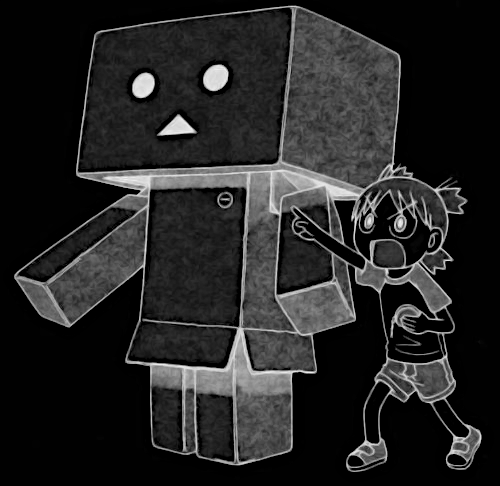
おにゅー

◁
◂
勉強
◂
◁
第一話
英語
A New Item!
分析
おにゅー
おにゅー
書き方:御ニュー
読み方:おニュー, おにゅー
noun
no-adjective
usually-kana
1.
newly purchased item
1コマ

ちよ
これはぁ
英語
These are...
分析
これ
はぁ
これ
書き方:此れ
読み方:これ
pronoun
usually-kana
1.
this; this one
indicating an item near the speaker, the action of the speaker, or the current topic
pronoun
usually-kana
2.
this person
usu. indicating someone in one's in-group
pronoun
usually-kana
3.
now; this point (in time)
as これから, これまで, etc.
pronoun
dated-term
usually-kana
4.
here
adverb
formal
usually-kana
5.
used to stress the subject of a sentence
はぁ
読み方:は
particle
1.
topic marker particle
pronounced わ in modern Japanese
particle
2.
indicates contrast with another option (stated or unstated)
particle
3.
adds emphasis
ぽ
英語
*pop*
ぽ
英語
*pop*
2コマ
Empty Cell
3コマ
ちよ
新しいのですよ
英語
New ones, see!
分析
新しい
の
です
よ
新しい
書き方:新しい
読み方:あたらしい
活用形:non-past
adjective
1.
new; novel; fresh; recent; latest; up-to-date; modern
の
読み方:の
particle
1.
indicates possessive
occasionally ん, orig. written 乃 or 之
particle
2.
nominalizes verbs and adjectives
particle
3.
substitutes for "ga" in subordinate phrases
particle
4.
(at sentence-end, falling tone) indicates a confident conclusion
often ん
particle
femanine
5.
(at sentence-end) indicates emotional emphasis
particle
6.
(at sentence-end, rising tone) indicates question
です
読み方:です
expression
polite
1.
be; is
polite copula
よ
読み方:よ
particle
1.
hey; you
at sentence-end; indicates certainty, emphasis, contempt, request, etc.
particle
2.
hey
after a noun; used when calling out to someone
particle
3.
hey; hold on
in mid-sentence; used to catch one's breath or get someone's attention
interjection
4.
yo; hey
かしゃ
英語
*Ca-Click*
かしゃ
英語
*Ca-Click*
4コマ
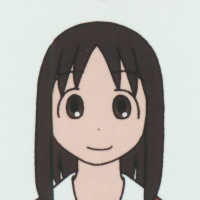
おおさか
うおお…
英語
Oohhhh...
ガタカタ
英語
*tremble*
分析
ガタカタ
ガタカタ
読み方:ガタガタ, がたがた, ガタカタ
adverb
adverb-taking-to-particle
suru-verb
onomatopoeia
1.
rattling; clattering
adverb
adverb-taking-to-particle
suru-verb
onomatopoeia
2.
trembling; shivering; quaking; wobbling; swaying
adverb
adverb-taking-to-particle
suru-verb
onomatopoeia
3.
whining; grumbling; griping; bellyaching
no-adjective
adjectival-noun
onomatopoeia
4.
rickety; shaky; wobbly; decrepit; ramshackle; broken down

かおりん
?
英語
?
第二話
感想
英語
Impression
分析
感想
感想
書き方:感想
読み方:かんそう
noun
1.
impressions; thoughts; feelings; reactions
1コマ
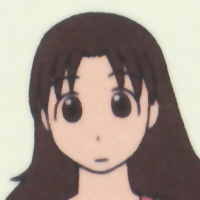
ゆかり先生
じゃ この問題をーー ともちゃん
英語
Well then, for this problem... Tomo!
分析
じゃ
この
問題
をーー
とも
ちゃん
じゃ
読み方:じゃあ, じゃ
conjunction
1.
then; well; so; well then
from では
copula
kansai
2.
be; is
この
書き方:此の
読み方:この
prenoun-adjectival
usually-kana
1.
this
something or someone close to the speaker (including the speaker), or ideas expressed by the speaker
prenoun-adjectival
usually-kana
2.
last (couple of years, etc.); these; past; this
in ref. to a stretch of time or date
prenoun-adjectival
usually-kana
3.
you (as in "you liar")
emphatic, accusatory, insulting
問題
書き方:問題
読み方:もんだい
noun
1.
question (e.g. on a test); problem
noun
2.
problem (e.g. societal, political); question; issue; subject (e.g. of research); case; matter
noun
3.
question (i.e. doubt)
noun
4.
public discussion; controversy
noun
5.
trouble; problem; inconvenience; difficulty
をーー
読み方:を
particle
1.
indicates direct object of action
particle
2.
indicates subject of causative expression
particle
3.
indicates an area traversed
particle
4.
indicates time (period) over which action takes place
particle
5.
indicates point of departure or separation of action
particle
6.
indicates object of desire, like, hate, etc.
とも

名前:智(とも)
苗字:滝野(たきの)
A very energetic student in class 3. Tomo always has energy to spare!
ちゃん
読み方:ちゃん
suffix
familiar
1.
suffix for familiar person

とも
えーと
英語
Let's see...
分析
えーと
えーと
読み方:えっと, えーと
interjection
1.
let me see; well; errr ...; uhh ...
2コマ
とも
ひとことで言って難しいですな
英語
In a word - it sure is difficult...
分析
ひとこと
で
言って
難しい
です
な
ひとこと
書き方:一言
読み方:ひとこと
noun
suru-verb
1.
single word; a few words; brief comment
で
読み方:で, にて
particle
1.
at; in
indicates location of action; にて is the formal literary form
particle
2.
at; when
indicates time of action
particle
3.
by; with
indicates means of action
conjunction
4.
and then; so
auxiliary
5.
and; then
indicates continuing action; alternative form of 〜て used for some verb types
particle
kansai
6.
let me tell you; don't you know
at sentence-end; indicates certainty, emphasis, etc.
言って
書き方:言う, 云う
読み方:いう, ゆう
活用形:te-form
godan-u-verb
1.
to say; to utter; to declare
godan-u-verb
2.
to name; to call
godan-u-verb
3.
to go (e.g. "the alarm went ping"); to make a noise
難しい
書き方:難しい
読み方:むずかしい
活用形:non-past
adjective
1.
difficult; hard; troublesome; complicated; serious (disease, problem, etc.)
adjective
polite
2.
impossible; unfeasible
euphemistic
adjective
3.
fussy; particular; fastidious; hard to please; displeased
adjective
4.
gloomy; glum; sullen; serious (look)
です
読み方:です
expression
polite
1.
be; is
polite copula
な
読み方:な
particle
1.
don't
prohibitive; used with dictionary form verb
particle
2.
do
imperative (from なさい); used with -masu stem of verb
interjection
3.
hey; listen; you
particle
4.
now, ...; well, ...; I tell you!; you know
when seeking confirmation, for emphasis, etc.; used at sentence end
particle
5.
wow; ooh
used to express admiration, emotionality, etc.; used at sentence end
ゆかり先生
ふむ
英語
Uh-huh...
分析
ふむ
ふむ
読み方:ふむ, ふうむ
1.
hmm; I see; hrm
じゃあふたことで言って
英語
Well then, use two words.
分析
じゃあ
ふたこと
で
言って
じゃあ
読み方:じゃあ, じゃ
conjunction
1.
then; well; so; well then
from では
copula
kansai
2.
be; is
ふたこと
書き方:二言
読み方:ふたこと
noun
1.
two words
noun
2.
repetition
で
読み方:で, にて
particle
1.
at; in
indicates location of action; にて is the formal literary form
particle
2.
at; when
indicates time of action
particle
3.
by; with
indicates means of action
conjunction
4.
and then; so
auxiliary
5.
and; then
indicates continuing action; alternative form of 〜て used for some verb types
particle
kansai
6.
let me tell you; don't you know
at sentence-end; indicates certainty, emphasis, etc.
言って
書き方:言う, 云う
読み方:いう, ゆう
活用形:te-form
godan-u-verb
1.
to say; to utter; to declare
godan-u-verb
2.
to name; to call
godan-u-verb
3.
to go (e.g. "the alarm went ping"); to make a noise
3コマ
Empty Cell
4コマ
とも
ちょー ムズカしいですな
英語
SURE IS REALLY DIFFICULT!
分析
ちょー
ムズカしい
です
な
ちょー
書き方:超
読み方:ちょう
prefix
1.
super-; ultra-; hyper-; extreme
prefix
colloquialism
2.
extremely; really; totally; absolutely
noun-suffix
3.
over; more than
after a number or counter
ムズカしい
書き方:難しい
読み方:むずかしい
活用形:non-past
adjective
1.
difficult; hard; troublesome; complicated; serious (disease, problem, etc.)
adjective
polite
2.
impossible; unfeasible
euphemistic
adjective
3.
fussy; particular; fastidious; hard to please; displeased
adjective
4.
gloomy; glum; sullen; serious (look)
です
読み方:です
expression
polite
1.
be; is
polite copula
な
読み方:な
particle
1.
don't
prohibitive; used with dictionary form verb
particle
2.
do
imperative (from なさい); used with -masu stem of verb
interjection
3.
hey; listen; you
particle
4.
now, ...; well, ...; I tell you!; you know
when seeking confirmation, for emphasis, etc.; used at sentence end
particle
5.
wow; ooh
used to express admiration, emotionality, etc.; used at sentence end
ゆかり先生
ふむ
英語
I see...
分析
ふむ
ふむ
読み方:ふむ, ふうむ
1.
hmm; I see; hrm
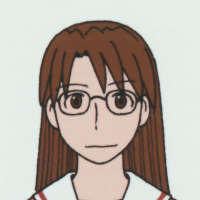
よみ
なんだこいつら…
英語
What's with them...
分析
なんだ
こいつら
…
なんだ
書き方:何だ
読み方:なんだ, なーんだ, なあんだ
usually-kana
1.
what!; oh
usually-kana
2.
what the heck; what the; damn
Only applies to なんだ
こいつら
書き方:こいつ等
読み方:こいつら
pronoun
usually-kana
1.
these guys; these fellows
Having trouble with the vocabulary?
Download the Azumanga Daioh Anki Deck!
It covers the posted translations, and is updated each time a new one is posted!
Download the Azumanga Daioh Anki Deck!
It covers the posted translations, and is updated each time a new one is posted!