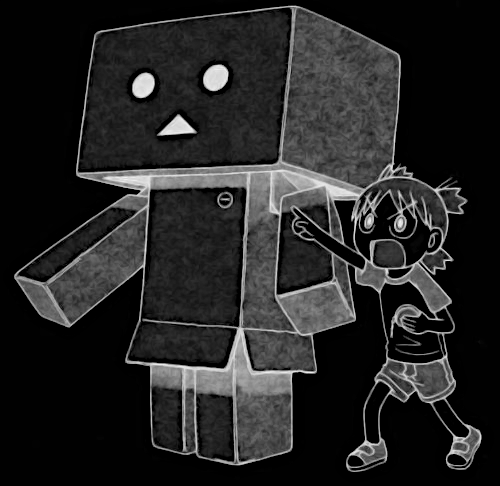
イモ買ってきたよ?

◁
◂
勉強
◂
◁
第一話
英語
Did you go buy some potatoes?
分析
イモ
買って
きた
よ
?
イモ
書き方:芋
読み方:いも
noun
1.
tuber; taro; potato; yam
noun
derogatory
2.
yokel; bumpkin
noun
3.
dud; worthless thing
買って
書き方:買う
読み方:かう
活用形:te-form
godan-u-verb
transitive-verb
1.
to buy; to purchase
in western Japan, 買う conjugates euphonically as こうた, こうて, etc.
godan-u-verb
transitive-verb
2.
to value; to have a high opinion
godan-u-verb
transitive-verb
3.
to stir; to provoke; to draw upon oneself
きた
書き方:来る
読み方:くる
活用形:plain past
kuru-verb
intransitive-verb
1.
to come (spatially or temporally); to approach; to arrive
kuru-verb
intransitive-verb
auxiliary-verb
usually-kana
2.
to come back; to do ... and come back
after the -te form of a verb
kuru-verb
intransitive-verb
auxiliary-verb
usually-kana
3.
to come to be; to become; to get; to grow; to continue
after the -te form of a verb
kuru-verb
intransitive-verb
4.
to come from; to be caused by; to derive from
kuru-verb
intransitive-verb
5.
to come to (i.e. "when it comes to spinach ...")
よ
読み方:よ
particle
1.
hey; you
at sentence-end; indicates certainty, emphasis, contempt, request, etc.
particle
2.
hey
after a noun; used when calling out to someone
particle
3.
hey; hold on
in mid-sentence; used to catch one's breath or get someone's attention
interjection
4.
yo; hey
ノート
I assume the idea here is since Yukari is going to suggest that they burn all the plushies, this title is referring to that suggestion ahead of time by virtue of something you’d roast on a fire (potatoes).
1コマ
文化祭終了
英語
The culture festival is over
分析
文化祭
終了
文化祭
書き方:文化祭
読み方:ぶんかさい
noun
1.
school festival; cultural festival; annual open day school event showcasing student talent
終了
書き方:終了
読み方:しゅうりょう
noun
suru-verb
1.
end; close; termination

ゆかり先生
はーい みんなごくろーさん
英語
Alriight, good work everyone!
分析
はーい
みんな
ごくろーさん
はーい
読み方:はい
interjection
polite
1.
yes; that is correct
interjection
2.
understood; I see; OK; okay
interjection
3.
present; here
as a response to a roll call
interjection
colloquialism
4.
pardon?; what's that?; come again?
with rising intonation
interjection
5.
now; here; here you go
used when calling for someone's attention or when handing something to someone
interjection
6.
giddy-up; giddap
みんな
書き方:皆
読み方:みんな, みな
noun
pronoun
adverb
usually-kana
1.
everyone; everybody; all
noun
adverb
usually-kana
2.
everything; all
ごくろーさん
書き方:ご苦労さん, 御苦労さん
読み方:ごくろうさん
expression
1.
I appreciate your efforts
2コマ
ゆかり先生
じゃあ このぬいぐるみ全部
英語
Well then, as for all these plushies...
分析
じゃあ
この
ぬいぐるみ
全部
じゃあ
読み方:じゃあ, じゃ
conjunction
1.
then; well; so; well then
from では
copula
kansai
2.
be; is
この
書き方:此の
読み方:この
prenoun-adjectival
usually-kana
1.
this
something or someone close to the speaker (including the speaker), or ideas expressed by the speaker
prenoun-adjectival
usually-kana
2.
last (couple of years, etc.); these; past; this
in ref. to a stretch of time or date
prenoun-adjectival
usually-kana
3.
you (as in "you liar")
emphatic, accusatory, insulting
ぬいぐるみ
書き方:縫いぐるみ
読み方:ぬいぐるみ
noun
usually-kana
1.
stuffed toy; stuffed animal; plush toy; soft toy; cuddly toy
全部
書き方:全部
読み方:ぜんぶ
noun
no-adjective
adverb
1.
all; entire; whole; altogether
3コマ
ゆかり先生
焼こうか
英語
Should we burn them?
分析
焼こう
か
焼こう
書き方:焼く
読み方:やく
活用形:volitional
godan-ku-verb
transitive-verb
1.
to burn
godan-ku-verb
transitive-verb
2.
to roast; to broil; to grill; to bake; to toast; to barbecue
godan-ku-verb
transitive-verb
3.
to heat; to heat up
godan-ku-verb
transitive-verb
4.
to make (charcoal, pottery, bricks, etc.); to bake; to fire; to burn
godan-ku-verb
transitive-verb
5.
to tan (i.e. suntan); to burn
godan-ku-verb
transitive-verb
6.
to print (a photo); to burn (an optical disc)
godan-ku-verb
transitive-verb
7.
to be jealous of; to be envious of; to envy
か
読み方:か
particle
1.
indicates a question
at sentence end
particle
2.
or; whether or not
after each alternative
particle
3.
some- (e.g. something, someone)
after an interrogative
particle
4.
hmm; huh
indicates doubt, uncertainty, etc.; sometimes after other particles
prefix
5.
very
emphatic prefix; usu. before an adjective
suffix
6.
-al; -ial; -ic; -ical; -ish; -y
suffix forming adjectives or adverbs; after an indeclinable word

学生たち
え!?
英語
HUH!?
分析
え
!
?
え
読み方:え
interjection
1.
eh?; what?; oh?
interjection
2.
yes; that's correct
4コマ
ゆかり先生
え?最後は供養して焼くんじゃないの?
英語
Huh? Don't you burn things at the end of a memorial service?
分析
え
?
最後
は
供養して
焼く
ん
じゃない
の
?
え
読み方:え
interjection
1.
eh?; what?; oh?
interjection
2.
yes; that's correct
最後
書き方:最後
読み方:さいご
noun
1.
end; conclusion
no-adjective
2.
last; final; latest; most recent
expression
3.
no sooner than; once; right after (often having negative consequences)
after -tara form or -ta form followed by "ga"
は
読み方:は
particle
1.
topic marker particle
pronounced わ in modern Japanese
particle
2.
indicates contrast with another option (stated or unstated)
particle
3.
adds emphasis
供養して
書き方:供養
読み方:くよう
活用形:te-form
noun
suru-verb
1.
memorial service for the dead; holding a service
焼く
書き方:焼く
読み方:やく
活用形:plain non-past
godan-ku-verb
transitive-verb
1.
to burn
godan-ku-verb
transitive-verb
2.
to roast; to broil; to grill; to bake; to toast; to barbecue
godan-ku-verb
transitive-verb
3.
to heat; to heat up
godan-ku-verb
transitive-verb
4.
to make (charcoal, pottery, bricks, etc.); to bake; to fire; to burn
godan-ku-verb
transitive-verb
5.
to tan (i.e. suntan); to burn
godan-ku-verb
transitive-verb
6.
to print (a photo); to burn (an optical disc)
godan-ku-verb
transitive-verb
7.
to be jealous of; to be envious of; to envy
ん
読み方:ん
1.
oh!; good heavens!
2.
ugh!; oh no!
3.
ah!; the penny drops!
4.
yes!; okay!
5.
yes; yeah; uh huh
6.
huh?; what?
auxiliary-verb
suffix
7.
not
negative verb ending used in informal speech; abbr. of negative verb ending ぬ
particle
8.
's; of; belonging to
abbr. of particle の; indicates possessive
particle
9.
at (place, time); in; on; during
abbr. of particle に; used esp. when it precedes the verb なる
じゃない
読み方:じゃない
活用形:non-past
expression
adjective
usually-kana
1.
is not; am not; are not
from ではない
expression
adjective
usually-kana
2.
isn't it?
の
読み方:の
particle
1.
indicates possessive
occasionally ん, orig. written 乃 or 之
particle
2.
nominalizes verbs and adjectives
particle
3.
substitutes for "ga" in subordinate phrases
particle
4.
(at sentence-end, falling tone) indicates a confident conclusion
often ん
particle
femanine
5.
(at sentence-end) indicates emotional emphasis
particle
6.
(at sentence-end, rising tone) indicates question

よみ
なんの供養ですか
英語
What memorial service?
分析
なん
の
供養
ですか
なん
書き方:何
読み方:なん
pronoun
1.
what
prefix
2.
how many
followed by a counter
prefix
3.
many; a lot of
followed by (optional number), counter and も
prefix
4.
several; a few; some
followed by a counter and か
の
読み方:の
particle
1.
indicates possessive
occasionally ん, orig. written 乃 or 之
particle
2.
nominalizes verbs and adjectives
particle
3.
substitutes for "ga" in subordinate phrases
particle
4.
(at sentence-end, falling tone) indicates a confident conclusion
often ん
particle
femanine
5.
(at sentence-end) indicates emotional emphasis
particle
6.
(at sentence-end, rising tone) indicates question
供養
書き方:供養
読み方:くよう
noun
suru-verb
1.
memorial service for the dead; holding a service
ですか
読み方:ですか
expression
polite
1.
indicates question
at sentence-end
第二話
敵?
英語
Enemy?
分析
敵
?
敵
書き方:敵
読み方:てき
noun
1.
opponent; rival; adversary
noun
2.
menace; danger; threat; enemy
1コマ
Empty Cell
2コマ
その夜のちよちゃんち
英語
That night at Chiyo's place
分析
その
夜
の
ちよ
ちゃん
ち
その
書き方:其の
読み方:その
prenoun-adjectival
usually-kana
1.
that; the
something or someone distant from the speaker, close to the listener; actions of the listener, or ideas expressed or understood by the listener
prenoun-adjectival
usually-kana
2.
part (as in "part two")
preceding a number
interjection
3.
um ...; er ...; uh ...
夜
書き方:夜
読み方:よる
noun
adverb
1.
evening; night
noun
2.
dinner
の
読み方:の
particle
1.
indicates possessive
occasionally ん, orig. written 乃 or 之
particle
2.
nominalizes verbs and adjectives
particle
3.
substitutes for "ga" in subordinate phrases
particle
4.
(at sentence-end, falling tone) indicates a confident conclusion
often ん
particle
femanine
5.
(at sentence-end) indicates emotional emphasis
particle
6.
(at sentence-end, rising tone) indicates question
ちよ

名前:ちよ
苗字:美浜(みはま)
A genius girl who was able to transfer into highschool early.
ちゃん
読み方:ちゃん
suffix
familiar
1.
suffix for familiar person
ち
書き方:地
読み方:ち
noun
noun-suffix
1.
earth; ground; land; soil
noun
noun-suffix
2.
place
noun
noun-suffix
3.
territory
noun
noun-suffix
4.
bottom (of a package, book, etc.)
noun
noun-suffix
5.
earth (one of the five elements)
3コマ
わん わん わん わん
英語
*BARK BARK BARK BARK*
4コマ

ちよ
ただきちさーん
英語
Mr. Tadakichi!
分析
ただきち
さーん
さーん
読み方:さん
suffix
honorific
familiar
1.
Mr.; Mrs.; Miss; Ms.; -san
after a person's name (or position, etc.)
suffix
polite
2.
politeness marker
usu. after a noun or sometimes na-adjective
もらった
英語
Brought it home
分析
もらった
もらった
書き方:貰う
読み方:もらう
活用形:plain past
godan-u-verb
transitive-verb
usually-kana
1.
to receive; to take; to accept
auxiliary-verb
godan-u-verb
usually-kana
2.
to get somebody to do something
follows a verb in "-te" form
godan-u-verb
transitive-verb
usually-kana
3.
to have in one's pocket (a fight, match)
godan-u-verb
transitive-verb
usually-kana
4.
to contract (a disease); to catch; to be affected
わん わん わん わん
英語
*BARK BARK BARK BARK*
Having trouble with the vocabulary?
Download the Azumanga Daioh Anki Deck!
It covers the posted translations, and is updated each time a new one is posted!
Download the Azumanga Daioh Anki Deck!
It covers the posted translations, and is updated each time a new one is posted!