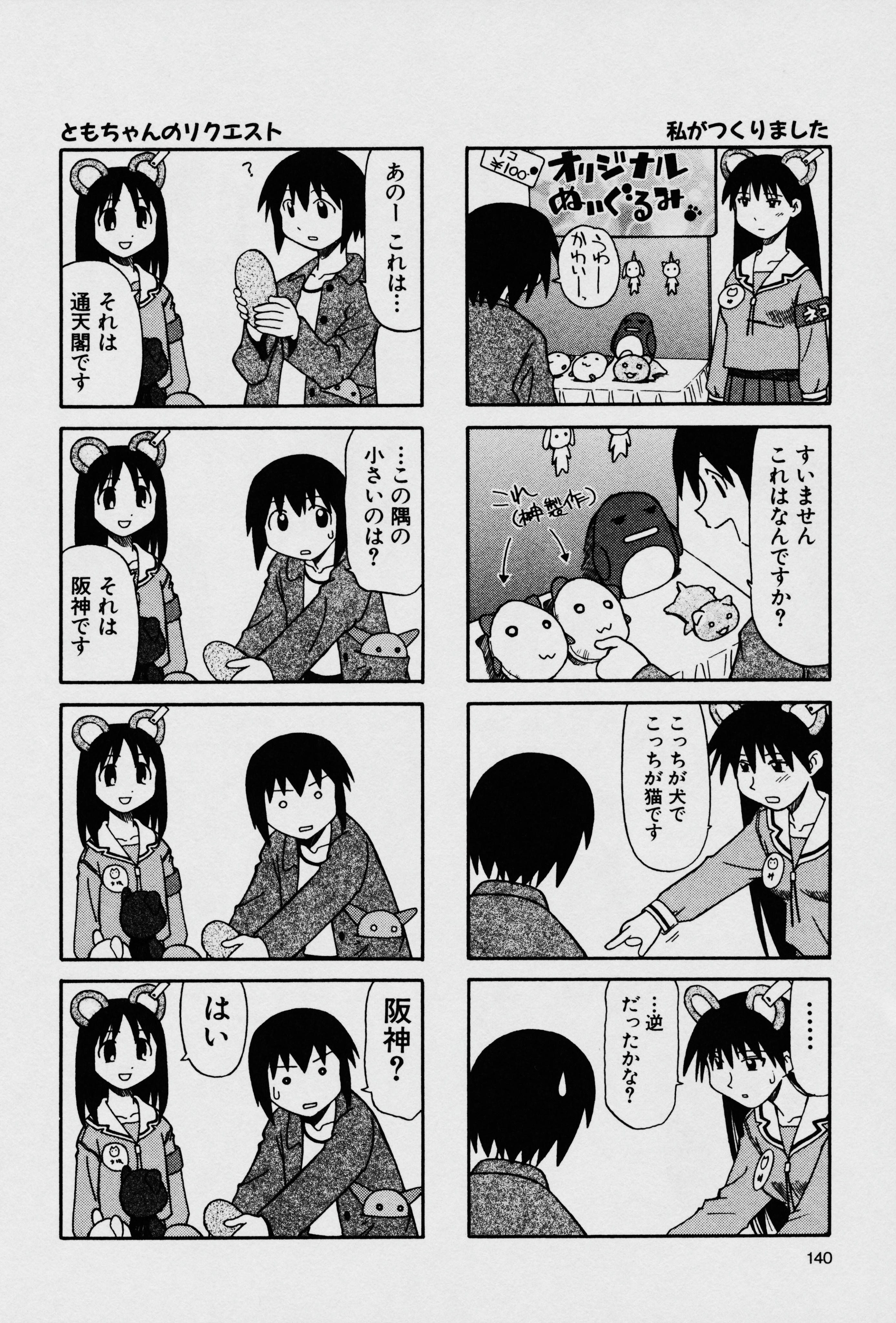
私がつくりました
◁
◂
勉強
◂
◁
第一話
英語
I Made It
分析
私
が
つくりました
私
書き方:私
読み方:わたし
pronoun
1.
I; me
slightly formal or feminine
が
読み方:が
particle
1.
indicates sentence subject (occasionally object)
particle
2.
indicates possessive (esp. in literary expressions)
conjunction
3.
but; however; still; and
conjunction
4.
regardless of; whether (or not)
after the volitional form of a verb
つくりました
書き方:作る, 造る, 創る
読み方:つくる
活用形:polite past
godan-ru-verb
transitive-verb
1.
to make; to produce; to manufacture; to build; to construct
造る usu. for large-scale building, manufacturing, etc.; 創る usu. for creating
godan-ru-verb
transitive-verb
2.
to prepare (food); to brew (alcohol)
godan-ru-verb
transitive-verb
3.
to raise; to grow; to cultivate; to train
godan-ru-verb
transitive-verb
4.
to till
godan-ru-verb
transitive-verb
5.
to draw up (a document); to make out; to prepare; to write
godan-ru-verb
transitive-verb
6.
to create (an artistic work, etc.); to compose
godan-ru-verb
transitive-verb
7.
to coin (a phrase); to organize; to organise; to establish; to found
godan-ru-verb
transitive-verb
8.
to have (a child)
godan-ru-verb
transitive-verb
9.
to make up (one's face, etc.)
godan-ru-verb
transitive-verb
10.
to fabricate (an excuse, etc.)
godan-ru-verb
transitive-verb
11.
to give a (false) appearance; to feign (a smile, etc.); to put on a show of emotion
godan-ru-verb
transitive-verb
12.
to form (a line, etc.)
godan-ru-verb
transitive-verb
13.
to set (a record)
godan-ru-verb
transitive-verb
14.
to commit (a sin, etc.)
1コマ
ネコ
英語
Cat
分析
ネコ
ネコ
書き方:猫
読み方:ねこ
noun
1.
cat (esp. the domestic cat, Felis catus)
noun
2.
shamisen
noun
3.
geisha
noun
abbreviation
4.
wheelbarrow
noun
abbreviation
5.
clay bed-warmer
noun
usually-kana
colloquialism
6.
bottom; submissive partner of a homosexual relationship
オリジナルぬいぐるみ
英語
Original Plushies
分析
オリジナル
ぬいぐるみ
オリジナル
読み方:オリジナル
no-adjective
noun
1.
original
no-adjective
noun
2.
unique (e.g. product); signature; exclusive; one-of-a-kind; custom
ぬいぐるみ
書き方:縫いぐるみ
読み方:ぬいぐるみ
noun
usually-kana
1.
stuffed toy; stuffed animal; plush toy; soft toy; cuddly toy
1コ ¥100
英語
¥100 each
分析
1コ
¥
100
1コ
書き方:一個, 1コ
読み方:いっこ
noun
1.
piece; fragment; one (object)
100
書き方:100, 百
読み方:ひゃく
numeric
1.
100; hundred
陌 and 佰 are used in legal documents

女の子
うわー かわいー
英語
Woah, so cuute!
分析
うわー
かわいー
うわー
読み方:うわ
1.
yikes; oops; eep; wow; aargh
かわいー
書き方:可愛い
読み方:かわいい
活用形:non-past
adjective
usually-kana
1.
cute; adorable; charming; lovely; pretty
adjective
usually-kana
2.
dear; precious; darling; pet
adjective
usually-kana
3.
innocent; childlike; childish; lovable
adjective
usually-kana
4.
dainty; cute little; tiny
2コマ
女の子
すいません これはなんですか?
英語
Excuse me, what are these?
分析
すいません
これ
は
なん
ですか
?
すいません
書き方:済みません
読み方:すみません, すいません
expression
interjection
usually-kana
polite
1.
excuse me; pardon me; I'm sorry; I beg your pardon
used both to apologize and to get someone's attention
expression
interjection
usually-kana
polite
2.
thank you
これ
書き方:此れ
読み方:これ
pronoun
usually-kana
1.
this; this one
indicating an item near the speaker, the action of the speaker, or the current topic
pronoun
usually-kana
2.
this person
usu. indicating someone in one's in-group
pronoun
usually-kana
3.
now; this point (in time)
as これから, これまで, etc.
pronoun
dated-term
usually-kana
4.
here
adverb
formal
usually-kana
5.
used to stress the subject of a sentence
は
読み方:は
particle
1.
topic marker particle
pronounced わ in modern Japanese
particle
2.
indicates contrast with another option (stated or unstated)
particle
3.
adds emphasis
なん
書き方:何
読み方:なん
pronoun
1.
what
prefix
2.
how many
followed by a counter
prefix
3.
many; a lot of
followed by (optional number), counter and も
prefix
4.
several; a few; some
followed by a counter and か
ですか
読み方:ですか
expression
polite
1.
indicates question
at sentence-end
これ(榊製作)
英語
These (Sakaki Productions)
分析
これ
(
榊
製作
)
これ
書き方:此れ
読み方:これ
pronoun
usually-kana
1.
this; this one
indicating an item near the speaker, the action of the speaker, or the current topic
pronoun
usually-kana
2.
this person
usu. indicating someone in one's in-group
pronoun
usually-kana
3.
now; this point (in time)
as これから, これまで, etc.
pronoun
dated-term
usually-kana
4.
here
adverb
formal
usually-kana
5.
used to stress the subject of a sentence
榊
書き方:榊
読み方:さかき
noun
1.
sakaki (species of evergreen sacred to Shinto, Cleyera japonica)
noun
2.
evergreen (esp. one planted or used at a shrine)
製作
書き方:製作
読み方:せいさく
noun
suru-verb
1.
manufacture; production
3コマ
さかき
こっちが犬でこっちが猫です
英語
This one's a dog, and this one's a cat.
分析
こっち
が
犬
で
こっち
が
猫
です
こっち
書き方:此方
読み方:こちら, こっち
pronoun
usually-kana
1.
this way; this direction
direction close to the speaker or towards the speaker
pronoun
usually-kana
2.
here
place close to the speaker or where the speaker is
pronoun
usually-kana
3.
this (one)
something physically close to the speaker
pronoun
usually-kana
4.
I; me; we; us
pronoun
usually-kana
5.
this person
someone physically close to the speaker and of equal or higher status
が
読み方:が
particle
1.
indicates sentence subject (occasionally object)
particle
2.
indicates possessive (esp. in literary expressions)
conjunction
3.
but; however; still; and
conjunction
4.
regardless of; whether (or not)
after the volitional form of a verb
犬
書き方:犬
読み方:いぬ
noun
1.
dog (Canis (lupus) familiaris)
noun
usually-kana
derogatory
2.
squealer; rat; snitch; informer; informant; spy
noun
derogatory
3.
loser; asshole
noun-prefix
4.
counterfeit; inferior; useless; wasteful
で
読み方:で, にて
particle
1.
at; in
indicates location of action; にて is the formal literary form
particle
2.
at; when
indicates time of action
particle
3.
by; with
indicates means of action
conjunction
4.
and then; so
auxiliary
5.
and; then
indicates continuing action; alternative form of 〜て used for some verb types
particle
kansai
6.
let me tell you; don't you know
at sentence-end; indicates certainty, emphasis, etc.
こっち
書き方:此方
読み方:こちら, こっち
pronoun
usually-kana
1.
this way; this direction
direction close to the speaker or towards the speaker
pronoun
usually-kana
2.
here
place close to the speaker or where the speaker is
pronoun
usually-kana
3.
this (one)
something physically close to the speaker
pronoun
usually-kana
4.
I; me; we; us
pronoun
usually-kana
5.
this person
someone physically close to the speaker and of equal or higher status
が
読み方:が
particle
1.
indicates sentence subject (occasionally object)
particle
2.
indicates possessive (esp. in literary expressions)
conjunction
3.
but; however; still; and
conjunction
4.
regardless of; whether (or not)
after the volitional form of a verb
猫
書き方:猫
読み方:ねこ
noun
1.
cat (esp. the domestic cat, Felis catus)
noun
2.
shamisen
noun
3.
geisha
noun
abbreviation
4.
wheelbarrow
noun
abbreviation
5.
clay bed-warmer
noun
usually-kana
colloquialism
6.
bottom; submissive partner of a homosexual relationship
です
読み方:です
expression
polite
1.
be; is
polite copula
4コマ
さかき
……
英語
......
…逆 だったかな?
英語
...Or was it the other way around?
分析
…
逆
だった
かな
?
逆
書き方:逆
読み方:ぎゃく
no-adjective
adjectival-noun
noun
1.
reverse; opposite
adjectival-noun
noun
2.
converse (of a hypothesis, etc.)
noun-prefix
mathematics
3.
inverse (function)
だった
読み方:だった
expression
1.
was
past tense of plain copula
かな
読み方:かな, かなあ, かなー
particle
1.
I wonder
at sentence end
particle
2.
should I?; is it?
at sentence end
particle
3.
I wish that; I hope that
at sentence end; with a negative
第二話
ともちゃんのリクエスト
英語
Tomo's Request
分析
とも
ちゃん
の
リクエスト
とも

名前:智(とも)
苗字:滝野(たきの)
A very energetic student in class 3. Tomo always has energy to spare!
ちゃん
読み方:ちゃん
suffix
familiar
1.
suffix for familiar person
の
読み方:の
particle
1.
indicates possessive
occasionally ん, orig. written 乃 or 之
particle
2.
nominalizes verbs and adjectives
particle
3.
substitutes for "ga" in subordinate phrases
particle
4.
(at sentence-end, falling tone) indicates a confident conclusion
often ん
particle
femanine
5.
(at sentence-end) indicates emotional emphasis
particle
6.
(at sentence-end, rising tone) indicates question
リクエスト
読み方:リクエスト
noun
suru-verb
1.
request
1コマ
女の子
あのー これは…
英語
Ummm... And this is?
分析
あのー
これ
は
…
あのー
読み方:あの, あのー
interjection
1.
say; well; um; er
これ
書き方:此れ
読み方:これ
pronoun
usually-kana
1.
this; this one
indicating an item near the speaker, the action of the speaker, or the current topic
pronoun
usually-kana
2.
this person
usu. indicating someone in one's in-group
pronoun
usually-kana
3.
now; this point (in time)
as これから, これまで, etc.
pronoun
dated-term
usually-kana
4.
here
adverb
formal
usually-kana
5.
used to stress the subject of a sentence
は
読み方:は
particle
1.
topic marker particle
pronounced わ in modern Japanese
particle
2.
indicates contrast with another option (stated or unstated)
particle
3.
adds emphasis
?
英語
?
おおさか
それは通天閣です
英語
That is Tsutenkaku Tower.
分析
それは
通天閣
です
それは
読み方:それは, そりゃ, そりゃあ
adverb
1.
very; extremely
expression
2.
that is
A casual contraction of それは.
です
読み方:です
expression
polite
1.
be; is
polite copula
2コマ
女の子
…この隅の小さいのは?
英語
...And the small one in the corner is?
分析
…
この
隅
の
小さい
の
は
?
この
書き方:此の
読み方:この
prenoun-adjectival
usually-kana
1.
this
something or someone close to the speaker (including the speaker), or ideas expressed by the speaker
prenoun-adjectival
usually-kana
2.
last (couple of years, etc.); these; past; this
in ref. to a stretch of time or date
prenoun-adjectival
usually-kana
3.
you (as in "you liar")
emphatic, accusatory, insulting
隅
書き方:隅
読み方:すみ
noun
noun-suffix
1.
corner; nook; recess
noun
obscure-term
2.
downstage right (on a noh stage)
の
読み方:の
particle
1.
indicates possessive
occasionally ん, orig. written 乃 or 之
particle
2.
nominalizes verbs and adjectives
particle
3.
substitutes for "ga" in subordinate phrases
particle
4.
(at sentence-end, falling tone) indicates a confident conclusion
often ん
particle
femanine
5.
(at sentence-end) indicates emotional emphasis
particle
6.
(at sentence-end, rising tone) indicates question
小さい
書き方:小さい
読み方:ちいさい
活用形:non-past
adjective
1.
small; little; tiny
adjective
2.
slight; below average (in degree, amount, etc.); minor; small
adjective
3.
low (e.g. sound); soft (e.g. voice)
adjective
4.
unimportant; petty; insignificant; trifling; trivial
adjective
5.
young; juvenile
の
読み方:の
particle
1.
indicates possessive
occasionally ん, orig. written 乃 or 之
particle
2.
nominalizes verbs and adjectives
particle
3.
substitutes for "ga" in subordinate phrases
particle
4.
(at sentence-end, falling tone) indicates a confident conclusion
often ん
particle
femanine
5.
(at sentence-end) indicates emotional emphasis
particle
6.
(at sentence-end, rising tone) indicates question
は
読み方:は
particle
1.
topic marker particle
pronounced わ in modern Japanese
particle
2.
indicates contrast with another option (stated or unstated)
particle
3.
adds emphasis
おおさか
それは阪神です
英語
That's Hanshin.
分析
それ
は
阪神
です
それ
書き方:其れ
読み方:それ
pronoun
usually-kana
1.
that; it
indicating an item or person near the listener, the action of the listener, or something on their mind
pronoun
usually-kana
2.
then; that point (in time); that time
は
読み方:は
particle
1.
topic marker particle
pronounced わ in modern Japanese
particle
2.
indicates contrast with another option (stated or unstated)
particle
3.
adds emphasis
阪神
書き方:阪神
読み方:はんしん
noun
1.
Osaka-Kobe
noun
2.
Hanshin (company name: railway, dept. store, baseball team, etc.)
です
読み方:です
expression
polite
1.
be; is
polite copula
ノート
Hanshin is a region of Japan.
3コマ
Empty Cell
4コマ
女の子
阪神?
英語
Hanshin?
分析
阪神
?
阪神
書き方:阪神
読み方:はんしん
noun
1.
Osaka-Kobe
noun
2.
Hanshin (company name: railway, dept. store, baseball team, etc.)
おおさか
はい
英語
Yup!
分析
はい
はい
読み方:はい
interjection
polite
1.
yes; that is correct
interjection
2.
understood; I see; OK; okay
interjection
3.
present; here
as a response to a roll call
interjection
colloquialism
4.
pardon?; what's that?; come again?
with rising intonation
interjection
5.
now; here; here you go
used when calling for someone's attention or when handing something to someone
interjection
6.
giddy-up; giddap
Having trouble with the vocabulary?
Download the Azumanga Daioh Anki Deck!
It covers the posted translations, and is updated each time a new one is posted!
Download the Azumanga Daioh Anki Deck!
It covers the posted translations, and is updated each time a new one is posted!