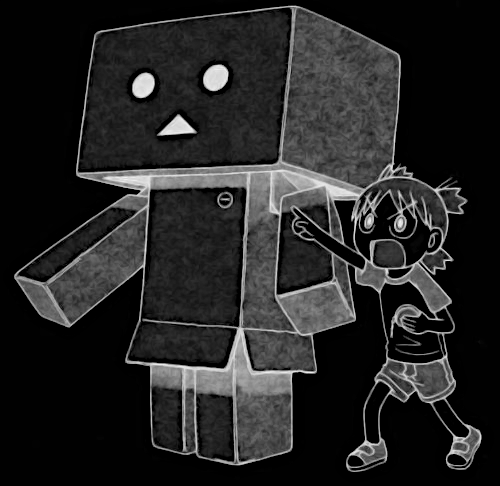
さっぱり

◁
◂
勉強
◂
◁
第一話
英語
Hopeless
分析
さっぱり
さっぱり
読み方:さっぱり
adverb
adverb-taking-to-particle
suru-verb
onomatopoeia
1.
feeling refreshed; feeling relieved
adverb
adverb-taking-to-particle
suru-verb
2.
neat; tidy; clean
adverb
adverb-taking-to-particle
suru-verb
adjectival-noun
3.
frank; open-hearted; plain; simple; light
adverb
adverb-taking-to-particle
4.
completely; entirely
adverb
5.
not in the least (with neg. verb); not at all
adjectival-noun
6.
nothing at all; completely useless; hopeless; awful
1コマ
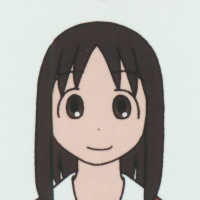
おおさか
いらっしゃいませー どうぞ見ていってくださいー
英語
Welcome!~ Please come take a look!~
分析
いらっしゃいませー
どうぞ
見て
いって
くださいー
いらっしゃいませー
読み方:いらっしゃいませ
expression
1.
welcome
used in shops, restaurants, etc.
どうぞ
読み方:どうぞ
adverb
1.
please; kindly; I beg of you
adverb
2.
by all means; feel free; you are welcome
adverb
3.
here you are
previously written as 何卒
見て
書き方:見る, 観る, 視る
読み方:みる
活用形:te-form
ichidan-verb
transitive-verb
1.
to see; to look; to watch; to view; to observe
ichidan-verb
transitive-verb
2.
to examine; to look over; to assess; to check; to judge
ichidan-verb
transitive-verb
3.
to look after; to attend to; to take care of; to keep an eye on
ichidan-verb
transitive-verb
4.
to experience; to meet with (misfortune, success, etc.)
auxiliary-verb
ichidan-verb
usually-kana
5.
to try ...; to have a go at ...; to give ... a try
after the -te form of a verb
auxiliary-verb
ichidan-verb
usually-kana
6.
to see (that) ...; to find (that) ...
as 〜てみると, 〜てみたら, 〜てみれば, etc.
いって
書き方:居る
読み方:いる
活用形:te-form
ichidan-verb
intransitive-verb
usually-kana
1.
to be (of animate objects); to exist
ichidan-verb
intransitive-verb
usually-kana
2.
to stay
ichidan-verb
auxiliary-verb
usually-kana
3.
to be ...-ing; to have been ...-ing
after the -te form of a verb; indicates continuing action or state
くださいー
書き方:下さい
読み方:ください
expression
usually-kana
honorific
1.
please (give me)
expression
usually-kana
honorific
2.
please (do for me)
after te-form of a verb or a noun prefixed with o- or go-
おとぎの組
英語
Fairy Tale Class
分析
おとぎ
の
組
おとぎ
書き方:御伽
読み方:おとぎ
noun
polite
usually-kana
1.
attending (upon); keeping another company; being a confidant; serving (a nobleman)
noun
usually-kana
abbreviation
2.
fairy tale
の
読み方:の
particle
1.
indicates possessive
occasionally ん, orig. written 乃 or 之
particle
2.
nominalizes verbs and adjectives
particle
3.
substitutes for "ga" in subordinate phrases
particle
4.
(at sentence-end, falling tone) indicates a confident conclusion
often ん
particle
femanine
5.
(at sentence-end) indicates emotional emphasis
particle
6.
(at sentence-end, rising tone) indicates question
組
書き方:組, 組み
読み方:くみ
noun
noun-suffix
1.
class (of students)
pronounced ぐみ as a suffix
noun
noun-suffix
counter
2.
group (of people); party; team; crew
noun
noun-suffix
3.
lot; bunch; set
noun
noun-suffix
4.
crime family; organized-crime syndicate
noun
noun-suffix
counter
5.
set (of items); assortment; deck (of cards); pack
noun
printing
6.
typesetting; composition
2コマ
おおさか
あ!外国人や!
英語
Ah! A foreigner!
分析
あ
!
外国人
や
!
あ
読み方:あっ, アッ, あ, ア
interjection
1.
ah; oh
expression of surprise, recollection, etc.
interjection
2.
hey!
used to get someone's attention
外国人
書き方:外国人
読み方:がいこくじん
noun
1.
foreigner; foreign citizen; foreign national; alien; non-Japanese
や
読み方:や
particle
1.
such things as ...; and ... and
used for non-exhaustive lists related to a specific time and place
particle
2.
the minute (that) ...; no sooner than ...; as soon as
after the dictionary form of a verb
copula
kansai
3.
be; is
interjection
4.
o; oh
punctuational exclamation in haiku, renga, etc.
interjection
5.
huh; what
interjection expressing surprise
interjection
masculine
6.
hi
3コマ

外国人
Hello pretty girl! How are you? What kind of character do you play?
英語
Hello little girl! How's it going? What character are you dressed up as?
ノート
This is pretty common for English to be a bit broken for foreign characters in manga like this. It has a kind of charm to it I think.
For those curious, the changes I’d make for more natural English are because of the following reasons:
- It feels a bit creepy to me to address a stranger (especially a little girl) so casually with “Hello pretty girl!” - To me, “little” feels nicer, and probably more in line with the original intent.
- I get the impression the speaker probably was originally trying to find out what the girl (Osaka) was doing, and less about asking how she was doing.
- I think the last sentence was trying to ask about her “cosplay”, and that probably got muddied in the translation from Japanese to English. We do sometimes use the word cosplay, but not for everything, and I don’t think (especially given the year this was released) some English-speaking adult would use this term - “dressed up as” sounds more natural and era/situation-appropriate.
おとぎの組
英語
Fairy Tale Class
分析
おとぎ
の
組
おとぎ
書き方:御伽
読み方:おとぎ
noun
polite
usually-kana
1.
attending (upon); keeping another company; being a confidant; serving (a nobleman)
noun
usually-kana
abbreviation
2.
fairy tale
の
読み方:の
particle
1.
indicates possessive
occasionally ん, orig. written 乃 or 之
particle
2.
nominalizes verbs and adjectives
particle
3.
substitutes for "ga" in subordinate phrases
particle
4.
(at sentence-end, falling tone) indicates a confident conclusion
often ん
particle
femanine
5.
(at sentence-end) indicates emotional emphasis
particle
6.
(at sentence-end, rising tone) indicates question
組
書き方:組, 組み
読み方:くみ
noun
noun-suffix
1.
class (of students)
pronounced ぐみ as a suffix
noun
noun-suffix
counter
2.
group (of people); party; team; crew
noun
noun-suffix
3.
lot; bunch; set
noun
noun-suffix
4.
crime family; organized-crime syndicate
noun
noun-suffix
counter
5.
set (of items); assortment; deck (of cards); pack
noun
printing
6.
typesetting; composition
4コマ
外国人
or, is this costume something for religion of Japan? I mean......
英語
Or, is this from some Japanese religion or something? I wonder.....
ノート
Again, broken English. Here’s why I’d make this change:
- It’s obvious he thinks that maybe the costume has to do with a Japanese religion, and he thinks he might have misunderstood the situation.
- I don’t really understand “I mean…” we usually use that if we’re explaining something and trying to make our point more understood. That doesn’t seem to be the case here, though. So I interpreted that as like “I’m still trying to understand”, so more simply “I wonder”.
Side comment: I love Osaka’s face remaining static in these last two cells. Truly she is processing a million thoughts a second here (and none of them are related to the current situation).
おおさか
なにゆーてんの?
英語
What are you sayin'?
分析
なに
ゆーて
ん
の
?
なに
書き方:何
読み方:なに
pronoun
1.
what
pronoun
2.
you-know-what; that thing
pronoun
3.
whatsit; whachamacallit; what's-his-name; what's-her-name
adverb
4.
(not) at all; (not) in the slightest
with neg. sentence
interjection
5.
what?; huh?
indicates surprise
interjection
6.
hey!
indicates anger or irritability
interjection
7.
oh, no (it's fine); why (it's nothing); oh (certainly not)
used to dismiss someone's worries, concerns, etc.
ゆーて
書き方:言う, 云う
読み方:いう, ゆう
活用形:te-form
godan-u-verb
1.
to say; to utter; to declare
godan-u-verb
2.
to name; to call
godan-u-verb
3.
to go (e.g. "the alarm went ping"); to make a noise
ん
書き方:居る
読み方:いる
活用形:plain non-past
ichidan-verb
intransitive-verb
usually-kana
1.
to be (of animate objects); to exist
ichidan-verb
intransitive-verb
usually-kana
2.
to stay
ichidan-verb
auxiliary-verb
usually-kana
3.
to be ...-ing; to have been ...-ing
after the -te form of a verb; indicates continuing action or state
の
読み方:の
particle
1.
indicates possessive
occasionally ん, orig. written 乃 or 之
particle
2.
nominalizes verbs and adjectives
particle
3.
substitutes for "ga" in subordinate phrases
particle
4.
(at sentence-end, falling tone) indicates a confident conclusion
often ん
particle
femanine
5.
(at sentence-end) indicates emotional emphasis
particle
6.
(at sentence-end, rising tone) indicates question
おとぎの組
英語
Fairy Tale Class
分析
おとぎ
の
組
おとぎ
書き方:御伽
読み方:おとぎ
noun
polite
usually-kana
1.
attending (upon); keeping another company; being a confidant; serving (a nobleman)
noun
usually-kana
abbreviation
2.
fairy tale
の
読み方:の
particle
1.
indicates possessive
occasionally ん, orig. written 乃 or 之
particle
2.
nominalizes verbs and adjectives
particle
3.
substitutes for "ga" in subordinate phrases
particle
4.
(at sentence-end, falling tone) indicates a confident conclusion
often ん
particle
femanine
5.
(at sentence-end) indicates emotional emphasis
particle
6.
(at sentence-end, rising tone) indicates question
組
書き方:組, 組み
読み方:くみ
noun
noun-suffix
1.
class (of students)
pronounced ぐみ as a suffix
noun
noun-suffix
counter
2.
group (of people); party; team; crew
noun
noun-suffix
3.
lot; bunch; set
noun
noun-suffix
4.
crime family; organized-crime syndicate
noun
noun-suffix
counter
5.
set (of items); assortment; deck (of cards); pack
noun
printing
6.
typesetting; composition
第二話
英語教師
英語
English Teacher
分析
英語
教師
英語
書き方:英語
読み方:えいご
noun
no-adjective
1.
English (language)
教師
書き方:教師
読み方:きょうし
noun
no-adjective
1.
teacher (classroom)
1コマ
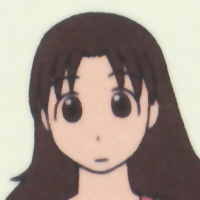
ゆかり先生
はーい みんなー 調子はどうでござるかね
英語
Heeey everyone! How are things going?
分析
はーい
みんなー
調子
は
どう
で
ござる
かね
はーい
読み方:はい
interjection
polite
1.
yes; that is correct
interjection
2.
understood; I see; OK; okay
interjection
3.
present; here
as a response to a roll call
interjection
colloquialism
4.
pardon?; what's that?; come again?
with rising intonation
interjection
5.
now; here; here you go
used when calling for someone's attention or when handing something to someone
interjection
6.
giddy-up; giddap
みんなー
書き方:皆
読み方:みんな, みな
noun
pronoun
adverb
usually-kana
1.
everyone; everybody; all
noun
adverb
usually-kana
2.
everything; all
調子
書き方:調子
読み方:ちょうし
noun
1.
tune; tone; key; pitch; time; rhythm
noun
2.
vein; mood; way; manner; style; knack
noun
3.
condition; state of health
noun
4.
impetus; spur of the moment; strain
noun
5.
trend
は
読み方:は
particle
1.
topic marker particle
pronounced わ in modern Japanese
particle
2.
indicates contrast with another option (stated or unstated)
particle
3.
adds emphasis
どう
書き方:如何
読み方:どう
adverb
usually-kana
1.
how; in what way; how about
で
読み方:で, にて
particle
1.
at; in
indicates location of action; にて is the formal literary form
particle
2.
at; when
indicates time of action
particle
3.
by; with
indicates means of action
conjunction
4.
and then; so
auxiliary
5.
and; then
indicates continuing action; alternative form of 〜て used for some verb types
particle
kansai
6.
let me tell you; don't you know
at sentence-end; indicates certainty, emphasis, etc.
ござる
書き方:御座る
読み方:ござる
活用形:plain non-past
godan-ru-verb
intransitive-verb
abbreviation
archaism
polite
usually-kana
1.
to be
usu. ございます in modern Japanese
godan-ru-verb
intransitive-verb
archaism
honorific
usually-kana
2.
to come; to go; to be (somewhere)
godan-ru-verb
intransitive-verb
archaism
honorific
usually-kana
3.
to be (doing)
after the ~て form of a verb
かね
読み方:かね
particle
1.
interrogative sentence-ending particle expressing doubt
ハイ
英語
Hi!
2コマ
おおさか
あ!ええところに
英語
Ah! Just in time!
分析
あ
!
ええ
ところ
に
あ
読み方:あっ, アッ, あ, ア
interjection
1.
ah; oh
expression of surprise, recollection, etc.
interjection
2.
hey!
used to get someone's attention
ええ
読み方:ええ, えー
interjection
1.
yes; that is correct; right
interjection
2.
um; errr
interjection
3.
huh?
interjection
4.
grrr; gah; Must I?
noun-or-verb-acting-prenominally
kansai
5.
good
ところ
書き方:所
読み方:ところ, とこ
noun
adverb
suffix
1.
place; spot; scene; site
also pronounced どころ when a suffix
noun
suffix
usually-kana
2.
address
noun
suffix
usually-kana
3.
district; area; locality
noun
suffix
usually-kana
4.
one's house
noun
suffix
usually-kana
5.
point; aspect; side; facet
noun
suffix
usually-kana
6.
passage (in text); part
noun
suffix
usually-kana
7.
space; room
noun
suffix
usually-kana
8.
thing; matter
noun
usually-kana
9.
whereupon; as a result
after the plain past form of a verb
noun
usually-kana
10.
about to; on the verge of
after present form of a verb
noun
usually-kana
11.
was just doing; was in the process of doing; have just done; just finished doing
after past form of a verb
に
読み方:に
particle
1.
at (place, time); in; on; during
particle
2.
to (direction, state); toward; into
particle
3.
for (purpose)
particle
4.
because of (reason); for; with
particle
5.
by; from
particle
6.
as (i.e. in the role of)
particle
7.
per; in; for; a (e.g. "once a month")
particle
8.
and; in addition to
3コマ
ゆかり先生
うわっ!外国人だ!
英語
WOAH! A FOREIGNER!
分析
うわっ
!
外国人
だ
!
うわっ
読み方:うわ
1.
yikes; oops; eep; wow; aargh
外国人
書き方:外国人
読み方:がいこくじん
noun
1.
foreigner; foreign citizen; foreign national; alien; non-Japanese
だ
読み方:だ
copula
1.
be; is
plain copula
auxiliary-verb
2.
did; (have) done
た after certain verb forms; indicates past or completed action
auxiliary-verb
3.
please; do
indicates light imperative
4コマ
だっ
英語
*Dash!*
おおさか
ええっ!?
英語
Huh!?
分析
ええっ
!
?
ええっ
読み方:ええ, えー
interjection
1.
yes; that is correct; right
interjection
2.
um; errr
interjection
3.
huh?
interjection
4.
grrr; gah; Must I?
noun-or-verb-acting-prenominally
kansai
5.
good
Having trouble with the vocabulary?
Download the Azumanga Daioh Anki Deck!
It covers the posted translations, and is updated each time a new one is posted!
Download the Azumanga Daioh Anki Deck!
It covers the posted translations, and is updated each time a new one is posted!