木村家の人々

◁
◂
勉強
◂
◁
第一話
英語
Members of the Kimura Household
分析
木村
家
の
人々
木村

苗字:木村(きむら)
あだ名:木村先生(きむらせんせい)
An inappropriate teacher who is a little too interested in high school girls
家
書き方:家
読み方:け
suffix
1.
house (e.g. of Tokugawa); family
の
読み方:の
particle
1.
indicates possessive
occasionally ん, orig. written 乃 or 之
particle
2.
nominalizes verbs and adjectives
particle
3.
substitutes for "ga" in subordinate phrases
particle
4.
(at sentence-end, falling tone) indicates a confident conclusion
often ん
particle
femanine
5.
(at sentence-end) indicates emotional emphasis
particle
6.
(at sentence-end, rising tone) indicates question
人々
書き方:人々
読み方:ひとびと
noun
1.
people; men and women
noun
2.
each person; everybody
1コマ

木村先生
これが一緒の写真だ
英語
This is a photo of us together.
分析
これ
が
一緒
の
写真
だ
これ
書き方:此れ
読み方:これ
pronoun
usually-kana
1.
this; this one
indicating an item near the speaker, the action of the speaker, or the current topic
pronoun
usually-kana
2.
this person
usu. indicating someone in one's in-group
pronoun
usually-kana
3.
now; this point (in time)
as これから, これまで, etc.
pronoun
dated-term
usually-kana
4.
here
adverb
formal
usually-kana
5.
used to stress the subject of a sentence
が
読み方:が
particle
1.
indicates sentence subject (occasionally object)
particle
2.
indicates possessive (esp. in literary expressions)
conjunction
3.
but; however; still; and
conjunction
4.
regardless of; whether (or not)
after the volitional form of a verb
一緒
書き方:一緒
読み方:いっしょ
adverb
noun
no-adjective
1.
together
adverb
noun
no-adjective
2.
at the same time
adverb
noun
no-adjective
3.
same; identical
の
読み方:の
particle
1.
indicates possessive
occasionally ん, orig. written 乃 or 之
particle
2.
nominalizes verbs and adjectives
particle
3.
substitutes for "ga" in subordinate phrases
particle
4.
(at sentence-end, falling tone) indicates a confident conclusion
often ん
particle
femanine
5.
(at sentence-end) indicates emotional emphasis
particle
6.
(at sentence-end, rising tone) indicates question
写真
書き方:写真
読み方:しゃしん
noun
1.
photograph; photo; picture; snapshot; snap
noun
obsolete-term
abbreviation
2.
moving picture; movie
だ
読み方:だ
copula
1.
be; is
plain copula
auxiliary-verb
2.
did; (have) done
た after certain verb forms; indicates past or completed action
auxiliary-verb
3.
please; do
indicates light imperative
2コマ
Empty Cell
3コマ

とも
あの…この子供は…
英語
Umm... And this child is...
分析
あの
…
この
子供
は
…
あの
読み方:あの, あのー
interjection
1.
say; well; um; er
この
書き方:此の
読み方:この
prenoun-adjectival
usually-kana
1.
this
something or someone close to the speaker (including the speaker), or ideas expressed by the speaker
prenoun-adjectival
usually-kana
2.
last (couple of years, etc.); these; past; this
in ref. to a stretch of time or date
prenoun-adjectival
usually-kana
3.
you (as in "you liar")
emphatic, accusatory, insulting
子供
書き方:子供, 子ども
読み方:こども
noun
1.
child
は
読み方:は
particle
1.
topic marker particle
pronounced わ in modern Japanese
particle
2.
indicates contrast with another option (stated or unstated)
particle
3.
adds emphasis
4コマ
木村先生
あぁ娘だ
英語
Ah, my daughter.
分析
あぁ
娘
だ
あぁ
読み方:あっ, アッ, あ, ア
interjection
1.
ah; oh
expression of surprise, recollection, etc.
interjection
2.
hey!
used to get someone's attention
娘
書き方:娘
読み方:むすめ
noun
1.
daughter
noun
2.
girl (i.e. a young, unmarried woman)
だ
読み方:だ
copula
1.
be; is
plain copula
auxiliary-verb
2.
did; (have) done
た after certain verb forms; indicates past or completed action
auxiliary-verb
3.
please; do
indicates light imperative
とも
利発そうなお子さんだ!!
英語
She looks like a bright child!!
分析
利発
そう
な
お子さん
だ
!
!
利発
書き方:利発, 悧発
読み方:りはつ
noun
adjectival-noun
formal
1.
clever; bright; smart; intelligent
そう
読み方:そう
auxiliary
adjectival-noun
1.
appearing that; seeming that; looking like; having the appearance of
after -masu stem or adj. stem
な
読み方:な
particle
1.
a continuous form of だ that is used for 形容動詞.
お子さん
書き方:お子さん
読み方:おこさん
noun
honorific
1.
child
だ
読み方:だ
copula
1.
be; is
plain copula
auxiliary-verb
2.
did; (have) done
た after certain verb forms; indicates past or completed action
auxiliary-verb
3.
please; do
indicates light imperative
第二話
理解超越
英語
Beyond Understanding
分析
理解
超越
理解
書き方:理解
読み方:りかい
noun
suru-verb
1.
understanding; comprehension; appreciation; sympathy
超越
書き方:超越
読み方:ちょうえつ
noun
1.
transcendence; transcendency
noun-or-verb-acting-prenominally
2.
transcendental
suru-verb
3.
to transcend; to rise above
1コマ
Empty Cell
2コマ
とも
やっぱりどう考えても木村にあの奥さんは変だ
英語
Yup, no matter how I think about it, that wife isn't right for Kimura.
分析
やっぱり
どう
考えて
も
木村
に
あの
奥さん
は
変
だ
やっぱり
書き方:矢っ張り
読み方:やっぱり
adverb
usually-kana
1.
as expected; sure enough; just as one thought
adverb
usually-kana
2.
after all (is said and done); in the end; as one would expect; in any case
adverb
usually-kana
3.
too; also; as well; likewise; (not) either
adverb
usually-kana
4.
still; as before
adverb
usually-kana
5.
all the same; even so; still; nonetheless
どう
書き方:如何
読み方:どう
adverb
usually-kana
1.
how; in what way; how about
考えて
書き方:考える
読み方:かんがえる
活用形:te-form
ichidan-verb
transitive-verb
1.
to think (about, of); to think over; to ponder; to contemplate; to reflect (on); to meditate (on)
ichidan-verb
transitive-verb
2.
to consider; to bear in mind; to allow for; to take into consideration
ichidan-verb
transitive-verb
3.
to think (that); to believe; to hold (a view); to judge; to conclude; to suspect
ichidan-verb
transitive-verb
4.
to intend (to do); to think of (doing); to plan
ichidan-verb
transitive-verb
5.
to predict; to anticipate; to expect; to imagine
ichidan-verb
transitive-verb
6.
to come up with; to think up; to contrive; to devise
ichidan-verb
transitive-verb
7.
to consider (as); to regard (as); to look on (as); to take; to view
も
読み方:も
particle
1.
too; also; in addition; as well; (not) either (in a negative sentence)
particle
2.
both A and B; A as well as B; neither A nor B (in a negative sentence)
as AもBも
particle
3.
even; as much as; as many as; as far as; as long as; no less than; no fewer than
used for emphasis or to express absence of doubt regarding a quantity, etc.
particle
4.
even if; even though; although; in spite of
often as 〜ても, 〜でも, 〜とも, etc.
adverb
colloquialism
abbreviation
5.
further; more; again; another; the other
木村
苗字:木村(きむら)
あだ名:木村先生(きむらせんせい)
An inappropriate teacher who is a little too interested in high school girls
に
読み方:に
particle
1.
at (place, time); in; on; during
particle
2.
to (direction, state); toward; into
particle
3.
for (purpose)
particle
4.
because of (reason); for; with
particle
5.
by; from
particle
6.
as (i.e. in the role of)
particle
7.
per; in; for; a (e.g. "once a month")
particle
8.
and; in addition to
あの
書き方:彼の
読み方:あの
prenoun-adjectival
usually-kana
1.
that; those; the
someone or something distant from both speaker and listener, or situation unfamiliar to both speaker and listener
奥さん
書き方:奥さん
読み方:おくさん
noun
honorific
1.
wife; your wife; his wife; married lady; madam
は
読み方:は
particle
1.
topic marker particle
pronounced わ in modern Japanese
particle
2.
indicates contrast with another option (stated or unstated)
particle
3.
adds emphasis
変
書き方:変
読み方:へん
adjectival-noun
noun
1.
strange; odd; peculiar; weird; curious; queer; eccentric; funny; suspicious; fishy
adjectival-noun
noun
2.
unexpected
adjectival-noun
noun
3.
change
adjectival-noun
noun
4.
incident; disturbance; disaster; accident
noun-prefix
music
5.
flat
だ
読み方:だ
copula
1.
be; is
plain copula
auxiliary-verb
2.
did; (have) done
た after certain verb forms; indicates past or completed action
auxiliary-verb
3.
please; do
indicates light imperative
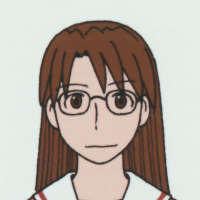
よみ
確かに
英語
Definitely.
分析
確か
に
確か
書き方:確か
読み方:たしか
adjectival-noun
noun
1.
sure; certain; positive; definite
adjectival-noun
noun
2.
reliable; trustworthy; safe; sound; firm; accurate; correct; exact
adverb
3.
If I'm not mistaken; If I remember correctly; If I remember rightly
に
読み方:に
particle
1.
at (place, time); in; on; during
particle
2.
to (direction, state); toward; into
particle
3.
for (purpose)
particle
4.
because of (reason); for; with
particle
5.
by; from
particle
6.
as (i.e. in the role of)
particle
7.
per; in; for; a (e.g. "once a month")
particle
8.
and; in addition to
3コマ
Empty Cell
4コマ

おおさか
警察に知らせといた方がええんちゃうか
英語
You think we should inform the police?
分析
警察
に
知らせ
と
いた
方
が
ええ
ん
ちゃうか
警察
書き方:警察
読み方:けいさつ
noun
1.
police
noun
abbreviation
2.
police officer
noun
abbreviation
3.
police station
に
読み方:に
particle
1.
at (place, time); in; on; during
particle
2.
to (direction, state); toward; into
particle
3.
for (purpose)
particle
4.
because of (reason); for; with
particle
5.
by; from
particle
6.
as (i.e. in the role of)
particle
7.
per; in; for; a (e.g. "once a month")
particle
8.
and; in addition to
知らせ
書き方:知らせる
読み方:しらせる
活用形:stem-form
ichidan-verb
transitive-verb
1.
to notify; to advise; to inform
と
読み方:って, て
particle
1.
you said; he said; she said; they said
casual quoting particle
particle
2.
if ... then
as たって; indicates supposition
particle
3.
do you seriously think that
as かって; indicates a satirical or rhetorical question
particle
4.
I already told you; you should know by now that; of course
indicates certainty, insistence, emphasis, etc.
particle
5.
the said ...; said ...
abbr. of という
particle
6.
says that ...
abbr. of と言っている
particle
7.
I hear that ...
abbr. of と聞いている
particle
8.
as for the term ...
abbr. of とは, というのは
particle
9.
as for ...
equiv. of は topic marker
いた
書き方:置く
読み方:おく
活用形:plain past
godan-ku-verb
transitive-verb
1.
to put; to place
godan-ku-verb
transitive-verb
2.
to leave (behind)
godan-ku-verb
transitive-verb
3.
to establish (an organization, a facility, a position, etc.); to set up
godan-ku-verb
transitive-verb
4.
to appoint (someone to a certain position); to hire; to employ
godan-ku-verb
transitive-verb
5.
to place (one's trust, one's faith, etc.); to bear (in mind, etc.)
godan-ku-verb
transitive-verb
6.
to put down a tool (e.g. a pen) hence stopping what one is doing with that tool
godan-ku-verb
transitive-verb
7.
to take in (boarders, etc.); to provide lodging in one's house
godan-ku-verb
transitive-verb
8.
to separate spatially or temporally
godan-ku-verb
auxiliary-verb
usually-kana
9.
to do something in advance
after the -te form of a verb
godan-ku-verb
auxiliary-verb
usually-kana
10.
to leave something in a certain state; to keep something in a certain state
after the -te form of a verb
方
書き方:方
読み方:ほう
noun
1.
direction; way; side; area (in a particular direction)
noun
2.
side (of an argument, etc.); one's part
often 私の方, あなたの方, etc.
noun
3.
type; category
noun
4.
field (of study, etc.)
noun
5.
indicates one side of a comparison
noun
6.
way; method; manner; means
noun
7.
length (of each side of a square)
が
読み方:が
particle
1.
indicates sentence subject (occasionally object)
particle
2.
indicates possessive (esp. in literary expressions)
conjunction
3.
but; however; still; and
conjunction
4.
regardless of; whether (or not)
after the volitional form of a verb
ええ
読み方:ええ, えー
interjection
1.
yes; that is correct; right
interjection
2.
um; errr
interjection
3.
huh?
interjection
4.
grrr; gah; Must I?
noun-or-verb-acting-prenominally
kansai
5.
good
ん
読み方:ん
1.
oh!; good heavens!
2.
ugh!; oh no!
3.
ah!; the penny drops!
4.
yes!; okay!
5.
yes; yeah; uh huh
6.
huh?; what?
auxiliary-verb
suffix
7.
not
negative verb ending used in informal speech; abbr. of negative verb ending ぬ
particle
8.
's; of; belonging to
abbr. of particle の; indicates possessive
particle
9.
at (place, time); in; on; during
abbr. of particle に; used esp. when it precedes the verb なる
ちゃうか
読み方:ちゃうか
expression
kansai
1.
isn't it?
とも
そっ そうか
英語
Y- You think so?
分析
そっ
そう
か
そう
書き方:然う
読み方:そう
adverb
usually-kana
1.
in that way; thus; such
concerning the actions of the listener or concerning the ideas expressed or understood by the listener; with a neg. sentence, implies that something isn't as much as one might think
interjection
usually-kana
2.
so
used to express agreement with something said
interjection
usually-kana
3.
so?
used to express doubt with something said
か
読み方:か
particle
1.
indicates a question
at sentence end
particle
2.
or; whether or not
after each alternative
particle
3.
some- (e.g. something, someone)
after an interrogative
particle
4.
hmm; huh
indicates doubt, uncertainty, etc.; sometimes after other particles
prefix
5.
very
emphatic prefix; usu. before an adjective
suffix
6.
-al; -ial; -ic; -ical; -ish; -y
suffix forming adjectives or adverbs; after an indeclinable word
Having trouble with the vocabulary?
Download the Azumanga Daioh Anki Deck!
It covers the posted translations, and is updated each time a new one is posted!
Download the Azumanga Daioh Anki Deck!
It covers the posted translations, and is updated each time a new one is posted!