生まれたて

◁
◂
勉強
◂
◁
第一話
英語
She had a baby?
分析
生まれた
て
生まれた
書き方:生む, 産む
読み方:うむ
活用形:passive past
godan-mu-verb
transitive-verb
1.
to give birth; to bear (child); to lay (eggs)
godan-mu-verb
transitive-verb
2.
to produce; to yield; to give rise to; to deliver
て
読み方:って, て
particle
1.
you said; he said; she said; they said
casual quoting particle
particle
2.
if ... then
as たって; indicates supposition
particle
3.
do you seriously think that
as かって; indicates a satirical or rhetorical question
particle
4.
I already told you; you should know by now that; of course
indicates certainty, insistence, emphasis, etc.
particle
5.
the said ...; said ...
abbr. of という
particle
6.
says that ...
abbr. of と言っている
particle
7.
I hear that ...
abbr. of と聞いている
particle
8.
as for the term ...
abbr. of とは, というのは
particle
9.
as for ...
equiv. of は topic marker
1コマ
よみ
ん?年賀状?
英語
Huh? A New Year's Card?
分析
ん
?
年賀状
?
ん
読み方:ん
1.
oh!; good heavens!
2.
ugh!; oh no!
3.
ah!; the penny drops!
4.
yes!; okay!
5.
yes; yeah; uh huh
6.
huh?; what?
auxiliary-verb
suffix
7.
not
negative verb ending used in informal speech; abbr. of negative verb ending ぬ
particle
8.
's; of; belonging to
abbr. of particle の; indicates possessive
particle
9.
at (place, time); in; on; during
abbr. of particle に; used esp. when it precedes the verb なる
年賀状
書き方:年賀状
読み方:ねんがじょう
noun
1.
New Year's card
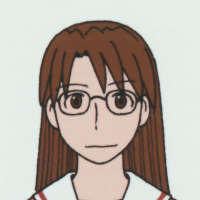
ゆかり先生からか…
英語
From Ms. Yukari, huh...
分析
ゆかり
先生
から
か
…
ゆかり

名前:ゆかり
苗字:谷崎(たにざき)
An English teacher who may not always act in a responsible manner.
先生
書き方:先生
読み方:せんせい
noun
1.
teacher; instructor; master
noun
noun-suffix
honorific
2.
sensei; title or form of address for a teacher, master, doctor, lawyer, etc.
noun
familiar
jocular-term
3.
intimate or teasing form of address
から
読み方:から
particle
1.
from (e.g. time, place, numerical quantity); since
particle
2.
from (originator); by
particle
3.
because; since
follows verbs, adjectives
particle
4.
out of (constituent, part)
particle
5.
through (e.g. window, vestibule)
particle
6.
after; since
following the te-form of a verb
particle
7.
expresses sympathy or warning
か
読み方:か
particle
1.
indicates a question
at sentence end
particle
2.
or; whether or not
after each alternative
particle
3.
some- (e.g. something, someone)
after an interrogative
particle
4.
hmm; huh
indicates doubt, uncertainty, etc.; sometimes after other particles
prefix
5.
very
emphatic prefix; usu. before an adjective
suffix
6.
-al; -ial; -ic; -ical; -ish; -y
suffix forming adjectives or adverbs; after an indeclinable word
2コマ
あけましておめでとう 今年もよろしく
英語
Happy New Years! Here's to another great year together!
分析
あけましておめでとう
今年
も
よろしく
あけましておめでとう
書き方:明けましておめでとうございます, 明けましておめでとう
読み方:あけましておめでとうございます, あけましておめでとう
expression
1.
Happy New Year
今年
書き方:今年
読み方:ことし
noun
adverb
1.
this year
も
読み方:も
particle
1.
too; also; in addition; as well; (not) either (in a negative sentence)
particle
2.
both A and B; A as well as B; neither A nor B (in a negative sentence)
as AもBも
particle
3.
even; as much as; as many as; as far as; as long as; no less than; no fewer than
used for emphasis or to express absence of doubt regarding a quantity, etc.
particle
4.
even if; even though; although; in spite of
often as 〜ても, 〜でも, 〜とも, etc.
adverb
colloquialism
abbreviation
5.
further; more; again; another; the other
よろしく
書き方:宜しく
読み方:よろしく
expression
adverb
usually-kana
1.
well; properly; suitably
expression
adverb
2.
best regards; please remember me; please treat me favorably (favourably); please take care of; please do
expression
adverb
3.
just like ...; as though one were ...
as ...よろしく
expression
adverb
4.
by all means; of course
as よろしく…べし
3コマ
Empty Cell
4コマ
よみ
え…!?
英語
HUH...!?
分析
え
…
!
?
え
読み方:え
interjection
1.
eh?; what?; oh?
interjection
2.
yes; that's correct
第二話
ゆかり夫人
英語
Mrs. Yukari
分析
ゆかり
夫人
ゆかり
名前:ゆかり
苗字:谷崎(たにざき)
An English teacher who may not always act in a responsible manner.
夫人
書き方:夫人
読み方:ふじん
noun
honorific
1.
wife; Mrs; madam
1コマ

ゆかり先生
おっはろー
英語
O-hello!
分析
おっ
はろー
はろー
読み方:ハロー
noun
1.
halo
noun
2.
hello; hallo; hullo
noun
3.
harrow
ザワ ザワ ザワ
英語
*chatter chatter chatter*
分析
ザワ
ザワ
ザワ
ザワ
読み方:ざわざわ, ザワ
adverb
adverb-taking-to-particle
suru-verb
onomatopoeia
1.
noisily (e.g. from many people talking); creating a commotion
adverb
adverb-taking-to-particle
suru-verb
onomatopoeia
2.
rustling (leaves)
adverb
adverb-taking-to-particle
suru-verb
onomatopoeia
3.
feeling a chill; getting the chills
ザワ
読み方:ざわざわ, ザワ
adverb
adverb-taking-to-particle
suru-verb
onomatopoeia
1.
noisily (e.g. from many people talking); creating a commotion
adverb
adverb-taking-to-particle
suru-verb
onomatopoeia
2.
rustling (leaves)
adverb
adverb-taking-to-particle
suru-verb
onomatopoeia
3.
feeling a chill; getting the chills
ザワ
読み方:ざわざわ, ザワ
adverb
adverb-taking-to-particle
suru-verb
onomatopoeia
1.
noisily (e.g. from many people talking); creating a commotion
adverb
adverb-taking-to-particle
suru-verb
onomatopoeia
2.
rustling (leaves)
adverb
adverb-taking-to-particle
suru-verb
onomatopoeia
3.
feeling a chill; getting the chills
2コマ

とも
ゆかりちゃん!あの年賀状なに!?
英語
Ms. Yukari! What's up with that New Year's Card!?
分析
ゆかり
ちゃん
!
あの
年賀状
なに
!
?
ゆかり
名前:ゆかり
苗字:谷崎(たにざき)
An English teacher who may not always act in a responsible manner.
ちゃん
読み方:ちゃん
suffix
familiar
1.
suffix for familiar person
あの
書き方:彼の
読み方:あの
prenoun-adjectival
usually-kana
1.
that; those; the
someone or something distant from both speaker and listener, or situation unfamiliar to both speaker and listener
年賀状
書き方:年賀状
読み方:ねんがじょう
noun
1.
New Year's card
なに
書き方:何
読み方:なに
pronoun
1.
what
pronoun
2.
you-know-what; that thing
pronoun
3.
whatsit; whachamacallit; what's-his-name; what's-her-name
adverb
4.
(not) at all; (not) in the slightest
with neg. sentence
interjection
5.
what?; huh?
indicates surprise
interjection
6.
hey!
indicates anger or irritability
interjection
7.
oh, no (it's fine); why (it's nothing); oh (certainly not)
used to dismiss someone's worries, concerns, etc.
ゆかり先生
あー出すの遅れちゃってねー
英語
Ahh, I sent it out late, right.
分析
あー
出す
の
遅れちゃって
ねー
あー
書き方:嗚呼
読み方:ああ, あー
interjection
usually-kana
1.
ah!; oh!; alas!
also written as 於乎, 於戯, 嗟乎, 嗟夫, 吁, etc.
interjection
usually-kana
2.
yes; indeed; that is correct
interjection
usually-kana
3.
aah; gah; argh
in exasperation
interjection
usually-kana
4.
hey!; yo!
interjection
usually-kana
5.
uh huh; yeah yeah; right; gotcha
出す
書き方:出す
読み方:だす
活用形:plain non-past
godan-su-verb
transitive-verb
1.
to take out; to get out
godan-su-verb
transitive-verb
2.
to put out; to reveal; to show
godan-su-verb
transitive-verb
3.
to submit (e.g. thesis); to turn in
godan-su-verb
transitive-verb
4.
to publish; to make public
godan-su-verb
transitive-verb
5.
to send (e.g. letter)
godan-su-verb
transitive-verb
6.
to produce (a sound); to start (fire)
godan-su-verb
transitive-verb
7.
to serve (food)
suffix
godan-su-verb
8.
... out (e.g. to jump out, to carry out)
after the -masu stem of a verb
suffix
godan-su-verb
9.
to begin ...; to start to ...; to burst into ...
after the -masu stem of a verb
の
読み方:の
particle
1.
indicates possessive
occasionally ん, orig. written 乃 or 之
particle
2.
nominalizes verbs and adjectives
particle
3.
substitutes for "ga" in subordinate phrases
particle
4.
(at sentence-end, falling tone) indicates a confident conclusion
often ん
particle
femanine
5.
(at sentence-end) indicates emotional emphasis
particle
6.
(at sentence-end, rising tone) indicates question
遅れちゃって
書き方:遅れる
読み方:おくれる
活用形:chau te-form
ichidan-verb
intransitive-verb
1.
to be late; to be delayed; to fall behind schedule; to be overdue
usu. 遅れる
ichidan-verb
intransitive-verb
2.
to fall behind (in a race, one's studies, etc.); to lag behind; to be behind (the times)
oft. 後れる
ichidan-verb
intransitive-verb
3.
to be bereaved of; to be preceded by (someone) in death
oft. 後れる
ichidan-verb
intransitive-verb
4.
to be slow (of a clock or watch)
ねー
読み方:ね
particle
1.
right?; isn't it?; doesn't it?; don't you?; don't you think?
at sentence end; used as a request for confirmation or agreement
interjection
2.
hey; say; listen; look; come on
particle
3.
you know; you see; I must say; I should think
at sentence end; used to express one's thoughts or feelings
particle
4.
will you?; please
at sentence end; used to make an informal request
particle
5.
so, ...; well, ...; you see, ...; you understand?
at the end of a non-final clause; used to draw the listener's attention to something
particle
6.
I'm not sure if ...; I have my doubts about whether ...
at sentence end after the question marker か
3コマ

誰か
じゃなくて子供!
英語
NOT THAT - THE CHILD!
分析
じゃなくて
子供
!
じゃなくて
読み方:じゃない
活用形:te-form
expression
adjective
usually-kana
1.
is not; am not; are not
from ではない
expression
adjective
usually-kana
2.
isn't it?
子供
書き方:子供, 子ども
読み方:こども
noun
1.
child
誰か
いつ産んだんですか!?
英語
When did you give birth!?
分析
いつ
産んだ
んです
か
!
?
いつ
書き方:何時
読み方:いつ
pronoun
usually-kana
1.
when; at what time; how soon
pronoun
usually-kana
dated-term
2.
normal times; ordinary days
産んだ
書き方:生む, 産む
読み方:うむ
活用形:plain past
godan-mu-verb
transitive-verb
1.
to give birth; to bear (child); to lay (eggs)
godan-mu-verb
transitive-verb
2.
to produce; to yield; to give rise to; to deliver
んです
読み方:のです, んです
expression
1.
the expectation is that ...; the reason is that ...; the fact is that ...; the explanation is that ...; it is that ...
の and ん add emphasis
か
読み方:か
particle
1.
indicates a question
at sentence end
particle
2.
or; whether or not
after each alternative
particle
3.
some- (e.g. something, someone)
after an interrogative
particle
4.
hmm; huh
indicates doubt, uncertainty, etc.; sometimes after other particles
prefix
5.
very
emphatic prefix; usu. before an adjective
suffix
6.
-al; -ial; -ic; -ical; -ish; -y
suffix forming adjectives or adverbs; after an indeclinable word
誰か
おめでとうございますー
英語
Congratulations!
分析
おめでとうございますー
おめでとうございますー
書き方:おめでとう御座います
読み方:おめでとうございます
expression
polite
usually-kana
1.
congratulations
4コマ
ゆかり先生
あれ いとこの赤ちゃんよ
英語
Umm, that's my cousin's child.
分析
あれ
いとこ
の
赤ちゃん
よ
あれ
読み方:あれ, あれっ, あれえ, あれー
1.
huh?; eh?; what?; oh; hey!; look!; listen!
Indicates surprise, suspicion, etc.
いとこ
書き方:従姉妹
読み方:いとこ
noun
usually-kana
1.
cousin (female)
の
読み方:の
particle
1.
indicates possessive
occasionally ん, orig. written 乃 or 之
particle
2.
nominalizes verbs and adjectives
particle
3.
substitutes for "ga" in subordinate phrases
particle
4.
(at sentence-end, falling tone) indicates a confident conclusion
often ん
particle
femanine
5.
(at sentence-end) indicates emotional emphasis
particle
6.
(at sentence-end, rising tone) indicates question
赤ちゃん
書き方:赤ちゃん
読み方:あかちゃん
noun
1.
baby; infant
よ
読み方:よ
particle
1.
hey; you
at sentence-end; indicates certainty, emphasis, contempt, request, etc.
particle
2.
hey
after a noun; used when calling out to someone
particle
3.
hey; hold on
in mid-sentence; used to catch one's breath or get someone's attention
interjection
4.
yo; hey
学生達
まぎらわしい事すんなー!!
英語
DON'T BE SO MISLEADING!!
分析
まぎらわしい
事
すんなー
!
!
まぎらわしい
書き方:紛らわしい
読み方:まぎらわしい
活用形:non-past
adjective
1.
easily mixed up (e.g. similar words); easily mistaken; confusingly similar; misleading; equivocal; ambiguous
事
書き方:事
読み方:こと
noun
usually-kana
1.
thing; matter
noun
usually-kana
2.
incident; occurrence; event; something serious; trouble; crisis
noun
usually-kana
3.
circumstances; situation; state of affairs
noun
usually-kana
4.
work; business; affair
noun
usually-kana
5.
after an inflectable word, creates a noun phrase indicating something the speaker does not feel close to
noun-suffix
usually-kana
6.
nominalizing suffix
noun-suffix
usually-kana
7.
pretending to ...; playing make-believe ...
noun
usually-kana
8.
alias; also known as; otherwise known as; or
as AことB (A = alias, B = real name)
noun
usually-kana
9.
necessity; need
as 〜ことはない
noun
usually-kana
10.
you should ...; I advise that you ...; it's important to ...
as 〜ことだ
すんなー
読み方:すんな
expression
colloquialism
1.
don't
contraction of するな
Having trouble with the vocabulary?
Download the Azumanga Daioh Anki Deck!
It covers the posted translations, and is updated each time a new one is posted!
Download the Azumanga Daioh Anki Deck!
It covers the posted translations, and is updated each time a new one is posted!