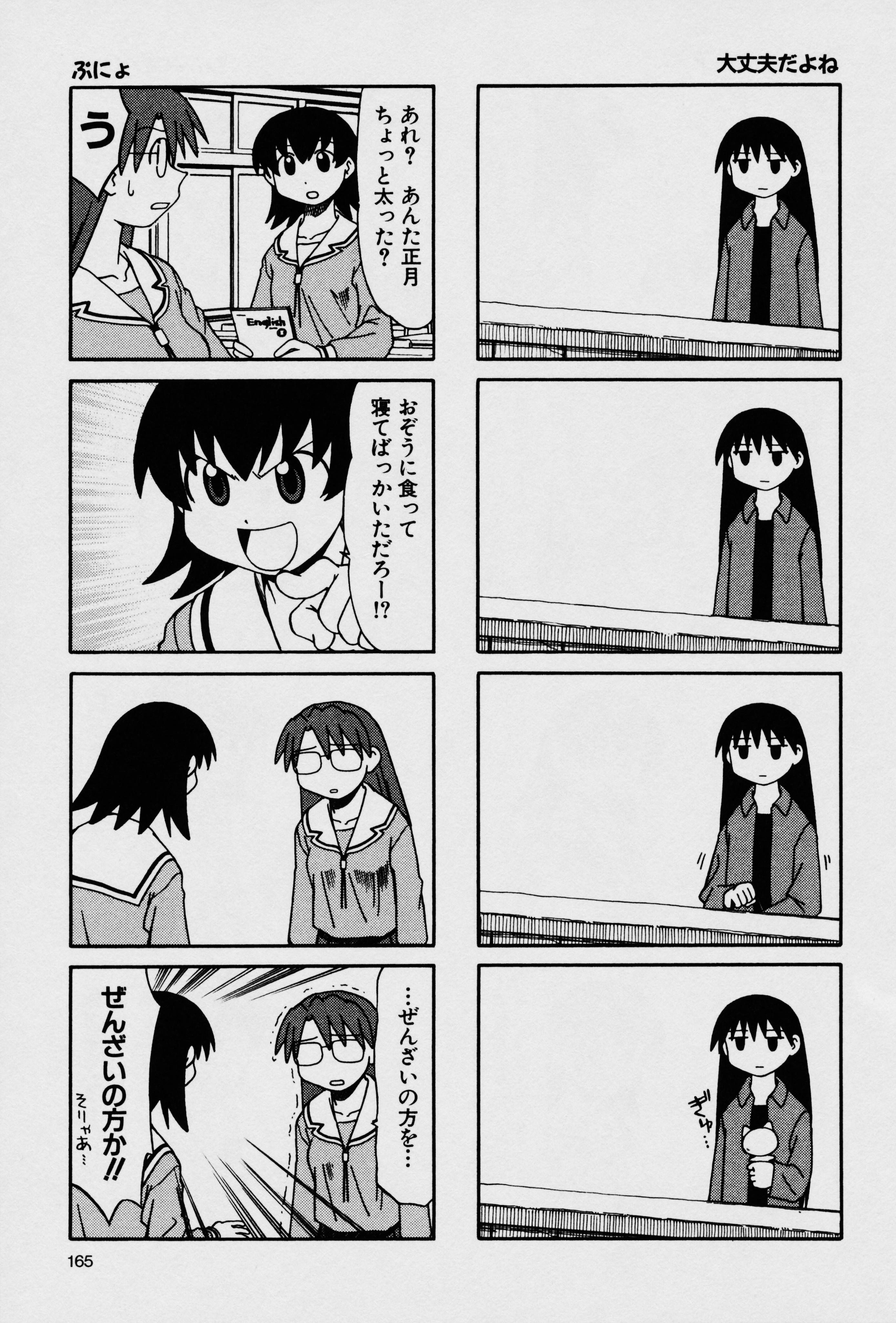
大丈夫だよね
◁
◂
勉強
◂
◁
第一話
英語
It'll be alright, won't it?
分析
大丈夫
だ
よ
ね
大丈夫
書き方:大丈夫
読み方:だいじょうぶ
adjectival-noun
1.
safe; secure; sound; problem-free; without fear; all right; alright; OK; okay
adverb
2.
certainly; surely; undoubtedly
interjection
adjectival-noun
colloquialism
3.
no thanks; I'm good; that's alright
だ
読み方:だ
copula
1.
be; is
plain copula
auxiliary-verb
2.
did; (have) done
た after certain verb forms; indicates past or completed action
auxiliary-verb
3.
please; do
indicates light imperative
よ
読み方:よ
particle
1.
hey; you
at sentence-end; indicates certainty, emphasis, contempt, request, etc.
particle
2.
hey
after a noun; used when calling out to someone
particle
3.
hey; hold on
in mid-sentence; used to catch one's breath or get someone's attention
interjection
4.
yo; hey
ね
読み方:ね
particle
1.
right?; isn't it?; doesn't it?; don't you?; don't you think?
at sentence end; used as a request for confirmation or agreement
interjection
2.
hey; say; listen; look; come on
particle
3.
you know; you see; I must say; I should think
at sentence end; used to express one's thoughts or feelings
particle
4.
will you?; please
at sentence end; used to make an informal request
particle
5.
so, ...; well, ...; you see, ...; you understand?
at the end of a non-final clause; used to draw the listener's attention to something
particle
6.
I'm not sure if ...; I have my doubts about whether ...
at sentence end after the question marker か
1コマ
Empty Cell
2コマ
Empty Cell
3コマ
Empty Cell
4コマ
ぎゅ…
英語
*Squeeze...*
第二話
ぷにょ
英語
Squishy
1コマ

とも
あれ? あんた正月ちょっと太った?
英語
Huh? Did you put on a few pounds over the New Years?
分析
あれ
?
あんた
正月
ちょっと
太った
?
あれ
読み方:あれ, あれっ, あれえ, あれー
1.
huh?; eh?; what?; oh; hey!; look!; listen!
Indicates surprise, suspicion, etc.
あんた
書き方:貴方
読み方:あんた
pronoun
colloquialism
usually-kana
1.
you
familiar form of あなた; oft. considered rude
正月
書き方:正月
読み方:しょうがつ
noun
1.
New Year (esp. first three days)
noun
2.
first month of the year; January
ちょっと
書き方:一寸, 鳥渡
読み方:ちょっと
adverb
usually-kana
1.
a little; a bit; slightly
adverb
usually-kana
2.
just a minute; for a moment; briefly
adverb
usually-kana
3.
somewhat; rather; fairly; pretty; quite
adverb
usually-kana
4.
(not) easily; (not) readily
before a verb in negative form
interjection
usually-kana
5.
hey!; come on; excuse me
expression
usually-kana
6.
thanks, but no; not feasible; not possible
太った
書き方:太る
読み方:ふとる
活用形:plain past
godan-ru-verb
intransitive-verb
1.
to put on weight; to gain weight; to grow fat; to get stout

よみ
う
英語
Urk!
2コマ
とも
おぞうに食って寝てばっかいただろー!?
英語
Lemme guess, you did nothing but eat soup and sleep!?
分析
お
ぞうに
食って
寝て
ばっか
いた
だろー
!
?
お
書き方:御
読み方:お
prefix
honorific
polite
humble
usually-kana
1.
honorific/polite/humble prefix
usu. before a term with a kun-yomi reading; おん is more formal
ぞうに
書き方:雑煮
読み方:ぞうに
noun
1.
soup containing rice cakes and vegetables (New Year's dish)
食って
書き方:食う, 喰う
読み方:くう
活用形:te-form
godan-u-verb
transitive-verb
masculine
1.
to eat
godan-u-verb
transitive-verb
2.
to live; to make a living; to survive
godan-u-verb
transitive-verb
3.
to bite; to sting (as insects do)
godan-u-verb
transitive-verb
4.
to tease; to torment; to taunt; to make light of; to make fun of
godan-u-verb
transitive-verb
5.
to encroach on; to eat into; to consume
godan-u-verb
transitive-verb
6.
to defeat a superior; to threaten a position
godan-u-verb
transitive-verb
7.
to consume time and-or resources
godan-u-verb
transitive-verb
colloquialism
8.
to receive something (usu. an unfavourable event)
godan-u-verb
transitive-verb
masculine
vulgar
9.
to have sexual relations with a woman, esp. for the first time
寝て
書き方:寝る
読み方:ねる
活用形:te-form
ichidan-verb
intransitive-verb
1.
to sleep (lying down)
ichidan-verb
intransitive-verb
2.
to go to bed; to lie in bed
ichidan-verb
intransitive-verb
3.
to lie down
ichidan-verb
intransitive-verb
4.
to sleep (with someone, i.e. have intercourse)
ichidan-verb
intransitive-verb
5.
to lie flat (e.g. of hair)
ichidan-verb
intransitive-verb
6.
to lie idle (of funds, stock, etc.)
ichidan-verb
intransitive-verb
7.
to ferment (of soy sauce, miso, etc.)
ばっか
読み方:ばっか
particle
colloquialism
1.
only; merely; nothing but; no more than
いた
書き方:居る
読み方:いる
活用形:plain past
ichidan-verb
intransitive-verb
usually-kana
1.
to be (of animate objects); to exist
ichidan-verb
intransitive-verb
usually-kana
2.
to stay
ichidan-verb
auxiliary-verb
usually-kana
3.
to be ...-ing; to have been ...-ing
after the -te form of a verb; indicates continuing action or state
だろー
読み方:だろう, だろ
expression
1.
seems; I think; I guess; I wonder; I hope
expression
2.
don't you agree?; I thought you'd say that!
3コマ
Empty Cell
4コマ
よみ
…ぜんざいの方を…
英語
...I went with the Zenzai...
分析
…
ぜんざい
の
方
を
…
ぜんざい
書き方:善哉
読み方:ぜんざい
1.
well done!; bravo!
noun
food
usually-kana
2.
zenzai; red bean soup made with azuki beans
の
読み方:の
particle
1.
indicates possessive
occasionally ん, orig. written 乃 or 之
particle
2.
nominalizes verbs and adjectives
particle
3.
substitutes for "ga" in subordinate phrases
particle
4.
(at sentence-end, falling tone) indicates a confident conclusion
often ん
particle
femanine
5.
(at sentence-end) indicates emotional emphasis
particle
6.
(at sentence-end, rising tone) indicates question
方
書き方:方
読み方:ほう
noun
1.
direction; way; side; area (in a particular direction)
noun
2.
side (of an argument, etc.); one's part
often 私の方, あなたの方, etc.
noun
3.
type; category
noun
4.
field (of study, etc.)
noun
5.
indicates one side of a comparison
noun
6.
way; method; manner; means
noun
7.
length (of each side of a square)
を
読み方:を
particle
1.
indicates direct object of action
particle
2.
indicates subject of causative expression
particle
3.
indicates an area traversed
particle
4.
indicates time (period) over which action takes place
particle
5.
indicates point of departure or separation of action
particle
6.
indicates object of desire, like, hate, etc.
とも
ぜんざいの方か!!
英語
You went with the Zenzai!!
分析
ぜんざい
の
方
か
!
!
ぜんざい
書き方:善哉
読み方:ぜんざい
1.
well done!; bravo!
noun
food
usually-kana
2.
zenzai; red bean soup made with azuki beans
の
読み方:の
particle
1.
indicates possessive
occasionally ん, orig. written 乃 or 之
particle
2.
nominalizes verbs and adjectives
particle
3.
substitutes for "ga" in subordinate phrases
particle
4.
(at sentence-end, falling tone) indicates a confident conclusion
often ん
particle
femanine
5.
(at sentence-end) indicates emotional emphasis
particle
6.
(at sentence-end, rising tone) indicates question
方
書き方:方
読み方:ほう
noun
1.
direction; way; side; area (in a particular direction)
noun
2.
side (of an argument, etc.); one's part
often 私の方, あなたの方, etc.
noun
3.
type; category
noun
4.
field (of study, etc.)
noun
5.
indicates one side of a comparison
noun
6.
way; method; manner; means
noun
7.
length (of each side of a square)
か
読み方:か
particle
1.
indicates a question
at sentence end
particle
2.
or; whether or not
after each alternative
particle
3.
some- (e.g. something, someone)
after an interrogative
particle
4.
hmm; huh
indicates doubt, uncertainty, etc.; sometimes after other particles
prefix
5.
very
emphatic prefix; usu. before an adjective
suffix
6.
-al; -ial; -ic; -ical; -ish; -y
suffix forming adjectives or adverbs; after an indeclinable word
そりゃあ…
英語
Well, that explains it...
分析
そりゃあ
…
そりゃあ
読み方:それは, そりゃ, そりゃあ
adverb
1.
very; extremely
expression
2.
that is
A casual contraction of それは.
ノート
The joke here is that Zenzai is sweeter, and more calorie-dense than Ozouni (a savory New Year’s soup with veggies and mochi), so it’s obvious Yomi would gain weight.
Having trouble with the vocabulary?
Download the Azumanga Daioh Anki Deck!
It covers the posted translations, and is updated each time a new one is posted!
Download the Azumanga Daioh Anki Deck!
It covers the posted translations, and is updated each time a new one is posted!