はや

◁
◂
勉強
◂
◁
第一話
英語
So Fast!
分析
はや
はや
書き方:早
読み方:はや
adverb
1.
already; now; by this time
noun-prefix
noun-suffix
noun
2.
quick; early; fast; rapid
1コマ
Empty Cell
2コマ
ピューーーー
英語
*Whooosh!*
3コマ
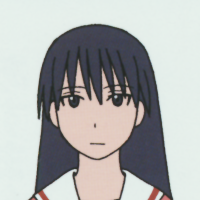
さかき
まけ…
英語
I lost...
分析
まけ
…
まけ
書き方:負け
読み方:まけ
noun
1.
defeat; loss; losing (a game)
suffix
2.
failing to live up to (one's name, looks, etc.)
noun
3.
discount; loss (on a sale)

とも
そんな 今日はたまたまツッコミが入らなかっただけ
英語
No way, it's just that nobody happened to chime in with a good comeback today.
分析
そんな
今日
は
たまたま
ツッコミ
が
入らなかった
だけ
そんな
読み方:そんな
prenoun-adjectival
1.
such; that sort of; that kind of; like that
about the actions of the listener, or about ideas expressed or understood by the listener
interjection
colloquialism
2.
no way!; never!
今日
書き方:今日
読み方:きょう, こんにち
noun
adverb
1.
today; this day
noun
adverb
2.
these days; recently; nowadays
は
読み方:は
particle
1.
topic marker particle
pronounced わ in modern Japanese
particle
2.
indicates contrast with another option (stated or unstated)
particle
3.
adds emphasis
たまたま
書き方:偶々
読み方:たまたま
adverb
usually-kana
1.
occasionally; once in a while; seldom
adverb
usually-kana
2.
casually; unexpectedly; accidentally; by chance
ツッコミ
書き方:突っ込み
読み方:つっこみ
noun
1.
thrust; charge; penetration
noun
2.
digging into (a matter); depth
noun
usually-kana
3.
straight man (of a comedy duo)
noun
4.
quip; jab; dig; retort; riposte; comeback
noun
5.
putting everything together; including everything
noun
slang
6.
(penetrative) sex; intercourse
が
読み方:が
particle
1.
indicates sentence subject (occasionally object)
particle
2.
indicates possessive (esp. in literary expressions)
conjunction
3.
but; however; still; and
conjunction
4.
regardless of; whether (or not)
after the volitional form of a verb
入らなかった
書き方:入る
読み方:はいる
活用形:negative past
godan-ru-verb
intransitive-verb
1.
to enter; to go into
godan-ru-verb
intransitive-verb
2.
to break into
godan-ru-verb
intransitive-verb
3.
to join; to enroll
godan-ru-verb
intransitive-verb
4.
to contain; to hold; to accommodate
godan-ru-verb
intransitive-verb
5.
to have (an income of)
godan-ru-verb
intransitive-verb
6.
to get turned on; to start functioning; to start working
godan-ru-verb
intransitive-verb
7.
to get; to obtain; to receive; to score
だけ
書き方:丈
読み方:だけ
particle
usually-kana
1.
only; just; merely; simply; no more than; nothing but; alone
particle
usually-kana
2.
as much as; to the extent of; enough to
ノート
I think the joke here is that, since nobody had a good comeback aimed at her, she was able to perform better than she usually would.
4コマ
とも
それに速いっていっても車ほどじゃないの
英語
Besides, even if you say I'm fast, I'm not as fast as a car.
分析
それに
速い
って
いって
も
車
ほど
じゃない
の
それに
書き方:其れに
読み方:それに
conjunction
usually-kana
1.
besides; in addition; also; moreover
速い
書き方:早い, 速い
読み方:はやい
活用形:non-past
adjective
1.
fast; quick; hasty; brisk
esp. 速い, 疾い, 捷い
adjective
2.
early (in the day, etc.); premature
esp. 早い
adjective
3.
(too) soon; not yet; (too) early
esp. 早い
adjective
4.
easy; simple; quick
esp. 早い
って
読み方:って, て
particle
1.
you said; he said; she said; they said
casual quoting particle
particle
2.
if ... then
as たって; indicates supposition
particle
3.
do you seriously think that
as かって; indicates a satirical or rhetorical question
particle
4.
I already told you; you should know by now that; of course
indicates certainty, insistence, emphasis, etc.
particle
5.
the said ...; said ...
abbr. of という
particle
6.
says that ...
abbr. of と言っている
particle
7.
I hear that ...
abbr. of と聞いている
particle
8.
as for the term ...
abbr. of とは, というのは
particle
9.
as for ...
equiv. of は topic marker
いって
書き方:一手
読み方:いって
noun
1.
one move (in go, shogi, etc.)
noun
2.
only way; only means
noun
3.
doing alone; doing single-handed; monopoly
も
読み方:も
particle
1.
too; also; in addition; as well; (not) either (in a negative sentence)
particle
2.
both A and B; A as well as B; neither A nor B (in a negative sentence)
as AもBも
particle
3.
even; as much as; as many as; as far as; as long as; no less than; no fewer than
used for emphasis or to express absence of doubt regarding a quantity, etc.
particle
4.
even if; even though; although; in spite of
often as 〜ても, 〜でも, 〜とも, etc.
adverb
colloquialism
abbreviation
5.
further; more; again; another; the other
車
書き方:車
読み方:くるま
noun
1.
car; automobile; vehicle
noun
2.
wheel
ほど
書き方:程
読み方:ほど
noun
adverb
usually-kana
1.
extent; degree; measure
noun
usually-kana
2.
limit; bounds
noun
usually-kana
3.
(span of) time
noun
usually-kana
4.
(a) distance
noun
usually-kana
5.
the state of; the status of; the condition of
as 〜のほど
particle
usually-kana
6.
about; around; approximately; or so
particle
usually-kana
7.
as much as ...; to the extent of ...; like ...
particle
usually-kana
8.
the more ... the more ...
oft. as 〜ば...ほど
じゃない
読み方:じゃない
活用形:non-past
expression
adjective
usually-kana
1.
is not; am not; are not
from ではない
expression
adjective
usually-kana
2.
isn't it?
の
読み方:の
particle
1.
indicates possessive
occasionally ん, orig. written 乃 or 之
particle
2.
nominalizes verbs and adjectives
particle
3.
substitutes for "ga" in subordinate phrases
particle
4.
(at sentence-end, falling tone) indicates a confident conclusion
often ん
particle
femanine
5.
(at sentence-end) indicates emotional emphasis
particle
6.
(at sentence-end, rising tone) indicates question
上には上があるのよ
英語
反訳
There's always someone better.
直訳
Above, there is always another above.
分析
上
には
上
が
ある
の
よ
上
書き方:上
読み方:うえ
noun
no-adjective
adverb
noun-suffix
1.
above; up; over; elder (e.g. daughter)
noun
2.
top; summit; head (e.g. of a staircase)
noun
3.
surface
noun
no-adjective
adverb
4.
before; previous
noun
no-adjective
5.
superiority; one's superior; one's elder
noun
adverb
6.
on top of that; besides; what's more; not only ... but
following a verb or adjective
noun
adverb
7.
upon (further inspection, etc.); based on (and occurring after)
following a verb or noun
noun
adverb
8.
matters concerning ...; as concerns ...
noun
adverb
9.
since (i.e. "for that reason")
as ~上は
noun-suffix
honorific
10.
honorable; venerable
suffix indicating higher social standing than the speaker
には
読み方:には
expression
particle
1.
to; for; on; in; at
emphasises word marked by に
expression
particle
2.
in order to; for
expression
particle
3.
as for; regarding
indicates respect for subject of sentence
expression
particle
4.
while it is (was) the case that ...; indeed ... (but); certainly ... (but)
as AにはAが...; emphasizes the repeated word, followed by a contrasting statement
上
書き方:上
読み方:うえ
noun
no-adjective
adverb
noun-suffix
1.
above; up; over; elder (e.g. daughter)
noun
2.
top; summit; head (e.g. of a staircase)
noun
3.
surface
noun
no-adjective
adverb
4.
before; previous
noun
no-adjective
5.
superiority; one's superior; one's elder
noun
adverb
6.
on top of that; besides; what's more; not only ... but
following a verb or adjective
noun
adverb
7.
upon (further inspection, etc.); based on (and occurring after)
following a verb or noun
noun
adverb
8.
matters concerning ...; as concerns ...
noun
adverb
9.
since (i.e. "for that reason")
as ~上は
noun-suffix
honorific
10.
honorable; venerable
suffix indicating higher social standing than the speaker
が
読み方:が
particle
1.
indicates sentence subject (occasionally object)
particle
2.
indicates possessive (esp. in literary expressions)
conjunction
3.
but; however; still; and
conjunction
4.
regardless of; whether (or not)
after the volitional form of a verb
ある
書き方:有る, 在る
読み方:ある
活用形:plain non-past
irregular-godan-ru-verb
intransitive-verb
usually-kana
1.
to be; to exist; to live
usu. of inanimate objects
irregular-godan-ru-verb
intransitive-verb
usually-kana
2.
to have
irregular-godan-ru-verb
intransitive-verb
usually-kana
3.
to be located
irregular-godan-ru-verb
intransitive-verb
usually-kana
4.
to be equipped with
irregular-godan-ru-verb
intransitive-verb
usually-kana
5.
to happen; to come about
の
読み方:の
particle
1.
indicates possessive
occasionally ん, orig. written 乃 or 之
particle
2.
nominalizes verbs and adjectives
particle
3.
substitutes for "ga" in subordinate phrases
particle
4.
(at sentence-end, falling tone) indicates a confident conclusion
often ん
particle
femanine
5.
(at sentence-end) indicates emotional emphasis
particle
6.
(at sentence-end, rising tone) indicates question
よ
読み方:よ
particle
1.
hey; you
at sentence-end; indicates certainty, emphasis, contempt, request, etc.
particle
2.
hey
after a noun; used when calling out to someone
particle
3.
hey; hold on
in mid-sentence; used to catch one's breath or get someone's attention
interjection
4.
yo; hey
第二話
榊の場合
英語
In Sakaki's Case
分析
榊
の
場合
榊
書き方:榊
読み方:さかき
noun
1.
sakaki (species of evergreen sacred to Shinto, Cleyera japonica)
noun
2.
evergreen (esp. one planted or used at a shrine)
の
読み方:の
particle
1.
indicates possessive
occasionally ん, orig. written 乃 or 之
particle
2.
nominalizes verbs and adjectives
particle
3.
substitutes for "ga" in subordinate phrases
particle
4.
(at sentence-end, falling tone) indicates a confident conclusion
often ん
particle
femanine
5.
(at sentence-end) indicates emotional emphasis
particle
6.
(at sentence-end, rising tone) indicates question
場合
書き方:場合
読み方:ばあい
adverb
noun
1.
case; situation
1コマ
榊の初夢
英語
Sakaki's New Year's Dream
分析
榊
の
初夢
榊
書き方:榊
読み方:さかき
noun
1.
sakaki (species of evergreen sacred to Shinto, Cleyera japonica)
noun
2.
evergreen (esp. one planted or used at a shrine)
の
読み方:の
particle
1.
indicates possessive
occasionally ん, orig. written 乃 or 之
particle
2.
nominalizes verbs and adjectives
particle
3.
substitutes for "ga" in subordinate phrases
particle
4.
(at sentence-end, falling tone) indicates a confident conclusion
often ん
particle
femanine
5.
(at sentence-end) indicates emotional emphasis
particle
6.
(at sentence-end, rising tone) indicates question
初夢
書き方:初夢
読み方:はつゆめ
noun
1.
first dream of the year
2コマ

ちよ
榊さんにはかわいいネコをさしあげたい
英語
I'd like to give you a cute cat, Sakaki!
分析
榊
さん
には
かわいい
ネコ
を
さしあげたい
榊

苗字:榊(さかき)
A very tall athletic girl who often comes off as a little scary. However, it seems she has a bit of a softer side. Maybe she’s just a normal girl after all?
さん
読み方:さん
suffix
honorific
familiar
1.
Mr.; Mrs.; Miss; Ms.; -san
after a person's name (or position, etc.)
suffix
polite
2.
politeness marker
usu. after a noun or sometimes na-adjective
には
読み方:には
expression
particle
1.
to; for; on; in; at
emphasises word marked by に
expression
particle
2.
in order to; for
expression
particle
3.
as for; regarding
indicates respect for subject of sentence
expression
particle
4.
while it is (was) the case that ...; indeed ... (but); certainly ... (but)
as AにはAが...; emphasizes the repeated word, followed by a contrasting statement
かわいい
書き方:可愛い
読み方:かわいい
活用形:non-past
adjective
usually-kana
1.
cute; adorable; charming; lovely; pretty
adjective
usually-kana
2.
dear; precious; darling; pet
adjective
usually-kana
3.
innocent; childlike; childish; lovable
adjective
usually-kana
4.
dainty; cute little; tiny
ネコ
書き方:猫
読み方:ねこ
noun
1.
cat (esp. the domestic cat, Felis catus)
noun
2.
shamisen
noun
3.
geisha
noun
abbreviation
4.
wheelbarrow
noun
abbreviation
5.
clay bed-warmer
noun
usually-kana
colloquialism
6.
bottom; submissive partner of a homosexual relationship
を
読み方:を
particle
1.
indicates direct object of action
particle
2.
indicates subject of causative expression
particle
3.
indicates an area traversed
particle
4.
indicates time (period) over which action takes place
particle
5.
indicates point of departure or separation of action
particle
6.
indicates object of desire, like, hate, etc.
さしあげたい
書き方:差し上げる
読み方:さしあげる
活用形:tai-form non-past
auxiliary-verb
ichidan-verb
transitive-verb
humble
1.
to give; to offer
ichidan-verb
transitive-verb
humble
2.
to lift up; to hold up; to raise
さかき
うちはネコは…
英語
反訳
I'm not allowed to have cats...
直訳
Cats at our place...
分析
うち
は
ネコ
は
…
うち
書き方:内
読み方:うち
noun
adverb
1.
inside; within
noun
adverb
usually-kana
2.
while (e.g. one is young); during; within (e.g. a day); in the course of
noun
adverb
usually-kana
3.
among; amongst; (out) of; between
as 〜のうち
noun
usually-kana
4.
in (secret, chaos, poverty, etc.); amidst; with (e.g. success)
also 裡, 裏; as 〜のうちに after a noun representing a state or condition
noun
5.
within oneself; one's feelings; inner thoughts
noun
no-adjective
usually-kana
6.
we; our company; our organization
noun
no-adjective
usually-kana
7.
one's home; one's family
also 家
noun
8.
my spouse; my husband; my wife
noun
9.
signed on behalf of (husband's name) by his wife
in a letter after the husband's name
pronoun
kansai
usually-kana
10.
I; me
primarily used by women and children
は
読み方:は
particle
1.
topic marker particle
pronounced わ in modern Japanese
particle
2.
indicates contrast with another option (stated or unstated)
particle
3.
adds emphasis
ネコ
書き方:猫
読み方:ねこ
noun
1.
cat (esp. the domestic cat, Felis catus)
noun
2.
shamisen
noun
3.
geisha
noun
abbreviation
4.
wheelbarrow
noun
abbreviation
5.
clay bed-warmer
noun
usually-kana
colloquialism
6.
bottom; submissive partner of a homosexual relationship
は
読み方:は
particle
1.
topic marker particle
pronounced わ in modern Japanese
particle
2.
indicates contrast with another option (stated or unstated)
particle
3.
adds emphasis
ノート
It’s literally just a trailing sentence showing hesitation.
This usually means that something doesn’t work for the speaker, presumably that she isn’t allowed to have cats at her house.
3コマ
ちよ
でもこのネコは捨てられたままにされたので大変なことになってます
英語
反訳
But this cat was abandoned and nobody wants him, so he's in a pretty bad state.
直訳
But this cat was abandoned and left that way, so he's in a pretty bad state.
分析
でも
この
ネコ
は
捨てられた
まま
に
された
ので
大変
な
ことになって
ます
でも
読み方:でも
conjunction
1.
but; however; though; nevertheless; still; yet; even so; also; as well
particle
2.
even
particle
3.
however; no matter how; even if; even though
particle
4.
... or something
particle
5.
either ... or ...; neither ... nor ...
as 〜でも〜でも
prefix
6.
pseudo-; quack; in-name-only
before an occupation, etc.
prefix
7.
for lack of anything better to do
before an occupation, etc.
この
書き方:此の
読み方:この
prenoun-adjectival
usually-kana
1.
this
something or someone close to the speaker (including the speaker), or ideas expressed by the speaker
prenoun-adjectival
usually-kana
2.
last (couple of years, etc.); these; past; this
in ref. to a stretch of time or date
prenoun-adjectival
usually-kana
3.
you (as in "you liar")
emphatic, accusatory, insulting
ネコ
書き方:猫
読み方:ねこ
noun
1.
cat (esp. the domestic cat, Felis catus)
noun
2.
shamisen
noun
3.
geisha
noun
abbreviation
4.
wheelbarrow
noun
abbreviation
5.
clay bed-warmer
noun
usually-kana
colloquialism
6.
bottom; submissive partner of a homosexual relationship
は
読み方:は
particle
1.
topic marker particle
pronounced わ in modern Japanese
particle
2.
indicates contrast with another option (stated or unstated)
particle
3.
adds emphasis
捨てられた
書き方:捨てる
読み方:すてる
活用形:passive past, potential past
ichidan-verb
transitive-verb
1.
to throw away; to cast away; to dump; to discard
ichidan-verb
transitive-verb
2.
to abandon; to desert; to leave
ichidan-verb
transitive-verb
3.
to give up; to resign
まま
書き方:儘
読み方:まま
noun
adverb
usually-kana
1.
as it is; as one likes; because; as
noun
usually-kana
2.
condition; state
noun
abbreviation
usually-kana
3.
sic; sic erat scriptum; the quoted matter has been transcribed exactly as found in the source text
に
読み方:に
particle
1.
at (place, time); in; on; during
particle
2.
to (direction, state); toward; into
particle
3.
for (purpose)
particle
4.
because of (reason); for; with
particle
5.
by; from
particle
6.
as (i.e. in the role of)
particle
7.
per; in; for; a (e.g. "once a month")
particle
8.
and; in addition to
された
書き方:為れる
読み方:される
活用形:plain past
ichidan-verb
usually-kana
1.
to be done (to someone)
passive form of the verb する
ichidan-verb
usually-kana
honorific
2.
to do; to be doing
honorific form of the verb する
ので
読み方:ので
particle
1.
that being the case; because of ...; the reason is ...; given that ...
大変
書き方:大変
読み方:たいへん
adverb
1.
very; greatly; terribly; awfully
adjectival-noun
noun
2.
immense; enormous; great
adjectival-noun
noun
3.
serious; grave; dreadful; terrible
adjectival-noun
noun
4.
difficult; hard
な
読み方:な
particle
1.
a continuous form of だ that is used for 形容動詞.
ことになって
書き方:事になる
読み方:ことになる
活用形:te-form
expression
godan-ru-verb
usually-kana
1.
to have been decided (so) that; to have been arranged (so) that
usu. sentence ending
expression
godan-ru-verb
usually-kana
2.
to be the result (of); to be the outcome
expression
godan-ru-verb
usually-kana
3.
to be the reason (for)
ます
書き方:居る
読み方:いる
活用形:polite non-past
ichidan-verb
intransitive-verb
usually-kana
1.
to be (of animate objects); to exist
ichidan-verb
intransitive-verb
usually-kana
2.
to stay
ichidan-verb
auxiliary-verb
usually-kana
3.
to be ...-ing; to have been ...-ing
after the -te form of a verb; indicates continuing action or state
ノート
The “” here is gives the nuance that nobody wanted to take him in (stayed abandoned, presumably despite attempts to reverse his situation).
4コマ
Empty Cell
Having trouble with the vocabulary?
Download the Azumanga Daioh Anki Deck!
It covers the posted translations, and is updated each time a new one is posted!