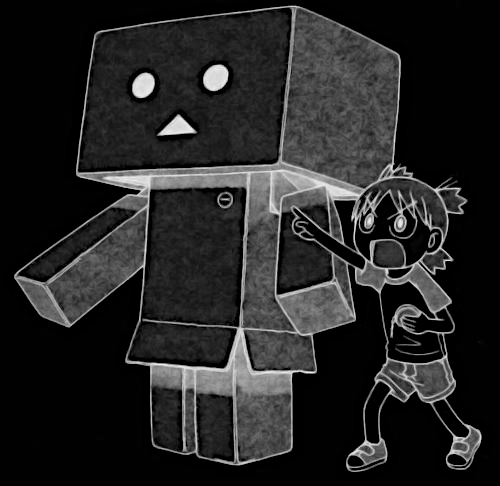
ともちゃんの場合

◁
◂
勉強
◂
◁
第一話
英語
In Tomo's Case
分析
とも
ちゃん
の
場合
とも

名前:智(とも)
苗字:滝野(たきの)
A very energetic student in class 3. Tomo always has energy to spare!
ちゃん
読み方:ちゃん
suffix
familiar
1.
suffix for familiar person
の
読み方:の
particle
1.
indicates possessive
occasionally ん, orig. written 乃 or 之
particle
2.
nominalizes verbs and adjectives
particle
3.
substitutes for "ga" in subordinate phrases
particle
4.
(at sentence-end, falling tone) indicates a confident conclusion
often ん
particle
femanine
5.
(at sentence-end) indicates emotional emphasis
particle
6.
(at sentence-end, rising tone) indicates question
場合
書き方:場合
読み方:ばあい
adverb
noun
1.
case; situation
1コマ
ともの初夢
英語
Tomo's First Dream of the New Year
分析
とも
の
初夢
とも
名前:智(とも)
苗字:滝野(たきの)
A very energetic student in class 3. Tomo always has energy to spare!
の
読み方:の
particle
1.
indicates possessive
occasionally ん, orig. written 乃 or 之
particle
2.
nominalizes verbs and adjectives
particle
3.
substitutes for "ga" in subordinate phrases
particle
4.
(at sentence-end, falling tone) indicates a confident conclusion
often ん
particle
femanine
5.
(at sentence-end) indicates emotional emphasis
particle
6.
(at sentence-end, rising tone) indicates question
初夢
書き方:初夢
読み方:はつゆめ
noun
1.
first dream of the year
2コマ
よみ
すみません
英語
I'm sorry
分析
すみません
すみません
書き方:済みません
読み方:すみません, すいません
expression
interjection
usually-kana
polite
1.
excuse me; pardon me; I'm sorry; I beg your pardon
used both to apologize and to get someone's attention
expression
interjection
usually-kana
polite
2.
thank you

とも
いいっていいって 友達だろ!?
英語
It's fine, it's fine, we're friends aren't we!?
分析
いい
って
いい
って
友達
だろ
!
?
いい
読み方:いい
活用形:non-past
yoi-adjective
1.
good; excellent; fine; nice; pleasant; agreeable
also written 良い, 好い and 善い
yoi-adjective
2.
sufficient; enough; ready; prepared
yoi-adjective
3.
profitable (deal, business offer, etc.); beneficial
yoi-adjective
4.
OK; all right; fine; no problem
as て(も)いい, と(も)いい, etc.; indicates permission or compromise
って
読み方:って, て
particle
1.
you said; he said; she said; they said
casual quoting particle
particle
2.
if ... then
as たって; indicates supposition
particle
3.
do you seriously think that
as かって; indicates a satirical or rhetorical question
particle
4.
I already told you; you should know by now that; of course
indicates certainty, insistence, emphasis, etc.
particle
5.
the said ...; said ...
abbr. of という
particle
6.
says that ...
abbr. of と言っている
particle
7.
I hear that ...
abbr. of と聞いている
particle
8.
as for the term ...
abbr. of とは, というのは
particle
9.
as for ...
equiv. of は topic marker
友達
書き方:友達, 友だち
読み方:ともだち
noun
1.
friend; companion
だろ
読み方:だろう, だろ
expression
1.
seems; I think; I guess; I wonder; I hope
expression
2.
don't you agree?; I thought you'd say that!
3コマ
よみ
お母さーん
英語
Mommy--
分析
お母さーん
お母さーん
書き方:お母さん
読み方:おかあさん
noun
honorific
1.
mother; mom; mum; ma
noun
honorific
2.
wife
ビシ
英語
*whack!*
とも
なんでやねん!
英語
How in the heck!
分析
なんでやねん
!
なんでやねん
読み方:なんでやねん
expression
1.
you must be kidding; you've gotta be joking; what in the heck; what in the hell; no way
4コマ
とも
なんでやねん なんでやねん なんでやねん
英語
How in the heck! How in the heck! How in the heck!
分析
なんでやねん
なんでやねん
なんでやねん
なんでやねん
読み方:なんでやねん
expression
1.
you must be kidding; you've gotta be joking; what in the heck; what in the hell; no way
なんでやねん
読み方:なんでやねん
expression
1.
you must be kidding; you've gotta be joking; what in the heck; what in the hell; no way
なんでやねん
読み方:なんでやねん
expression
1.
you must be kidding; you've gotta be joking; what in the heck; what in the hell; no way
ビシ ビシ ビシ
英語
*whack! whack! whack!*
第二話
高レベル100てん
英語
A Next-Level 100
分析
高レベル
100
てん
高レベル
書き方:高レベル
読み方:こうレベル
noun
no-adjective
1.
high level
100
書き方:100, 百
読み方:ひゃく
numeric
1.
100; hundred
陌 and 佰 are used in legal documents
てん
書き方:点
読み方:てん
noun
1.
dot; spot; point; speck; mark
noun
2.
mark (in an exam, etc.); grade; score; points
noun
3.
point (in a game); score; goal; run
noun
mathematics
4.
point (in geometry)
noun
5.
point; aspect; matter; detail; part; respect; way; viewpoint
noun
6.
(punctuation) mark (e.g. comma, period, decimal point); dot
noun
7.
"dot" stroke (in a Chinese character)
counter
8.
counter for points, marks, goals, etc.
counter
9.
counter for goods, items, articles of clothing, works of art, etc.
1コマ

ちよ
うわーんとっても難しくて0てんでした
英語
Waaaah! It's so hard, I got a 0!
分析
うわーん
とっても
難しくて
0
てん
でした
うわーん
読み方:うわ
1.
yikes; oops; eep; wow; aargh
とっても
読み方:とても
adverb
usually-kana
1.
very; awfully; exceedingly
とっても is more emphatic
adverb
usually-kana
2.
(not) at all; by no means; simply (cannot)
before a negative form
難しくて
書き方:難しい
読み方:むずかしい
活用形:te-form
adjective
1.
difficult; hard; troublesome; complicated; serious (disease, problem, etc.)
adjective
polite
2.
impossible; unfeasible
euphemistic
adjective
3.
fussy; particular; fastidious; hard to please; displeased
adjective
4.
gloomy; glum; sullen; serious (look)
0
書き方:零, 0, 〇
読み方:れい
noun
1.
zero; nought
てん
書き方:点
読み方:てん
noun
1.
dot; spot; point; speck; mark
noun
2.
mark (in an exam, etc.); grade; score; points
noun
3.
point (in a game); score; goal; run
noun
mathematics
4.
point (in geometry)
noun
5.
point; aspect; matter; detail; part; respect; way; viewpoint
noun
6.
(punctuation) mark (e.g. comma, period, decimal point); dot
noun
7.
"dot" stroke (in a Chinese character)
counter
8.
counter for points, marks, goals, etc.
counter
9.
counter for goods, items, articles of clothing, works of art, etc.
でした
読み方:でした
expression
polite
1.
was; were
past tense of polite copula
とも
私は100点だけど私の負けでいいよ
英語
I got a 100, but we can call it my loss!
分析
私
は
100
点
だけど
私
の
負け
で
いい
よ
私
書き方:私
読み方:わたし
pronoun
1.
I; me
slightly formal or feminine
は
読み方:は
particle
1.
topic marker particle
pronounced わ in modern Japanese
particle
2.
indicates contrast with another option (stated or unstated)
particle
3.
adds emphasis
100
書き方:100, 百
読み方:ひゃく
numeric
1.
100; hundred
陌 and 佰 are used in legal documents
点
書き方:点
読み方:てん
noun
1.
dot; spot; point; speck; mark
noun
2.
mark (in an exam, etc.); grade; score; points
noun
3.
point (in a game); score; goal; run
noun
mathematics
4.
point (in geometry)
noun
5.
point; aspect; matter; detail; part; respect; way; viewpoint
noun
6.
(punctuation) mark (e.g. comma, period, decimal point); dot
noun
7.
"dot" stroke (in a Chinese character)
counter
8.
counter for points, marks, goals, etc.
counter
9.
counter for goods, items, articles of clothing, works of art, etc.
だけど
読み方:だけど
conjunction
1.
however
私
書き方:私
読み方:わたし
pronoun
1.
I; me
slightly formal or feminine
の
読み方:の
particle
1.
indicates possessive
occasionally ん, orig. written 乃 or 之
particle
2.
nominalizes verbs and adjectives
particle
3.
substitutes for "ga" in subordinate phrases
particle
4.
(at sentence-end, falling tone) indicates a confident conclusion
often ん
particle
femanine
5.
(at sentence-end) indicates emotional emphasis
particle
6.
(at sentence-end, rising tone) indicates question
負け
書き方:負け
読み方:まけ
noun
1.
defeat; loss; losing (a game)
suffix
2.
failing to live up to (one's name, looks, etc.)
noun
3.
discount; loss (on a sale)
で
読み方:で, にて
particle
1.
at; in
indicates location of action; にて is the formal literary form
particle
2.
at; when
indicates time of action
particle
3.
by; with
indicates means of action
conjunction
4.
and then; so
auxiliary
5.
and; then
indicates continuing action; alternative form of 〜て used for some verb types
particle
kansai
6.
let me tell you; don't you know
at sentence-end; indicates certainty, emphasis, etc.
いい
読み方:いい
活用形:non-past
yoi-adjective
1.
good; excellent; fine; nice; pleasant; agreeable
also written 良い, 好い and 善い
yoi-adjective
2.
sufficient; enough; ready; prepared
yoi-adjective
3.
profitable (deal, business offer, etc.); beneficial
yoi-adjective
4.
OK; all right; fine; no problem
as て(も)いい, と(も)いい, etc.; indicates permission or compromise
よ
読み方:よ
particle
1.
hey; you
at sentence-end; indicates certainty, emphasis, contempt, request, etc.
particle
2.
hey
after a noun; used when calling out to someone
particle
3.
hey; hold on
in mid-sentence; used to catch one's breath or get someone's attention
interjection
4.
yo; hey
2コマ
ちよ
ともちゃんはやさしいですねー
英語
Tomo, you're so kind!
分析
とも
ちゃん
は
やさしい
です
ねー
とも
名前:智(とも)
苗字:滝野(たきの)
A very energetic student in class 3. Tomo always has energy to spare!
ちゃん
読み方:ちゃん
suffix
familiar
1.
suffix for familiar person
は
読み方:は
particle
1.
topic marker particle
pronounced わ in modern Japanese
particle
2.
indicates contrast with another option (stated or unstated)
particle
3.
adds emphasis
やさしい
書き方:優しい
読み方:やさしい
活用形:non-past
adjective
1.
tender; kind; gentle; graceful; affectionate; amiable
です
読み方:です
expression
polite
1.
be; is
polite copula
ねー
読み方:ね
particle
1.
right?; isn't it?; doesn't it?; don't you?; don't you think?
at sentence end; used as a request for confirmation or agreement
interjection
2.
hey; say; listen; look; come on
particle
3.
you know; you see; I must say; I should think
at sentence end; used to express one's thoughts or feelings
particle
4.
will you?; please
at sentence end; used to make an informal request
particle
5.
so, ...; well, ...; you see, ...; you understand?
at the end of a non-final clause; used to draw the listener's attention to something
particle
6.
I'm not sure if ...; I have my doubts about whether ...
at sentence end after the question marker か
とも
そんなことないって
英語
That's not true
分析
そんな
こと
ない
って
そんな
読み方:そんな
prenoun-adjectival
1.
such; that sort of; that kind of; like that
about the actions of the listener, or about ideas expressed or understood by the listener
interjection
colloquialism
2.
no way!; never!
こと
書き方:事
読み方:こと
noun
usually-kana
1.
thing; matter
noun
usually-kana
2.
incident; occurrence; event; something serious; trouble; crisis
noun
usually-kana
3.
circumstances; situation; state of affairs
noun
usually-kana
4.
work; business; affair
noun
usually-kana
5.
after an inflectable word, creates a noun phrase indicating something the speaker does not feel close to
noun-suffix
usually-kana
6.
nominalizing suffix
noun-suffix
usually-kana
7.
pretending to ...; playing make-believe ...
noun
usually-kana
8.
alias; also known as; otherwise known as; or
as AことB (A = alias, B = real name)
noun
usually-kana
9.
necessity; need
as 〜ことはない
noun
usually-kana
10.
you should ...; I advise that you ...; it's important to ...
as 〜ことだ
ない
書き方:無い
読み方:ない
活用形:non-past
adjective
usually-kana
1.
nonexistent; not being (there)
adjective
2.
unowned; not had; unpossessed
adjective
3.
unique
adjective
4.
not; impossible; won't happen
as ...ことがない, etc.; indicates negation, inexperience, unnecessariness or impossibility
auxiliary-adjective
5.
not
after the ren'youkei form of an adjective
auxiliary-adjective
6.
to not be; to have not
after the -te form of a verb
って
読み方:って, て
particle
1.
you said; he said; she said; they said
casual quoting particle
particle
2.
if ... then
as たって; indicates supposition
particle
3.
do you seriously think that
as かって; indicates a satirical or rhetorical question
particle
4.
I already told you; you should know by now that; of course
indicates certainty, insistence, emphasis, etc.
particle
5.
the said ...; said ...
abbr. of という
particle
6.
says that ...
abbr. of と言っている
particle
7.
I hear that ...
abbr. of と聞いている
particle
8.
as for the term ...
abbr. of とは, というのは
particle
9.
as for ...
equiv. of は topic marker
3コマ
とも
ほらよく見てごらん
英語
Here, please take a good look
分析
ほら
よく
見て
ごらん
ほら
読み方:ほら
interjection
1.
look!; look out!; hey!; look at me!; there you are!
よく
書き方:良く, 能く
読み方:よく
adverb
usually-kana
1.
nicely; properly; well; skillfully; skilfully
adverb
usually-kana
2.
frequently; often
adverb
usually-kana
3.
I'm glad that you ...; thank you for ...
adverb
usually-kana
4.
(you have) quite the nerve to; I don't know how you can ...
見て
書き方:見る, 観る, 視る
読み方:みる
活用形:te-form
ichidan-verb
transitive-verb
1.
to see; to look; to watch; to view; to observe
ichidan-verb
transitive-verb
2.
to examine; to look over; to assess; to check; to judge
ichidan-verb
transitive-verb
3.
to look after; to attend to; to take care of; to keep an eye on
ichidan-verb
transitive-verb
4.
to experience; to meet with (misfortune, success, etc.)
auxiliary-verb
ichidan-verb
usually-kana
5.
to try ...; to have a go at ...; to give ... a try
after the -te form of a verb
auxiliary-verb
ichidan-verb
usually-kana
6.
to see (that) ...; to find (that) ...
as 〜てみると, 〜てみたら, 〜てみれば, etc.
ごらん
書き方:ご覧
読み方:ごらん
interjection
abbreviation
usually-kana
1.
(please) try to
after the -te form of a verb
interjection
abbreviation
usually-kana
2.
(please) look
noun
honorific
3.
seeing; looking; watching
4コマ
ちよ
あ!100てんの中に100てんが!
英語
Ah! There's 100 points *inside* the 100 points!
分析
あ
!
100
てん
の
中
に
100
てん
が
!
あ
読み方:あっ, アッ, あ, ア
interjection
1.
ah; oh
expression of surprise, recollection, etc.
interjection
2.
hey!
used to get someone's attention
100
書き方:100, 百
読み方:ひゃく
numeric
1.
100; hundred
陌 and 佰 are used in legal documents
てん
書き方:点
読み方:てん
noun
1.
dot; spot; point; speck; mark
noun
2.
mark (in an exam, etc.); grade; score; points
noun
3.
point (in a game); score; goal; run
noun
mathematics
4.
point (in geometry)
noun
5.
point; aspect; matter; detail; part; respect; way; viewpoint
noun
6.
(punctuation) mark (e.g. comma, period, decimal point); dot
noun
7.
"dot" stroke (in a Chinese character)
counter
8.
counter for points, marks, goals, etc.
counter
9.
counter for goods, items, articles of clothing, works of art, etc.
の
読み方:の
particle
1.
indicates possessive
occasionally ん, orig. written 乃 or 之
particle
2.
nominalizes verbs and adjectives
particle
3.
substitutes for "ga" in subordinate phrases
particle
4.
(at sentence-end, falling tone) indicates a confident conclusion
often ん
particle
femanine
5.
(at sentence-end) indicates emotional emphasis
particle
6.
(at sentence-end, rising tone) indicates question
中
書き方:仲
読み方:なか
noun
1.
relation; relationship
に
読み方:に
particle
1.
at (place, time); in; on; during
particle
2.
to (direction, state); toward; into
particle
3.
for (purpose)
particle
4.
because of (reason); for; with
particle
5.
by; from
particle
6.
as (i.e. in the role of)
particle
7.
per; in; for; a (e.g. "once a month")
particle
8.
and; in addition to
100
書き方:100, 百
読み方:ひゃく
numeric
1.
100; hundred
陌 and 佰 are used in legal documents
てん
書き方:点
読み方:てん
noun
1.
dot; spot; point; speck; mark
noun
2.
mark (in an exam, etc.); grade; score; points
noun
3.
point (in a game); score; goal; run
noun
mathematics
4.
point (in geometry)
noun
5.
point; aspect; matter; detail; part; respect; way; viewpoint
noun
6.
(punctuation) mark (e.g. comma, period, decimal point); dot
noun
7.
"dot" stroke (in a Chinese character)
counter
8.
counter for points, marks, goals, etc.
counter
9.
counter for goods, items, articles of clothing, works of art, etc.
が
読み方:が
particle
1.
indicates sentence subject (occasionally object)
particle
2.
indicates possessive (esp. in literary expressions)
conjunction
3.
but; however; still; and
conjunction
4.
regardless of; whether (or not)
after the volitional form of a verb
すごすぎです!
英語
You're way too amazing!
分析
すご
すぎ
です
!
すご
書き方:凄い
読み方:すごい, スゴイ
活用形:stem
adjective
usually-kana
1.
terrible; dreadful
adjective
usually-kana
2.
amazing (e.g. of strength); great (e.g. of skills); wonderful; terrific
adjective
usually-kana
3.
to a great extent; vast (in numbers)
adverb
usually-kana
colloquialism
4.
awfully; very; immensely
すぎ
書き方:過ぎる
読み方:すぎる
活用形:stem-form
ichidan-verb
intransitive-verb
1.
to pass through; to pass by; to go beyond
ichidan-verb
intransitive-verb
2.
to pass (of time); to elapse
ichidan-verb
intransitive-verb
3.
to have expired; to have ended; to be over
ichidan-verb
intransitive-verb
4.
to exceed; to surpass; to be above
ichidan-verb
intransitive-verb
5.
to be no more than ...
as 〜に過ぎない, etc.
ichidan-verb
intransitive-verb
suffix
usually-kana
6.
to be excessive; to be too much; to be too ...
often used after adj. stems or the -masu stems of verbs
です
読み方:です
expression
polite
1.
be; is
polite copula
とも
そんなことないって
英語
That's not true
分析
そんな
こと
ない
って
そんな
読み方:そんな
prenoun-adjectival
1.
such; that sort of; that kind of; like that
about the actions of the listener, or about ideas expressed or understood by the listener
interjection
colloquialism
2.
no way!; never!
こと
書き方:事
読み方:こと
noun
usually-kana
1.
thing; matter
noun
usually-kana
2.
incident; occurrence; event; something serious; trouble; crisis
noun
usually-kana
3.
circumstances; situation; state of affairs
noun
usually-kana
4.
work; business; affair
noun
usually-kana
5.
after an inflectable word, creates a noun phrase indicating something the speaker does not feel close to
noun-suffix
usually-kana
6.
nominalizing suffix
noun-suffix
usually-kana
7.
pretending to ...; playing make-believe ...
noun
usually-kana
8.
alias; also known as; otherwise known as; or
as AことB (A = alias, B = real name)
noun
usually-kana
9.
necessity; need
as 〜ことはない
noun
usually-kana
10.
you should ...; I advise that you ...; it's important to ...
as 〜ことだ
ない
書き方:無い
読み方:ない
活用形:non-past
adjective
usually-kana
1.
nonexistent; not being (there)
adjective
2.
unowned; not had; unpossessed
adjective
3.
unique
adjective
4.
not; impossible; won't happen
as ...ことがない, etc.; indicates negation, inexperience, unnecessariness or impossibility
auxiliary-adjective
5.
not
after the ren'youkei form of an adjective
auxiliary-adjective
6.
to not be; to have not
after the -te form of a verb
って
読み方:って, て
particle
1.
you said; he said; she said; they said
casual quoting particle
particle
2.
if ... then
as たって; indicates supposition
particle
3.
do you seriously think that
as かって; indicates a satirical or rhetorical question
particle
4.
I already told you; you should know by now that; of course
indicates certainty, insistence, emphasis, etc.
particle
5.
the said ...; said ...
abbr. of という
particle
6.
says that ...
abbr. of と言っている
particle
7.
I hear that ...
abbr. of と聞いている
particle
8.
as for the term ...
abbr. of とは, というのは
particle
9.
as for ...
equiv. of は topic marker
Having trouble with the vocabulary?
Download the Azumanga Daioh Anki Deck!
It covers the posted translations, and is updated each time a new one is posted!
Download the Azumanga Daioh Anki Deck!
It covers the posted translations, and is updated each time a new one is posted!